
Alona Beach Bohol – Best Diving, Hotels & Travel Guide 2026
Discover Alona Beach’s top dive shops, white-sand beaches, island hopping to Balicasag & resorts for every budget. Complete Panglao Island, Bohol guide.
What Is Alona Beach?
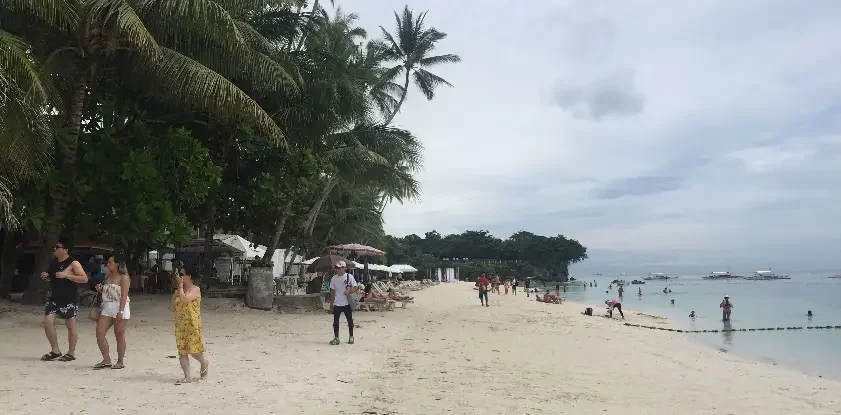
Alona Beach is the crown jewel of Panglao Island and one of Bohol’s most reliable beach destinations. It sits on the southwestern tip of Panglao, in Tawala barangay, where a curved stretch of coral white sand sweeps for one and a half kilometers. The sand is smooth underfoot, nothing sharp, nothing coarse — just soft as flour. Coconut palms lean toward the water here, their trunks tilted by trade winds, and rocky cliffs rise at both ends like bookends.
This isn’t a hidden gem anymore. About thirty resorts and fifteen dive shops crowd the beachfront, from budget hostels to upscale villas. But despite the development, Alona feels manageable. It’s not the madness of Boracay. The pace is steady. You can rent a beach chair at dawn without fighting for space. The water stays clear and swimmable year-round. If you’re after diving, island hopping, or just a quiet afternoon with your toes in the sand and a cold beer in your hand, this is it.
Alona is part of the Panglao Island travel guide, which itself sits about 50 kilometers south of Tagbilaran, the capital of Bohol. Two bridges connect Panglao to mainland Bohol, making it accessible without leaving the province. And here’s something worth knowing: Panglao alone has more marine biodiversity than Japan and the Mediterranean Sea combined. That isn’t just beach talk. That statistic shapes everything here — the diving, the snorkeling, the whole reason you want to come. According to the Philippine Department of Tourism, Bohol and Panglao consistently rank among the Philippines’ top-priority eco-tourism destinations.
“The dive shop staff were patient, knowledgeable, and made me feel safe during my first open-water dives. The corals around Balicasag were better than anything I’ve seen in the Caribbean. Alona is the real deal.” — Marcus D., Melbourne ⭐⭐⭐⭐⭐
Where to Stay on Alona Beach
The range of accommodation is wide, which is good. You’re not locked into one tier.
Budget hostels and guesthouses line the beach and the road behind it. Expect dorm beds or basic fan rooms for ₱500–1,200 per night. These places are social. You’ll meet other backpackers over breakfast, swap dive stories, and end up on group tours. They’re close to dive shops and the cheaper seafood grills.
Mid-range hotels (₱1,500–4,500 per night) offer air-con rooms, private bathrooms, and often a small pool or garden. Many have oceanfront locations but set back fifty meters from the sand to keep costs reasonable. These hotels are popular with families and couples. Breakfast is usually included. Staff speak English.
Boutique and upscale resorts (₱4,000–10,000+) occupy prime beachfront. They offer swimming pools, restaurant service, air-con with hot water, and sometimes a beach bar. A few have dive centers on-site, which saves you walking time. The views of the sunset are unobstructed.
Browse the full list of Alona Beach hotel options for current reviews and pricing across all tiers. The best time to book is three to four weeks ahead if you’re traveling in shoulder seasons (May–June, September–October). High season (December–February) books up faster. Budget travelers benefit from the flexibility of walk-ins; hostels rarely turn away same-day arrivals.
All types of accommodation sit within a five-minute walk of the beach and main road where the dive shops cluster. There’s no “bad location” on Alona.
Diving and Water Sports at Alona Beach
Alona is built on diving. The reason the beach has so many resorts and dive shops is that the water here is alive.
Snorkeling from shore is free and immediate. One hundred meters toward the deep, you’ll find the edge of the house reef. Three to five meters down, without any equipment other than a mask and fins, you’ll see corals and fish. The water is clear enough that color doesn’t fade with depth. If you visit from September to May, visibility can exceed fifteen meters.
One caution: watch for sea urchins along the reef. The local remedy — which you may read and think is a joke, but it works — is urination on the spines. This breaks down the proteins. Do it immediately if you step on one. It prevents infection.
Dive shops and training are everywhere. Around fifteen shops operate on Alona alone, ranging from one-person operations to larger centers with multiple boats. Most offer PADI certification courses (Open Water, Advanced, Rescue), guided dives to nearby sites, and equipment rental. A single dive costs ₱1,500–2,500 depending on location and boat. A four-day Open Water certification runs ₱8,000–12,000. Ask your resort for referrals or walk the beach and chat with shop owners. They want your business and will answer questions.
Balicasag Island is the premium dive site. It sits 6.5 kilometers southwest of Panglao and takes about twenty minutes by boat. The island itself is tiny — 25 hectares — but it’s surrounded by the Balicasag Island Marine Sanctuary, a 400-meter protected marine area managed by the DENR’s Protected Areas and Wildlife Bureau, with healthy hard and soft corals. You’ll dive vertical walls. There’s a site called Cathedral Wall that requires a torch because the wall undercuts and creates shadow. For shallower diving, the Black Coral Forest grows in 30-meter waters. Balicasag is where advanced divers go and where beginners get their first taste of what “tropical diving” means. Book a Balicasag Island snorkeling tour in advance during peak season — boats fill fast.
The snorkeling trip to Balicasag is also popular. You’ll see similar corals and fish from the surface, though you miss the vertical dimension.
Day trips to nearby Pamilacan Island and Virgin Island are organized by most dive shops. Pamilacan offers dolphin watching tours in Bohol in the early morning (though sightings are never guaranteed). Virgin Island is a sandbar that appears and disappears with the tide — great for a half-day swim and a packed lunch.
Kayaking along the coast is quieter. You paddle past cliff faces, poke into small coves, and can beach yourself on isolated sand patches. Rentals run ₱300–500 per hour. The Panglao Island travel guide covers other water sports if you want to venture beyond Alona.
“We booked a small resort with direct beach access and spent five days just swimming, eating grilled fish, and reading. Our daughter learned to snorkel here. It felt like a quiet family secret.” — Elena R., Manila ⭐⭐⭐⭐⭐
Restaurants and Nightlife
Food at Alona centers on seafood and sunset. That’s not an accident.
The beach itself transforms at dusk. Almost all resorts with restaurants set up grills by the sand — whole fish, prawns, squid, always fresh. The beach side becomes a grilling station. You walk up, point to what looks good, choose your sauce (usually garlic, soy, lemon butter), and they cook it in front of you. Plates go for ₱250–800. A meal with rice, soup, and a beer stays under ₱1,000.
The morning sun on the shimmering water is beautiful to behold. Afternoons are shaded because the sun sets on the other side of the island, away from Alona. But the sunset views make up for the afternoon shade — the sky goes coral and gold, and the palm trees darken like silhouettes.
For sit-down dining, restaurants on the main road and beachfront offer grilled fish, seafood pasta, adobo (a savory stew of meat braised in vinegar), and fresh fruit shakes. Most menus are tourist-friendly — English labeling, familiar cooking styles — but you can ask for local specialties. Boholano food leans on coconut, vinegar, and seafood. Try dinuguan (blood stew), kinilaw (raw fish cured in vinegar), and bibingka (rice cake).
Nightlife is minimal. Compared to Boracay, Alona is quite tame. The place is peaceful. Only the Oops! Bar offers live music or discos on the weekends. Most other venues are low-key — beachfront bars with reggae or acoustic sets, pool tables, and conversation. People tend to drink, eat, and sleep early.
If you’re looking for high-energy nightlife, this isn’t the place. If you want a beer and a sunset without the noise, it is.
“The sunset grill setups are worth the trip alone. Fresh grilled squid, cold beer, palm trees, and no crowds. We drank and laughed until it got dark and the stars came out. Best evening I’ve had in years.” — David T., Sydney ⭐⭐⭐⭐
Island Hopping and Activities
Beyond the main beach, several boat trips are worth your time.
Balicasag Island (covered above under diving) is the most popular. Even non-divers visit for snorkeling or simply for the boat ride and a meal on the island.
Pamilacan Island lies north of Balicasag. Local fishermen operate boat tours that depart before sunrise to spot dolphins feeding in the channel. Sightings are more common during the dry season. The island itself has a small visitor center and a white-sand beach. Book dolphin watching tours in Bohol through your resort or dive shop.
Virgin Island is a sandbar that builds up during calm seasons and shrinks with rough seas. You typically island-hop here on a half-day tour: boat ride, snorkeling, then a picnic lunch on the bar while the tide slowly covers it. It’s playful and photogenic.
Use the island-hopping guide for Bohol to compare routes, operators, and seasonal timing across all of Panglao’s best boat trip destinations.
Countryside and culture tours can be arranged through Bohol tours operators. These usually depart in the morning, visit the Chocolate Hills or local villages, and return by late afternoon. Most resorts at Alona can book these for you, or you can contact tour operators directly in Tagbilaran.
Kayaking is available as mentioned. A few shops rent kayaks for half-day paddles along the coast.
Most island-hopping tours run ₱800–1,500 per person (shared boat). Private boat rental costs ₱3,000–6,000 per day depending on size and fuel.
How to Get to Alona Beach
From Panglao Airport (TAG): The airport is on Panglao Island itself, about 8–10 kilometers north of Alona Beach. A tricycle (a motorized three-wheeled taxi) costs ₱250–400 for the thirty-minute ride. A private van transfer through your resort costs ₱1,000–1,500. Some resorts include airport transfer with the room rate.
From Cebu City: You have two options.
First, fly. Cebu City has Mactan International Airport (CEB), which has more flights than Tagbilaran. From CEB, fly to Panglao Airport (TAG), then tricycle to Alona.
Second, ferry. A ferry from Cebu City to Tagbilaran takes about two hours. Ferries run multiple times daily. Cost is ₱150–250. From Tagbilaran Port, take a tricycle to Dao terminal (₱15, five minutes), then a van to Panglao (₱50–70, thirty minutes), then a tricycle to Alona (₱20–30, ten minutes). Total travel time from Tagbilaran Port is about one hour. See the Cebu to Bohol ferry guide for ferry schedules and operators.
From Tagbilaran City: If you’re exploring the Bohol travel guide first, Tagbilaran is the main entry point. To Alona from the city: tricycle to Dao terminal, van to Panglao (often waiting in Panglao town), tricycle to Alona. Total distance is about 50 kilometers, taking one to one and a half hours depending on traffic and van wait times. Cost is under ₱150 total.
By private car or hired driver: Some travelers book a van or car with driver from the airport or port for a fixed rate. This costs more (₱2,000–3,500) but saves negotiation and gives you flexibility to stop en route.
Alona is not remote. You’re never more than ninety minutes from Tagbilaran.
Practical Tips for Visiting Alona Beach
Best time to visit: November through May is high season and dry. The sea is calmest, visibility is clearest, and the air is cool. June to October is the rainy season — but rain is usually short bursts, not all-day downpours. Typhoons are rare on Panglao. If you visit June to October, accommodation and boat tours are cheaper, and there are fewer people.
What to pack:
- Sunscreen (SPF 50+). The sun is intense. Local pharmacies carry it, but it’s pricey.
- Reef-safe sunscreen if you plan to snorkel. Regular sunscreen harms coral.
- Rash guard or wetsuit for water sports. The sun bounces off the water.
- Light, loose clothing. Cotton dries fast. Locals wear loose shirts and pants in the sun, not tank tops and shorts.
- Closed-toe water shoes. Coral and rocks can cut.
- Hat or visor.
- Medications for traveler’s stomach (activated charcoal, imodium). Medical facilities are available but basic.
Safety: Alona is safer than most beach destinations. Petty theft happens — lock your valuables in a room safe or locker, don’t leave phones unattended on the beach. Violent crime is rare. Swimming safety is the bigger risk: ask your resort or dive shop about conditions before entering the water. Rip currents are possible.
Crowds: Alona gets busy during Philippine holidays (January, April, June, November–December). If you dislike crowds, travel in February, March, May, or July–August. Early mornings are always quieter than afternoons.
Money: Most resorts, dive shops, and restaurants take cash (Philippine peso, ₱) and credit cards. Smaller warungs (eateries) are cash-only. ATMs are available at Panglao town (a tricycle ride away) and some resorts. Exchange rates are better in Tagbilaran.
Language: English is widely spoken at resorts, dive shops, and tourist restaurants. Tagalog and Cebuano (the local language) are the daily tongues. A few phrases go a long way: “Salamat” (thank you), “Magkano?” (how much?), “Masarap” (delicious).
Mobile and internet: All major Philippine networks (Globe, Smart) have coverage. Data is cheap (₱300 per month for unlimited data). Wi-Fi is available at all resorts and most restaurants.
The night sky at Alona is stunning. Light pollution is low. If you’re away from the main beach grills, the Milky Way is visible. Bring a camera if you like astrophotography.
Is Alona Beach Worth It?
Whether Alona is worth the trip depends on what you want.
If you’re a diver, yes. The ease of access to good dive sites, the variety of shops, and the clarity of the water make it a no-brainer. You’ll dive Balicasag, you’ll see healthy reefs, and you’ll understand why people come back.
If you’re a beach lounger, yes — but with a caveat. You’ll get a beautiful, manageable beach with good food and a mellow vibe. You won’t get the party scene of Boracay or the tourist infrastructure of Palawan. You’ll get peace and reliable sunshine.
If you’re exploring Bohol, yes. Alona connects you to Panglao Island and is a base for countryside tours to the Chocolate Hills, Loboc River, and other sites. You can day-trip inland and return to the beach at sunset.
If you want nightlife and shopping, maybe not. The amenities are functional, not exciting.
The cost is moderate. A day at Alona (accommodation, meals, activities) runs ₱2,500–5,000 per person depending on your standards. That’s not cheap by Philippine standards, but it’s accessible.
Most visitors stay three to four nights. It’s enough time to adjust, do one or two dives, eat well, and leave without feeling rushed. Families with young kids should plan two days minimum just to relax in shallow water and let the kids play in the sand.
Alona rewards time. The longer you sit, the more you notice — the way the light changes the sand color through the day, the specific fish that appear at the reef edge each morning, the constellations overhead on a clear night. It’s not a place you check off a list. It’s a place you settle into.
“We came for the diving and stayed for the peace. Alona delivered on everything we hoped for. Next time we’re bringing our extended family.” — Sarah M., Toronto ⭐⭐⭐⭐⭐
Frequently Asked Questions — Alona Beach, Bohol
What is Alona Beach famous for?
Alona Beach is famous for diving, snorkeling, and white-sand beauty. The house reef is just a hundred meters from shore, and Balicasag Island — one of the Philippines’ top dive sites — is a twenty-minute boat ride away. Beyond the water, Alona is known for its relaxed atmosphere: beachfront grilling at sunset, affordable resorts across all budgets, and easy access to Panglao Island’s broader attractions. It’s the anchor destination for anyone planning a beach stay in Bohol.
Is Alona Beach good for swimming?
Yes. The water is warm (27–29°C year-round), generally calm, and clear enough to see the reef below. The beach slopes gently into the sea, making it safe for families and non-swimmers. A couple of things to keep in mind: rip currents can form after heavy rain, so check conditions with your resort before entering; sea urchins live along the reef edge about a hundred meters out. Closed-toe water shoes help if you’re wading near rocks.
What’s the best time to visit Alona Beach?
November through May is dry season — the sea is calmest, visibility is best, and the air is cool and fresh. December through February is peak season, so book ahead. June to October is the rainy season, but rain usually comes in short afternoon bursts rather than all-day downpours. Traveling in shoulder months (May–June or September–October) gives you better accommodation rates, smaller crowds, and still-good weather. Alona is worth visiting year-round.
How do I get to Alona Beach from the airport?
From Panglao Airport (TAG), a tricycle to Alona costs ₱250–400 and takes about thirty minutes. A resort van transfer runs ₱1,000–1,500. If you’re flying into Cebu (Mactan Airport), either connect by flight to Panglao or take a ferry from Cebu City to Tagbilaran, then a van to Panglao and a tricycle to Alona — total travel time around ninety minutes from the port. Budget around ₱150 total for the public transit route from Tagbilaran.
What are the best dive shops on Alona Beach?
Around fifteen dive shops operate along the beach, most PADI-certified and offering guided dives, Open Water certification courses, and equipment rental. Prices are competitive — a single dive runs ₱1,500–2,500; a four-day Open Water course costs ₱8,000–12,000. Rather than naming specific shops (they change year to year), ask your resort for referrals or walk the beach and chat directly with shop owners. Larger shops suit groups; smaller ones offer more personalized service. Check posted credentials and recent reviews before booking.
Is Alona Beach safe for tourists?
Yes — Alona has a good safety record. Violent crime is rare. Petty theft (phones and wallets left unattended on the beach) does happen, so use your room safe and keep valuables out of sight. Water safety is the bigger concern: always ask your resort or dive shop about current sea conditions before swimming or snorkeling. Medical facilities on Panglao are basic; serious emergencies go to Tagbilaran. Overall, Alona is safe and comparable to other popular Philippine beach destinations.
How much does accommodation cost on Alona Beach?
Budget dorm beds and basic guesthouses start at ₱500–1,200 per night. Mid-range air-con rooms with pools run ₱1,500–4,500. Boutique and beachfront resorts go from ₱4,000 to ₱10,000+. Prices peak in December–February and during Philippine holidays; they drop in the rainy months (June–October). For the best options across all budgets, see our Bohol hotels guide — it covers everything from Alona Beach hostels to luxury Panglao resorts. Book three to four weeks ahead for shoulder season, earlier for peak.
What are the best restaurants on Alona Beach?
At sunset, most resorts and beach restaurants fire up grills right on the sand — fresh fish, prawns, and squid cooked to order for ₱250–800 a plate. Sit-down spots along the main road serve grilled seafood, Boholano classics like adobo and kinilaw (raw fish cured in vinegar), and tourist-friendly pasta and rice dishes. Small local warungs (eateries) behind the beach are the cheapest option for an authentic Boholano meal. Most venues are casual and cash-friendly. Arrive early for sunset seats.
Can I do a day trip from Tagbilaran to Alona Beach?
Technically yes, but it’s a stretch. Tagbilaran to Alona takes about an hour to ninety minutes by van and tricycle. A day trip leaves you roughly three to four hours at the beach before you need to head back. That works for a swim and a meal — not for diving or proper relaxation. An overnight stay (ideally two nights) is the better call. If you’re exploring Bohol, Alona pairs well with a countryside day tour to the Chocolate Hills and Loboc.
What’s the difference between Alona Beach and Dumaluan Beach?
Alona is the busier, more developed beach on the southwestern tip of Panglao — dive shops, resorts, beach bars, and a steady flow of tourists. Dumaluan is on the eastern side of Panglao, quieter, wider, and better for families who want space without the crowd. If you want the full diving and social scene, choose Alona. If you want a wider, more peaceful beach with fewer vendors, Dumaluan is the better pick. Both are on Panglao Island and about twenty minutes apart by tricycle.
Is Alona Beach suitable for beginners who want to learn to dive?
Absolutely. Alona is one of the best places in the Philippines to take your first dive course. The conditions are forgiving — warm water, decent visibility year-round, and calm seas during dry season. Multiple PADI-certified shops offer beginner-friendly Open Water certification courses over four days at ₱8,000–12,000. The instructors are used to first-timers and patient with nervous students. After certification, you can dive Balicasag Island’s protected walls and the marine sanctuary — sites that reward beginners and experienced divers alike.
Is there nightlife on Alona Beach?
Nightlife at Alona is mellow, not wild. The main venue is Oops! Bar, which runs live music or a weekend disco. Other bars along the beach serve cold drinks in a low-key setting — reggae music, pool tables, good conversation. Most people dine early, drink a little, and call it a night by ten or eleven. Compared to Boracay or Manila, Alona is peaceful. If you want a quiet evening with a sunset beer and stars overhead, you’re in the right place. If you need a nightclub, this isn’t it.
Have more questions about travelling to Bohol? Visit our complete Bohol FAQ for answers to the most common questions travellers ask.
Internal Cross-Links for Exploration
Once you’ve explored Alona, consider venturing further:
- Panglao Island travel guide — the broader island experience beyond Alona.
- Bohol travel guide — the full province and how to plan a multi-day trip.
- Bohol hotels guide — accommodation across the region.
- Chocolate Hills guide — Bohol’s most famous inland landmark.
- Loboc travel guide — a quiet riverside town an hour from Alona.
- Best Bohol countryside tours on GetYourGuide — day tours from the coast.
- Cebu and Bohol tour packages — multi-destination day tours.
- Cebu hotels guide — if you’re combining provinces.
- Things to do in Bohol — a comprehensive activity guide.
- Cebu to Bohol ferry guide — detailed ferry logistics.