
Travel Essentials
Bohol & Cebu Travel Essentials: Everything Before You Land
You’ve booked flights to the Philippines. Now what? Between figuring out how to get a working SIM card before you even clear customs, deciding which ferry gets you to Bohol fastest, and wondering whether Panglao or Tagbilaran makes a better base — the planning phase gets complicated fast.
This guide to Bohol and Cebu travel essentials cuts through the noise. We’ve organized everything in the order you’ll actually need it: connectivity first so you can navigate from minute one, then how to get to Bohol, then how to move around once you’re there. The rest covers weather, packing, budget, safety, and all the practical stuff most guides bury at the bottom.
“I landed in Cebu with no SIM, no offline maps, and a ferry to catch in three hours. Never again. Sort your connectivity at the airport first — everything else depends on it.”
— Brian, Solo traveler from Australia ⭐⭐⭐⭐⭐
🔗 Book your Bohol countryside tour now — confirm before you fly
🔗 Private Bohol day tour with free cancellation — lock in your dates
Step 1: Get Connected — eSIM and SIM Cards for Bohol and Cebu
Sort your mobile data before anything else. Without connectivity, you can’t navigate to the ferry pier, call your guesthouse, or book a last-minute tricycle on Grab. This is genuinely the first thing to handle on arrival.
eSIM: The Cleanest Option for Most Travelers
If your phone is eSIM-compatible (most flagship phones from 2020 onward are), buying an eSIM before you fly is the most convenient option. You activate it remotely, land in Manila or Cebu, and you’re online from the moment you clear immigration — no queuing at the SIM kiosk, no swapping physical cards.
Globe eSIM is the most widely available option for Philippines travel and works well across Cebu, Tagbilaran, and the core Bohol tourist corridor. Standard tourist data packages run ₱299–₱499 for 7–30 days with 10–30 GB of data. Purchase and activate through the Globe app or through Airalo, which carries Philippines eSIM plans at competitive rates.
🔗 Buy your Philippines eSIM on Airalo — activate before landing and skip the airport queue entirely
Smart eSIM performs slightly better in interior Bohol municipalities — around Bilar, Batuan, and Carmen near the Chocolate Hills — where Globe signal can dip. If you’re routing deep into the countryside or heading to eastern Bohol (Anda, Candijay), Smart coverage holds more consistently.
🔗 Get your Smart Philippines 5G eSIM on Klook — best coverage for interior Bohol
For most travelers sticking to Panglao Island, Tagbilaran City, and the main countryside loop, Globe and Smart are functionally equivalent.
Physical SIM Cards
If your phone doesn’t support eSIM, physical tourist SIMs are available at both arrival halls of Mactan-Cebu International Airport and at Panglao International Airport. You’ll also find them at 7-Eleven stores and telecom kiosks in Tagbilaran.
Price and data allowances are similar to eSIM plans — ₱299–₱399 for a week of solid data. Bring your passport; SIM registration is mandatory in the Philippines.
Coverage Gaps to Know Before You Go
No network covers all of Bohol reliably. Download offline maps via Google Maps or Maps.me — and check our list of best travel apps for the Philippines — before leaving your resort:
- Anda and eastern Bohol — Anda’s cave pools, cliffside resorts, and coastal roads have spotty signal from both networks
- Alicia Panoramic Park — the highlands where the Sea of Clouds occurs are largely offline
- Loboc interior trails — the main Loboc river town is fine; side trails into the hills drop signal fast
- Open water on ferry crossings — expect 30–45 minutes of poor signal mid-crossing
For broader trip prep, our Bohol travel planning tips cover what to sort in advance.
Step 2: Getting to Bohol by Ferry
The most common route into Bohol is the fast ferry from Cebu City to Tagbilaran — roughly 72 km across the Bohol Strait, taking about 2 hours on modern fast craft. Multiple operators run this crossing daily.
The Main Operators: Cebu City to Tagbilaran
See our full Bohol ferry guide for current schedules and route comparisons across all operators.
OceanJet is the most popular fast craft operator, with up to 18 daily departures on the Cebu-Bohol route and a fleet of 17 vessels since 1995. Read our full OceanJet guide for current schedules and class options.
SuperCat runs up to 10 daily departures with a consistent 4.4-star rating from over 300 verified reviews. Three comfort classes cover every budget. Full SuperCat guide here.
FastCat operates modern vessels with strong ratings and reliable schedules — a solid option when OceanJet and SuperCat slots are full during peak season. Full FastCat guide here.
Lite Shipping is the only operator offering bed-style accommodations on Cebu-Bohol connections — useful if you want to sleep through the crossing or are connecting from a longer overnight route. Full Lite Shipping guide here.
Key Ferry Booking Tips
- Book online through 12Go to skip the physical Pier 1 queue — this matters on long weekends and holidays when walk-up tickets are gone by 9 AM
🔗 Book your Cebu–Bohol ferry on 12Go — skip the Pier 1 queue, instant e-ticket
- Ferries run from approximately 6 AM to 7:30 PM daily; the last return from Tagbilaran to Cebu is typically around 6:30–7:30 PM
- Economy class is perfectly comfortable for the 2-hour crossing — the Business/Tourist upgrade is mainly about wider seats and air conditioning
- Bring your booking confirmation as a screenshot; the pier Wi-Fi is unreliable
Alternative Ferry Routes
Sunriser Cordova Ferry connects Cordova on Mactan Island to Getafe in northern Bohol — a 1 hour 20 minute crossing, the shortest route to Bohol. Heading straight to the Chocolate Hills’ northern viewpoints? This saves an hour over routing through Tagbilaran. Full Sunriser guide here.
Clemer Shipping runs Cebu to Getafe in about 1 hour 45 minutes with 4 daily departures — budget-friendly, basic open-air seating. Full Clemer guide here.
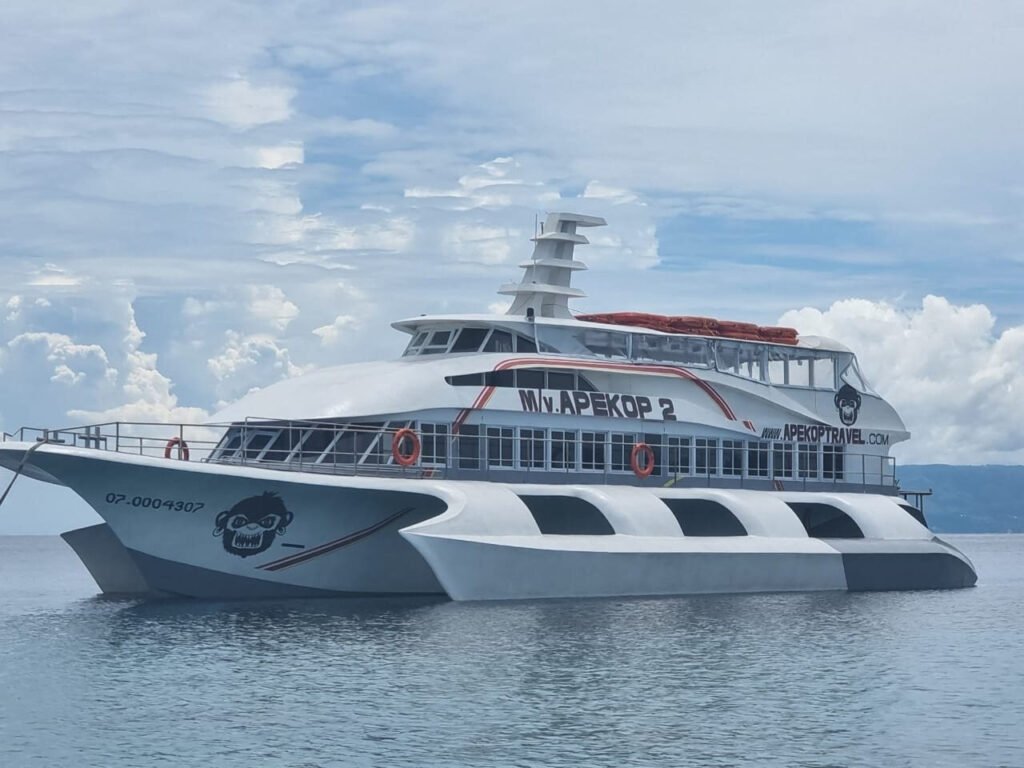
ApekopTravel offers direct high-speed connections from Panglao-Bohol to Oslob (whale sharks) and Siquijor — the operator to know for island-hopping beyond Bohol. Full ApekopTravel guide here.
For the complete picture on inter-island routes and Cebu-side transport, see our Bohol and Cebu transportation guide.
Step 3: Getting to Bohol by Plane
Panglao International Airport opened in 2018 and handles direct domestic flights from Manila — roughly 1 hour 20 minutes, bypassing the Cebu-Bohol ferry entirely. Worth checking before you default to the Cebu routing.
Philippine Airlines vs. Cebu Pacific
Philippine Airlines flies Manila–Panglao with a 4.5-star rating and a standout benefit: 30 kg checked baggage allowance on domestic routes. For families traveling with gear or surfers bringing boards, PAL’s allowance often makes the total cost competitive with Cebu Pacific once add-on fees are factored in.
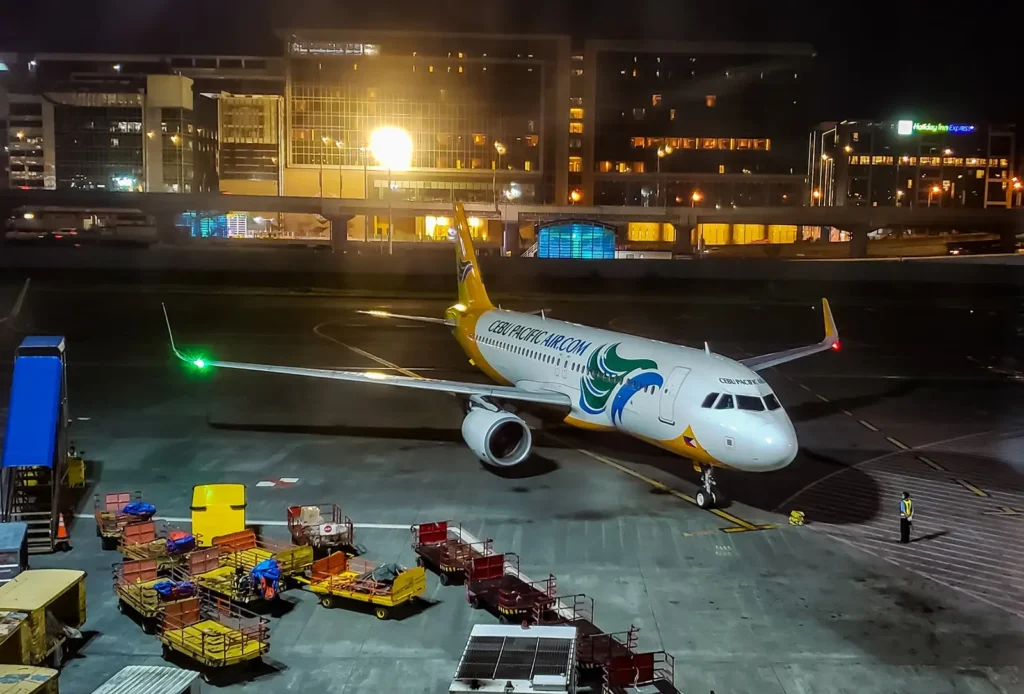
Cebu Pacific is the budget option with lower base fares. Booking 6–8 weeks out can yield significantly lower prices to Panglao. Their broader network also gives more connection flexibility for international arrivals routing through Mactan.
Airport Transfer from Panglao
Panglao International Airport is about 10–15 km from Alona Beach. Your options:
- Tricycle: ₱300–₱500 to Alona Beach; negotiate before loading your bags
- Private transfer van: ₱800–₱1,200 for up to 9 passengers — bookable in advance through My Bohol Guide or similar operators
A private transfer is worth it when you’re arriving with luggage on a hot afternoon and want to skip the negotiation.
Arriving via Mactan-Cebu Airport
If your international flight routes through Cebu, you’ll land at Mactan-Cebu International Airport on Mactan Island. The standard path to Bohol:
Mactan Airport → Cebu City (taxi or Grab, 30–60 minutes) → Pier 1 → fast craft to Tagbilaran
Budget 2–3 hours between landing and ferry departure for a comfortable connection. The 2–4 PM ferry window works well for early afternoon international arrivals.
🔗 Book your Bohol countryside tour before you arrive
🔗 Coming from Cebu? Book a full-day Bohol excursion with ferry transfers
Getting Around Bohol Once You’re There
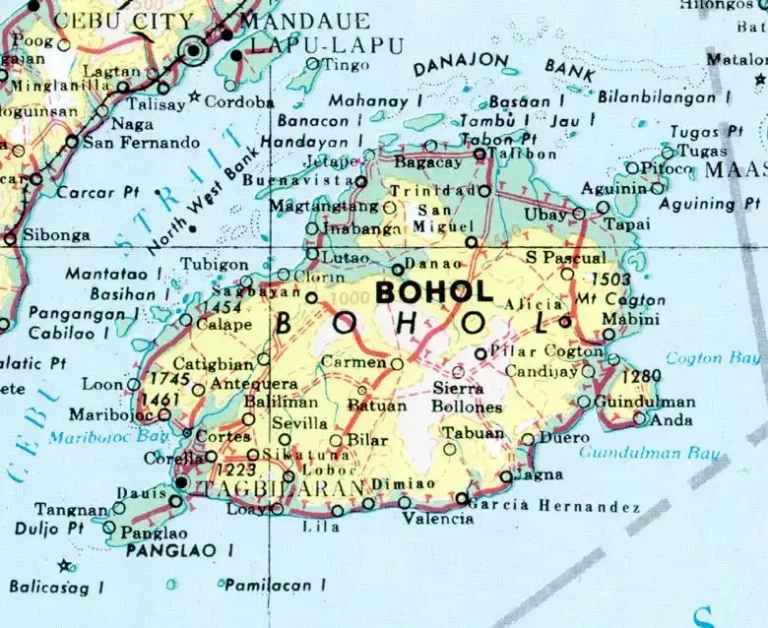
Bohol covers 4,821 km² across 47 municipalities. You can’t walk between the Chocolate Hills and Alona Beach — transport planning is non-negotiable. See our dedicated guide to getting around Bohol for route-by-route breakdowns.
Private Van with Driver
For the standard countryside loop — Chocolate Hills, tarsier sanctuary, Bilar forest, Loboc River cruise, heritage churches — a private van with driver runs ₱2,500–₱4,500 per day depending on vehicle size and destinations. Split across a couple or small family, this is affordable and far more flexible than group tours.
For premium private touring, My Bohol Guide specializes in door-to-door Bohol transport with professional drivers. Cebu Trip Rent A Car covers Cebu-side transfers with similar service quality. If you prefer leaving logistics entirely to a tour operator:
🔗 Book a premium private Chocolate Hills and tarsier tour
🔗 Budget private countryside tour with buffet lunch
Tricycles and Habal-Habal
Within Panglao and Tagbilaran, tricycles handle short hops. The local rate is ₱10–₱20 per person; tourists are routinely quoted ₱50–₱150. Ask “magkano para local?” (how much for locals?) to anchor the negotiation. ₱50 for a 2–3 km hop around Alona Beach is fair.
For inland routes in Loboc, Bilar, and Batuan, habal-habal (motorcycle taxis) reach narrow roads and viewpoints that tricycles can’t access. Rates are ₱100–₱300 per trip, negotiated directly with the driver.
Scooter Rental
Scooters are available around Alona Beach at ₱350–₱600 per day — fine for exploring Panglao independently. For mainland Bohol’s mountain roads (especially toward Chocolate Hills and Danao), stick to private van transport unless you’re a very confident rider.
Browse our 25 Must-Do Bohol Tours for activity ideas, or check best day tours from Bohol if you want to combine both islands in a single trip.

Best Time to Visit: Weather and Seasons
Dry Season: December to May (Amihan)
The northeast monsoon (amihan) brings cool trade winds, minimal rain, and the conditions most travelers picture: clear blue skies, calm seas, and chocolate-brown hills. Dive visibility at Balicasag Island hits 25–35 meters during this window — the best of the year. If island hopping is on your agenda, plan it in amihan; our Bohol island hopping guide covers everything you need to book.
This is peak season. Panglao resorts fill completely during Holy Week (March/April) — the single busiest travel period in the Philippines. Book resorts and tours 3–6 months ahead for April. January is an excellent compromise: dry season weather, lower prices than Christmas, and Cebu’s Sinulog festival is a bonus.
See our seasonal events and travel planner, or browse month-by-month: things to do in Bohol in April and things to do in Bohol in January.
🔗 Island hopping in peak season — book Balicasag early
Wet Season: June to September (Habagat)
The southwest monsoon (habagat) drops accommodation rates 30–50% and turns Bohol’s countryside intensely green. Waterfalls run at full power. Loboc River looks like liquid emerald. The trade-off is real — some days bring sustained afternoon rain, and occasional ferry delays affect the Cebu crossing.
Smart habagat strategy: plan cultural and river activities as your anchors, with beach and island hopping as weather-dependent bonuses. Build 1–2 buffer days into itineraries. See things to do in Bohol in July for the best mid-habagat picks.
Shoulder Season: October to November
The most underrated window. Habagat retreats, weather improves week by week, and peak pricing hasn’t returned. Sea conditions recover by late October while the landscape stays lush. Best combination of good conditions and reasonable pricing of any season.
See things to do in Bohol in November for shoulder season highlights.
What to Pack for Bohol and Cebu
Pack light. You’ll be moving between islands, managing bags up guesthouses, and sweating at 30°C regardless of season. The specific items that matter:
Non-negotiables:
- Reef-safe sunscreen — mandatory for snorkeling and diving. Balicasag Marine Sanctuary enforces reef-safe products. Available in Tagbilaran and Alona Beach but cheaper from home
- Waterproof bag or dry bag — island hopping means everything on the banca gets wet. A ₱150 bag from Tagbilaran public market works fine
- Lightweight rain jacket — even in amihan season, afternoon showers appear. Packable jackets take up almost no space
- Reef sandals or old sneakers — for Anda’s cave pools, Loboc river trails, and rocky banca boarding points
- Power bank, 10,000+ mAh — charging points don’t exist at scenic stops. Essential for a full day of navigation and photos
What to skip: Heavy jeans, formal wear, multiple guidebooks, bulky footwear. You’ll never use them and you’ll resent carrying them.
“I spent 20 minutes packing and regretted nothing. The one thing I bought in Panglao was reef-safe sunscreen — bring it from home and you’ll save ₱400 and the guilt.”
— Hans Couple from Germany ⭐⭐⭐⭐⭐
Money, Budget, and Booking Platforms
Daily Budget Reference
| Travel Style | Daily Budget | What It Covers |
|---|---|---|
| Backpacker | ₱1,200–₱2,000 | Dorm hostel, street food, shared tours |
| Mid-range | ₱3,500–₱6,000 | Private room, restaurant meals, private van |
| Luxury | ₱8,000–₱20,000+ | Beachfront resort, private tours, seafood |
Ferries (₱250–₱450 per leg) and booked tours are on top of daily estimates.
ATMs and Cash
Tagbilaran City has reliable international ATMs (BDO, BPI, Metrobank, UnionBank). Withdraw cash before heading to Panglao — Alona Beach ATMs run dry on long weekends. Loboc, Carmen, and Anda have very limited ATM options. Street food, tricycles, and markets are cash-only everywhere.
Our Philippine peso guide for travelers covers ATM fee strategies, cash vs. card, and currency exchange options in depth.
Best Booking Platforms
GetYourGuide has the strongest Bohol tour inventory with instant confirmation and free cancellation on most listings. For countryside tours, island hopping, and specialty experiences, book at least a week ahead during dry season.
Booking.com leads for Panglao luxury and mid-range resorts. 🔗 Compare Panglao resort prices on Booking.com
Agoda wins for budget guesthouses and smaller properties in Loboc, Anda, and Carmen — their Secret Deals (login required) regularly surface 15–25% discounts. 🔗 Find Panglao Secret Deal prices on Agoda Always compare both before confirming.
For a curated shortlist by location and budget, our Bohol hotels guide covers every part of the island. Within that: best Alona Beach hotels for beachfront picks, Bohol budget hotels for backpacker options, and multi-day Bohol tour packages for bundle deals.
🔗 Waterfall hopping day tour — a great add-on to countryside days
🔗 From Cebu: Full-day Bohol excursion with buffet lunch
Safety, Etiquette, and Local Customs
Bohol is among the Philippines’ safer tourist areas. Petty theft exists around crowded beachfronts, but incidents targeting travelers are uncommon. Don’t flash expensive gear in markets, keep passport copies in your email, and stick to established transport operators near the ferry pier.
Cultural Etiquette
- Remove shoes before entering older churches — look for footwear piled near the entrance
- “Po” and “Opo” are respectful Tagalog suffixes used with elders — appreciated by locals regardless of language
- Ask before photographing locals — especially around the tarsier sanctuary, where visitor behavior directly affects animal welfare
- Tipping — 10% at sit-down restaurants without a service charge; ₱200–₱500 for drivers and guides on full-day tours
- Humor travels well here — Filipinos appreciate a good laugh and self-deprecating wit. Brush up on a few Filipino travel jokes before you go and you’ll break ice faster than any guidebook phrase.
Water Safety
Alona Beach and Anda’s beaches are generally safe for swimming. During habagat, south-facing beaches develop stronger currents — check with your resort before entering unfamiliar water. Always wear a life jacket on banca boats for island hopping. The water between islands moves faster than it looks from the pier.
“The tarsier sanctuary guides in Corella are genuinely passionate — they’ll explain tarsier behavior in detail if you ask. Tip them generously; their conservation work is the real thing.”
— Torres from Manila ⭐⭐⭐⭐⭐
Practical Tips Most Guides Don’t Tell You
Book your return ferry before your last full day. Sunday afternoon slots back to Cebu and days before holidays fill by mid-morning. Walk-up availability is not guaranteed.
The Chocolate Hills at 7 AM is a completely different experience from 10 AM. Tour buses arrive in volume after 9 AM. Get there at sunrise and you’ll have the deck to yourself. See our full Chocolate Hills guide for timing.
Loboc floating restaurants are the tourist track. Fine for the river experience, but better food at similar prices exists along the river road — ask your driver. Our Loboc travel guide has specifics.
For Anda, plan an overnight. Anda’s cave pools, beaches, and rice terraces need a full day minimum — it’s 2.5 hours from Tagbilaran. Adding southern Cebu (Oslob, Kawasan)? A Ceres Cebu South bus dramatically cuts transport costs.
Sort your travel insurance before you fly. Medical evacuation from a remote island is expensive. Our Philippines travel insurance guide covers what to look for and which policies include island activities.
Filling out guesthouse forms or sending packages home? Keep our
Bohol zip codes guide bookmarked —
every municipality is listed, which saves a surprising amount of time at the post office
or courier drop-off.
Alona Beach beachfront rooms book 2–3 months ahead for December–April. Back rooms at the same properties run 20–30% less and have much more availability closer to your dates.
🔗 Book a private Panglao land tour — caves, beach, and forest in one day
🔗 Anda Bohol: caves, waterfalls, and Cadapdapan Rice Terraces
Essentials: Arriving & Departing
Ultimate Bohol Bus Routes & Transport Guide: Navigate Paradise Like a Local (Updated 2026)
This guide has been updated to reflect the 2026 transportation landscape in Bohol, where infrastructure improvements and fare adjustments have shifted the travel dynamic. Key changes include updated pricing, the integration of the Panglao-Tagbilaran Bus Rapid…
Bohol Geography & Maps for Travelers – Distances, Attractions & How to Get Around
Title: Bohol Geography & Maps for Travelers – Distances, Attractions & How to Get Around Description: Discover Bohol’s geography with maps, distances, and key attractions. Learn how to explore Bohol’s islands, hills, rivers, and caves with…
Cebu Bus Routes: 2026 Transport Guide to Navigate Like a Local
Picture this: You’ve just landed at Mactan-Cebu International Airport, excited to explore the Queen City of the South, but suddenly realize you have no idea how to get around without paying tourist taxi prices. While a…


Frequently Asked Questions — Bohol and Cebu Travel Essentials
Should I get an eSIM or a physical SIM card for Bohol?
Get an eSIM if your phone supports it — activate before you fly and you’re online from the moment you clear immigration. No airport kiosk queue, no passport hunt. Globe and Smart are both solid for the main tourist corridors (Panglao, Tagbilaran, Chocolate Hills area). Physical SIMs are available at Mactan-Cebu and Panglao airports if your phone doesn’t support eSIM. Either way, download offline maps before heading to eastern Bohol or interior routes — signal drops in those areas regardless of carrier.
What is the best time of year to visit Bohol?
December through May (the amihan dry season) gives you the best weather: blue skies, calm seas, and top dive visibility at Balicasag Island. January is the sweet spot — excellent conditions, lower prices than Christmas, and Cebu’s Sinulog festival as a bonus. If budget matters more than weather, June to September cuts accommodation rates 30–50% and the countryside turns spectacularly green. Shoulder season (October–November) is genuinely underrated: the rains are winding down, the landscape is still lush, and peak pricing hasn’t returned.
How do I get from Cebu City to Bohol by ferry?
Take a fast craft from Pier 1 in Cebu City to Tagbilaran — about 2 hours across the Bohol Strait. OceanJet runs up to 18 daily departures; SuperCat and FastCat are solid alternatives. Economy class is comfortable. Book through 12Go online to skip the walk-up queue — this matters on long weekends and Holy Week, when tickets are gone by morning. Ferries run roughly 6 AM to 7:30 PM; the last return from Tagbilaran is around 6:30–7:30 PM.
Is it better to fly directly to Panglao or route through Cebu?
Fly direct to Panglao if you’re coming from Manila — it saves you the Cebu City taxi, the pier queue, and a 2-hour ferry crossing. Philippine Airlines and Cebu Pacific both serve Manila–Panglao in about 1 hour 20 minutes. The Cebu routing makes more sense if your international flight already lands at Mactan, or if you want time in Cebu City before crossing. Either way, the ferry is an experience worth doing at least once.
How many days should I spend in Bohol?
Three to four days covers the core circuit: Chocolate Hills, tarsier sanctuary, Loboc River, Panglao beaches, and a day of island hopping. Five to six days adds Anda and the eastern coast. Seven-plus unlocks the island’s quieter corners. A multi-day Bohol tour package is worth considering if you want logistics bundled together. For a full list of what’s possible, check out 77 things to do in Bohol.
Can I do Bohol and Cebu in one trip?
Easily. The most common pattern is 2 days in Cebu City → ferry to Bohol → 3–4 days on the island → ferry back. Some travelers reverse this depending on flight connections. Cebu adds urban dining, Sinulog, and Oslob whale sharks; Bohol adds countryside, beaches, and the slower pace that makes the Philippines memorable. Day tours from Cebu to Bohol also exist if you want to experience both without changing hotels.
What is the cheapest way to get from Cebu City to Tagbilaran?
Economy class on OceanJet, SuperCat, or FastCat runs ₱250–₱450 per way — the most affordable option by a wide margin. Book online through 12Go to avoid last-minute pier scrambles. Private speedboat charters cost significantly more and only make sense for groups on a tight schedule. The 2-hour crossing on a modern fast craft is comfortable enough that upgrading to Business class is rarely necessary.
How far in advance should I book Bohol tours and hotels?
For the December–May dry season, book major tours 1–3 weeks ahead. For Holy Week (March/April), plan 2–3 months out — Panglao fills completely. Alona Beach hotels in beachfront positions sell out earliest; back-row rooms at the same properties have more flexibility. For June–September habagat travel, next-day booking is typically possible. Island hopping tours sell out before countryside tours do, so prioritize those.
Is Bohol safe for solo travelers?
Generally yes. Alona Beach on Panglao has an active solo traveler scene, especially at the social hostels where groups form organically for countryside tours and island hopping. Solo women travelers consistently report feeling comfortable in the main tourist areas. Standard precautions apply: don’t flash expensive gear at crowded markets, use established transport operators rather than unsolicited offers near the ferry pier, and keep passport copies accessible in your email.
What should I pack for Bohol that most guides forget to mention?
The non-negotiables beyond the obvious: reef-safe sunscreen (mandatory at Balicasag Marine Sanctuary, cheaper from home than Alona Beach), a waterproof dry bag for island hopping (everything on the banca gets wet), and a power bank of at least 10,000 mAh (no charging points at scenic stops). A lightweight packable rain jacket earns its footprint even in dry season. Leave heavy jeans, formal wear, and bulky footwear at home — you will never use them and you will regret carrying them.
Start Here — Everything Else Follows
These Bohol and Cebu travel essentials give you the practical layer: connectivity sorted before you land, transport options matched to your budget, and the seasonal and cultural knowledge that makes everything run smoother.
Sort your eSIM or SIM first. Book your ferry or confirm your flight routing. Lock in your top tour or two with free cancellation so you’re protected from schedule changes. The rest can flex once you’re on the ground.
Ready to plan your full itinerary? Start with the Bohol Travel Guide or the Cebu Travel Guide, and browse 77 things to do in Bohol to fill your days.
🔗 Book your Bohol countryside tour — most popular pick, instant confirmation
🔗 Find and reserve your island hopping tour now
🔗 Browse all private Bohol tour options with free cancellation
Support our site by booking through our trusted affiliate partners. These links help us keep our content free while ensuring you get the best travel deals!
⭐ “4.9/5 stars from 2,847 travelers”
🏆 “Recommended by Lonely Planet & Travel + Leisure”
🛡️ “100% satisfaction guarantee on all bookings”
Travel Tips and Guides
“Want to extend your adventure? Discover Cebu’s vibrant culture, beautiful beaches, and exciting activities just a ferry ride away from Bohol.”
Support our site by booking through our trusted partners. These affiliate links help us keep our content free while ensuring you get the best travel deals, verified local operators, and expert guidance for your confident Bohol and Cebu adventures!