
Your Complete Bohol Travel Tips & Guides: Everything You Need Before You Go
If you are planning your first trip to Bohol, the first question you will ask is probably not “where should I go?” — it is “how do I actually get there, and what do I need to know?” That is exactly what this page is for.
Bohol is a 4,821 km² island province in Central Visayas, home to the Chocolate Hills, the world’s smallest primate, and some of the finest white-sand beaches in Southeast Asia. Getting here, getting around, and getting the most out of your time all come with a learning curve — especially if this is your first trip to the Philippines.
This guide covers everything from ferry tickets and local transport to food tips, budgeting, what to pack, and how to respect local culture. Use it as your pre-trip checklist and a quick reference when you are on the ground. Learn more about travel essentials for the Philippines and the complete Bohol travel guide.
Book your Cebu–Bohol ferry on 12Go
Book your Cebu–Bohol ferry on 12Go — compare Ocean Jet, Fast Cat, and Lite Ferries, check live schedules, and lock in your ticket before peak season fills up.
“We almost missed the ferry because we didn’t know it sold out weeks in advance during Holy Week. Booking ahead on 12Go saved our whole trip.”
— Maria C., Makati ⭐⭐⭐⭐⭐
1. 🚖 Transport & Getting Around Bohol
Transport Tips and Guides
Bohol Geography & Maps for Travelers – Distances, Attractions & How to Get Around
Title: Bohol Geography & Maps for Travelers – Distances, Attractions & How to Get Around Description: Discover Bohol’s geography with maps, distances, and key attractions. Learn how to explore Bohol’s islands, hills, rivers, and caves with…
Loboc Church: Where Sacred Music Meets the River’s Song
The gentle murmur of the Loboc River mingles with centuries-old prayers at one of Bohol’s most musically gifted churches. Founded in 1596 by Jesuit missionaries, the Church of San Pedro Apostol stands as more than architectural…
Camiguin Travel Guide: Born of Fire, Island of Adventure & Natural Wonders
Prepare for an extraordinary island adventure where fire meets paradise. Camiguin, the Philippines’ second-smallest province, packs more natural wonders per square kilometer than anywhere else in the archipelago. This teardrop-shaped volcanic island in northern Mindanao boasts…
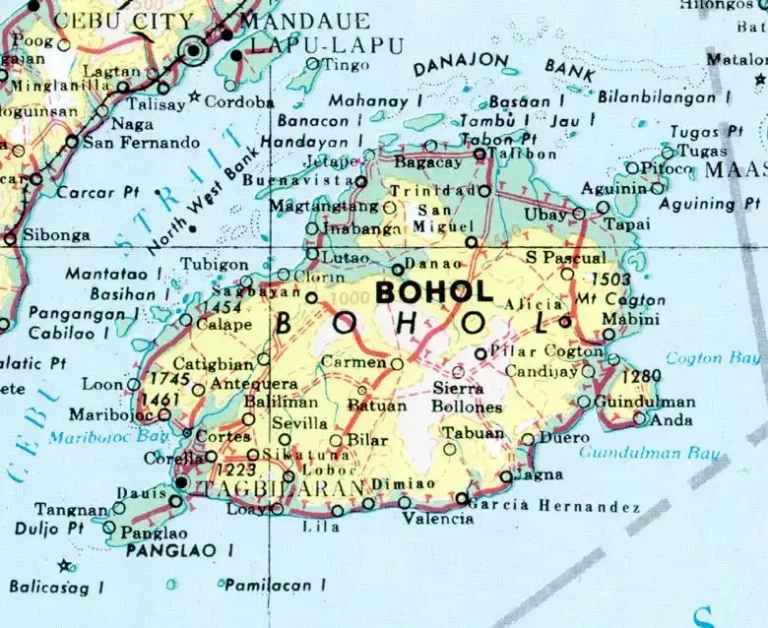
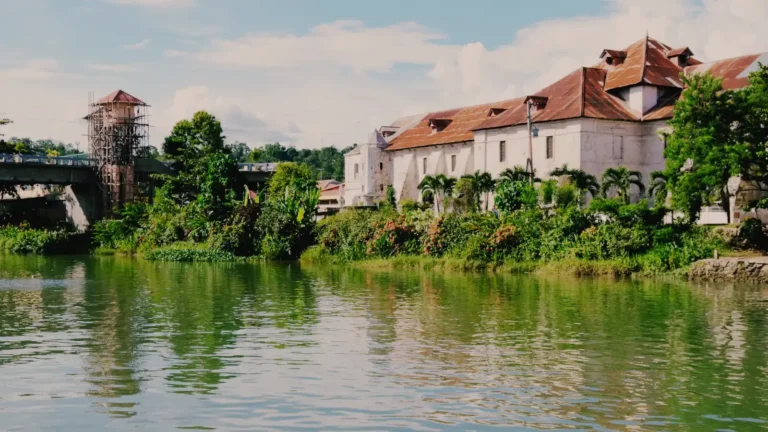
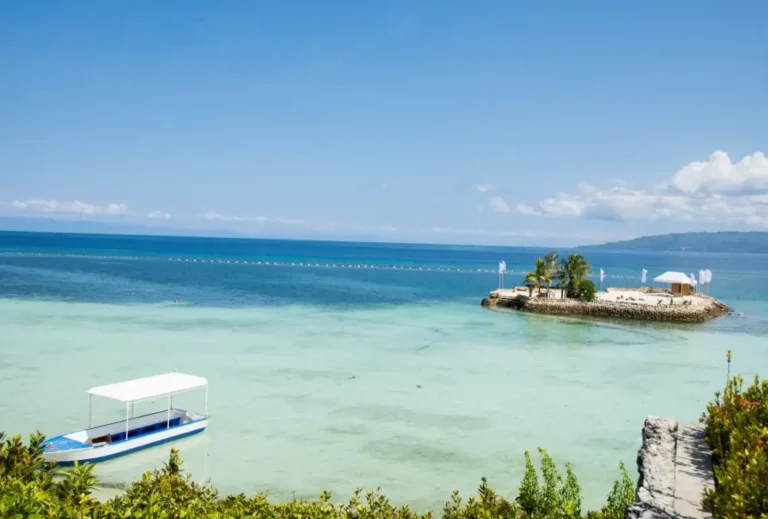
Getting to Bohol means crossing the Bohol Sea from Cebu City to Tagbilaran Port — a roughly 2-hour fast ferry ride across approximately 72 km of open water. From Tagbilaran, you reach Panglao Island in around 15 minutes by private transfer, or about 25 minutes by tricycle (a motorbike with a covered sidecar). The island has no train system or Grab service outside Tagbilaran City, so understanding your transport options before you land makes a real difference.
Book your Cebu–Bohol ferry on 12Go
Book your Cebu–Bohol ferry on 12Go — compare Ocean Jet, Fast Cat, and Lite Ferries, check live schedules, and lock in your ticket before peak season fills up.
Getting to Bohol — ferry tips:
- The fastest route is the OceanJet or SuperCat high-speed ferry from Cebu City’s Pier 1. Journey time: approximately 2 hours. Fares from approximately ₱600–₱900 one-way.
- Budget option: the FastCat ferry to Bohol takes around 2.5–3 hours but costs less — good for backpackers who are not in a rush.
- Overnight option: the Lite Shipping overnight ferry departs late evening and arrives early morning, saving you a night’s accommodation if you are on a tight budget.
- Flying in? Panglao International Airport (code: TAG) is now the main airport, located on Panglao Island itself — roughly 10 minutes from Alona Beach by tricycle.
- Coming from Manila? The 2GO overnight ferry from Manila calls at Tagbilaran Port and is a popular option for travellers who are not in a hurry.
- Always book your ferry at least 3–6 weeks ahead during peak season (December–May). Holy Week (March/April) books out by January.
- Heading back? Book the return Tagbilaran → Cebu ferry here.
Getting around Bohol:
- Tricycles are the main short-distance transport in towns. Negotiate the fare before you get in. From Tagbilaran Port to the city centre: approximately ₱30–₱60.
- V-hire (V-shaped jeepneys) cover the main provincial routes — Tagbilaran to Loboc, Carmen, and Jagna — for approximately ₱30–₱80 depending on distance.
- Motorbike (habal-habal) is common in rural areas. Rates are negotiable. Helmets are required by law.
- For day trips to the Chocolate Hills or Loboc River, private multi-cab hire costs approximately ₱2,500–₱4,500 per day depending on vehicle type and itinerary.
📍 Deeper guides:
- Complete Cebu–Bohol ferry guide
- How to get to Bohol by ferry
- OceanJet schedules and fares
- SuperCat ferry Cebu to Bohol
- Getting around Bohol
- Bohol bus routes guide
- Full transportation guide for Bohol and Cebu
- All transport options
- Hotels near the Tagbilaran ferry port
- How to get around Cebu
2. 🌴 Tours, Attractions & Activities
Bohol’s top draw is the Bohol Countryside Tour — a full-day loop that takes you to the Chocolate Hills, the Philippine Tarsier Sanctuary, the Loboc River lunch cruise, and the Bilar Man-Made Forest, all in one go. The 2-km stretch of mahogany trees at Bilar causes an abrupt drop in temperature the moment you drive under the canopy — locals say it feels like the forest exhales on you. Beyond the classic loop, Bohol has serious diving, island-hopping tours to Balicasag and Pamilacan, adventure parks in Danao, and quieter corners like the white-sand beaches of Anda on the eastern coast.
Book your Bohol countryside tour on GetYourGuide
Book your Bohol countryside tour on GetYourGuide — Chocolate Hills, Tarsier Sanctuary, and Loboc River in one full day, with hotel pickup included.
Or for a budget option: shared countryside tour on GetYourGuide — same highlights at a lower price point.
Tour tips:
- The Chocolate Hills are best visited early morning before the heat sets in. The official viewpoint in Carmen is about 55 km from Tagbilaran — around 1.5 hours by private car on the Tagbilaran–Carmen highway. The 1,268 hills cover 50 km² across Carmen, Batuan, and Sagbayan.
- Tarsiers: Visit only the Philippine Tarsier Sanctuary in Corella — a 167-hectare protected area where animals roam free. Never handle tarsiers, and never use flash photography. These are the rules. They are not suggestions. Book a Tarsier Sanctuary tour
- The Loboc River cruise runs daily and includes a floating buffet lunch. It is one of the most popular activities in the province. Loboc River cruise — what to expect and how to book
- For diving, Balicasag Island (about 8 km southwest of Panglao) is the standout site — turtle encounters, black-tip reef sharks, and walls that drop sharply into deep blue water. Book the Balicasag Island tour
- Island hopping around Panglao — Balicasag, Pamilacan, and Virgin Island — is typically booked through your hotel or a banca operator at Alona Beach. Budget from approximately ₱800–₱1,500 per person for a group tour. Book the Panglao island hopping tour on Klook.
- For adventure, Danao Adventure Park (about 1 hour north of Tagbilaran) has ziplining, the Plunge (a 65-metre abseil into a gorge), and kayaking. Danao Adventure Park tour booking
“The tarsiers at the sanctuary were unlike anything I expected — tiny and impossibly still. We saw four in one visit, no crowds, no noise. Go in the morning.”
— James T., Melbourne ⭐⭐⭐⭐⭐
📍 Deeper guides:
- How to book a Bohol countryside tour
- Private vs shared Chocolate Hills tour
- Best island hopping tours in Bohol
- Best adventure tours in Bohol
- Best family tours in Bohol
- Best romantic tours in Bohol for couples
- Diving tours in Bohol
- Wildlife and ecotourism tours in Bohol
- All Bohol tours
- Chocolate Hills guide
- Alona Beach guide
- Panglao Island guide
- 77 things to do in Bohol
- Day tours from Cebu to Bohol
3. 🍽️ Food & Dining in Bohol
Eating in Bohol is one of the best parts of the trip — if you know where to look. The local market in any town is always worth a stop, especially on market day when fresh seafood comes in from the surrounding waters. Street food is cheap, abundant, and unmissable: puso (woven palm-leaf rice packets shaped like diamonds), grilled isaw (skewered innards), and bibingka (rice cakes grilled over charcoal). The Bohol Bee Farm restaurant near Dauis serves organic farm-to-table food using ingredients grown on-site, and is one of the most consistently praised dining experiences on the island.
Food tips:
- Kalamay (a sweet sticky rice cake made with coconut milk) is Bohol’s most famous delicacy. Buy it in Tagbilaran’s Dao Terminal market or at shops near Baclayon Church. Bohol kalamay
- Peanut kisses are another popular pasalubong (souvenir food). They look like chocolate Kisses but are made from local peanuts. Best pasalubong from Bohol
- In Tagbilaran, Dao Terminal food stalls and the area around Gaisano Mall offer reliable local meals — tapa, sinuglaw (grilled pork with kinilaw), and fresh seafood from approximately ₱80–₱150 per plate.
- At Alona Beach, restaurants cater to international visitors but prices are reasonable — expect to pay approximately ₱150–₱350 for a full meal. Fresh seafood platters are worth ordering.
- If you are self-catering or on a budget, the Tagbilaran public market near ICM Port is the place to stock up. Locals shop early — arrive before 8am for the best selection.
- Ask locals which day is market day in whichever town you are visiting. Market days rotate — not every town has a daily market.
📍 Deeper guides:
4. 📋 Planning Your Trip to Bohol
Cebu Bus Routes: 2026 Transport Guide to Navigate Like a Local
Picture this: You’ve just landed at Mactan-Cebu International Airport, excited to explore the Queen City of the South, but suddenly realize you have no idea how to get around without paying tourist taxi prices. While a…
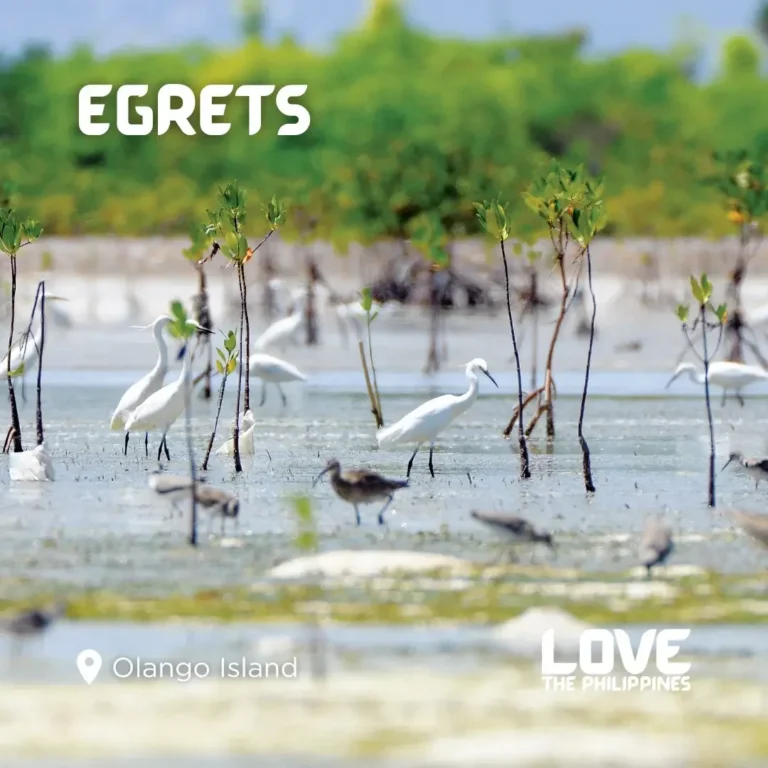
Cebu Birdwatching Guide – Top Spots to See Rare Birds in the Philippines
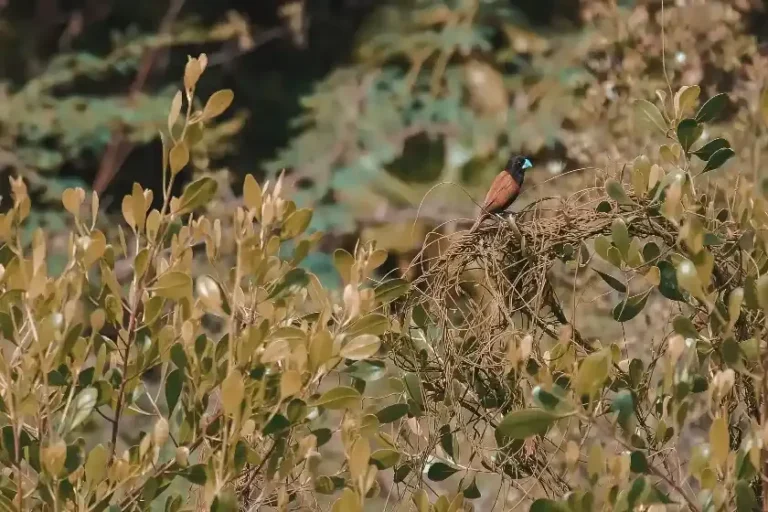
As the first rays of dawn break across Olango Island’s mudflats, the sky suddenly fills with the silhouettes of thousands of migrating shorebirds taking flight in perfect formation. This breathtaking spectacle, repeated twice yearly during peak…
Bohol Birdwatching Guide – Where to Spot Endemic & Migratory Birds
The first light of dawn breaks through the canopy at Rajah Sikatuna Protected Landscape, and suddenly the forest erupts in a symphony of calls. A flash of azure and orange catches your eye – the rare…
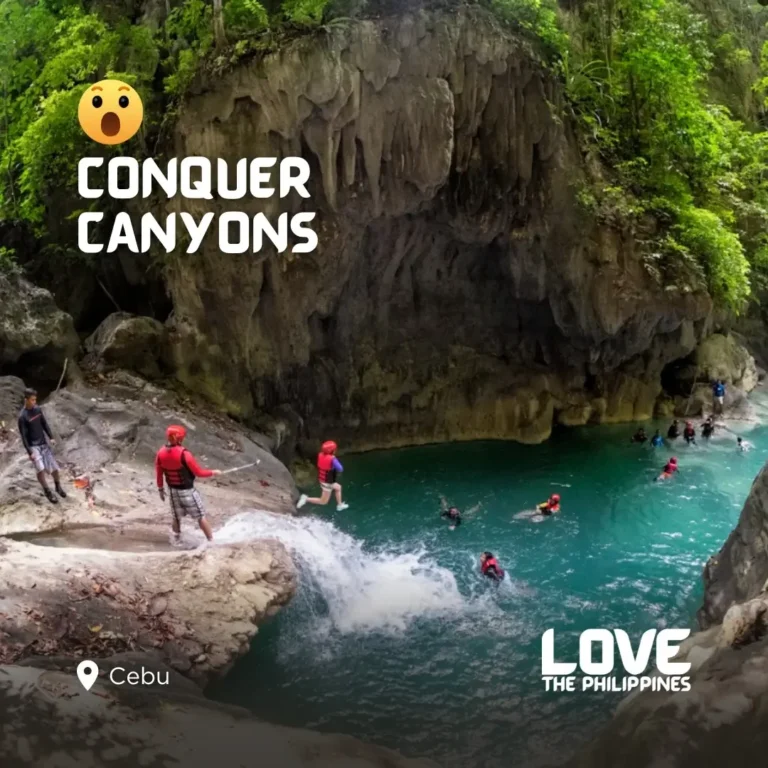
The best time to visit Bohol is during the dry season (amihan) — December through May — when skies are clear, seas are calm, and the white-sand beaches look exactly how you imagined. That said, peak season comes with premium prices and, during Holy Week, fully booked resorts across Panglao. PAGASA data shows the transition months of October and November are arguably the sweet spot: improving weather, pre-peak hotel rates, and fewer crowds on the Chocolate Hills viewpoint. The wet season (habagat, June–September) cuts hotel rates by 30–50% and is actually ideal for river activities, cultural visits, and diving — the underwater visibility stays excellent year-round.
Planning tips:
- Holy Week (March or April) is the single busiest travel period in the Philippines. Book Panglao hotels 3–6 months in advance. Seriously. They sell out. Things to do in Bohol in April
- July is the month of the Sandugo Festival in Tagbilaran City — a week-long celebration of the 1565 blood compact between Datu Sikatuna and Miguel López de Legazpi. Street dancing, cultural shows, and city-wide festivities. July Sandugo Festival
- December–January is festive and beautiful, but also expensive. Budget travellers will do better in June or October. Things to do in Bohol in December
- Allow at least 3–5 days in Bohol to do the countryside tour, a beach day at Panglao, and at least one island hopping trip. Five to seven days gives you time for Anda or a day in Tagbilaran City.
- Download an offline map of Bohol before you travel — mobile data can be patchy in rural areas. Best apps for traveling in the Philippines
- Consider travel insurance before you go. Medical facilities in rural Bohol are limited — the main hospital is in Tagbilaran City. Do I need travel insurance for the Philippines?
📍 Seasonal guides:
- Things to do in Bohol in January
- Things to do in Bohol in February
- Things to do in Bohol in March
- Things to do in Bohol in May
- July Sandugo Festival
- Things to do in Bohol in October
- Bohol festivals calendar
- Bohol travel guide
- Things to do in Bohol by month
- The ultimate Bohol activity list
5. 🛂 Entry Requirements & Visa for the Philippines
Most nationalities can enter the Philippines visa-free for up to 30 days — citizens of over 150 countries qualify, including all EU member states, the US, Australia, the UK, and Canada. You do not need to arrange anything in advance; the 30-day stay is granted on arrival. If you want to extend beyond 30 days, you will need to visit the Bureau of Immigration (BI). There is a BI regional office in Tagbilaran City for travellers who need an extension while they are in Bohol. Always check the Philippine Bureau of Immigration website for the most current rules before you travel — visa policies change.
Entry tips:
- You must have a return or onward ticket when you enter. Immigration officers check. A ferry ticket back to Cebu counts.
- The official validity period is 30 days, but extensions are straightforward. The BI office in Tagbilaran processes extensions from Monday to Friday during office hours.
- ASEAN nationals (including Filipinos in the diaspora) often get up to 30 days automatically. Non-ASEAN visitors should verify current rules at immigration.gov.ph.
- Yellow fever vaccination is required if you are arriving from a yellow-fever-endemic country. Otherwise, no vaccinations are mandatory — but hepatitis A, typhoid, and updated tetanus are commonly recommended.
- Travel insurance is strongly advised. Even for short stays — emergencies happen. Philippines travel insurance guide
📍 Useful links:
6. 💰 Money, Budget & Costs in Bohol
The Philippine Peso (₱) is the currency. As of 2025, rough daily budgets look like this: backpacker (hostel dorm, public buses, street food) approximately ₱1,200–₱1,800/day; mid-range (guesthouse or budget hotel, a mix of tours and local meals) approximately ₱3,000–₱5,000/day; comfort/luxury (resort, private tours, restaurant dining) approximately ₱8,000+/day. The biggest budget drain is usually tours — a private countryside tour can cost approximately ₱2,500–₱4,500 per vehicle, shared across your group.
ATMs and cash tips:
- Tagbilaran City has the best ATM coverage on the island. The main cluster is around the Alturas Mall and the ICM Port area. Withdraw enough cash before heading to rural areas.
- Anda, Guindulman, and eastern Bohol towns have very limited ATM access. Bring sufficient cash from Tagbilaran before you head east.
- Most Alona Beach resorts and restaurants accept GCash (the Philippines’ main digital wallet) — link a foreign card before you go if you plan to use it.
- Tipping is not mandatory but appreciated. At restaurants, ₱20–₱50 is thoughtful for good service. For tour guides, ₱100–₱200/day is standard.
- SIM cards: Globe and Smart both work in Bohol. Buy a SIM at the airport or in Tagbilaran. Load a data package — approximately ₱99–₱299 for 7–30 days of data.
Budget transport hacks:
- The Dao Terminal in Tagbilaran serves V-hire (jeepney) routes across Bohol for ₱20–₱80 per trip. Far cheaper than private hire.
- Public buses go as far as Jagna, Anda, and Talibon — slow but very cheap. Use public buses to save money getting around Bohol
📍 Deeper guides:
- Philippine peso guide
- Budget hotels in Bohol
- Budget hostels in Panglao
- Affordable Tagbilaran hotels
- Budget transport tips for Bohol
7. 🎒 Packing & What to Bring
Bohol’s climate is tropical — hot and humid year-round, with average temperatures between 24°C and 33°C. You do not need to pack much, but a few specific items will make a genuine difference. The most important one: reef-safe sunscreen. It is required at all marine sanctuaries in Bohol, including Balicasag Island, and rangers will check. Standard chemical sunscreens containing oxybenzone and octinoxate are banned. Bring mineral-based alternatives or buy them in Tagbilaran before heading to the islands.
Packing tips:
- Reef-safe sunscreen — required at Balicasag Marine Sanctuary and Hinagdanan Cave pool. Check the label before you pack. Reef-safe sunscreen required at Balicasag marine sanctuary
- A dry bag — essential for island hopping. Banca boats in Bohol do not have covered storage, and splashing is inevitable. Protect your phone, passport, and cash.
- Modest clothing for churches — covered shoulders and knees are expected when visiting Baclayon Church, Tagbilaran Cathedral, or any parish church. A light scarf doubles as a cover-up. Baclayon Church
- Mosquito repellent — Bohol has low malaria risk but dengue is present. Apply repellent after sundown, especially in rural areas.
- Lightweight shoes that dry quickly — flip-flops are fine for beaches, but closed shoes or sports sandals are better for the Chocolate Hills viewpoint hike (it is short but steep in parts).
- Power bank — electricity can be patchy in eastern Bohol and on remote islands. A charged power bank keeps your phone going.
- Camera, not selfie stick — Bohol rewards the photographer who points the lens outward. The Chocolate Hills at dawn, the Man-Made Forest tunnel, tarsiers on a branch — these are worth capturing properly.
“My biggest regret was not bringing a dry bag. My phone got soaked on the banca to Balicasag. The diving was incredible, though.”
— Sofia R., Singapore ⭐⭐⭐⭐⭐
📍 Deeper guides:
- What gear to bring for Bohol ecotourism
- Apps to download before your Philippines trip
- What to pack for diving in Bohol
- Snorkeling gear — what you need and what the tour provides
- No flash photography at the Tarsier Sanctuary
- Packing for Bohol’s beaches
8. 🎭 Culture, Heritage & Etiquette in Bohol
Bohol is one of the most historically significant provinces in the Philippines. The Sandugo blood compact — sealed in 1565 between Datu Sikatuna and the Spanish conquistador Miguel López de Legazpi on a beach near Tagbilaran — is the earliest recorded friendship treaty in Philippine history. The province is home to some of the oldest coral-stone Catholic churches in the archipelago, a tradition of brass-band music that dates back to 1871, and a people who describe themselves simply as Bolhanon (from Bohol). Bisaya (Visayan) is the local language; Filipino and English are widely understood.
Etiquette tips:
- At churches: dress modestly (covered shoulders and knees), remove hats, speak quietly. Dawn Masses (especially during the Misa de Gallo in December) are attended by locals, not tourists — if you attend, be respectful and unobtrusive.
- At the tarsier sanctuary: no flash photography, no loud voices, no touching the animals. Tarsiers are small enough to die from the stress of being handled. The Philippine Tarsier Foundation and its staff take this seriously. Meet Carlito Pizarras — Bohol’s Tarsier Man
- Filipino hospitality (bayanihan): if locals invite you to eat or join a celebration, accept graciously. It is genuine, not a sales pitch. A simple salamat (thank you) goes a long way.
- Bargaining is acceptable at markets and with independent tricycle drivers, but not in restaurants or shops with fixed prices. Bargain politely — not aggressively.
- The July Sandugo Festival in Tagbilaran is worth planning around if your dates allow. It features a street dancing competition (Sandugo sa Kabobohanan), cultural shows, and a re-enactment of the blood compact. Sandugo Festival in July
- Learn a few Bisaya words — Maayong buntag (good morning), Salamat (thank you), Pila man? (how much?) — and Bolhanon will light up when you use them. Historical sites in Bohol
📍 Deeper guides:
- Bohol’s Spanish colonial churches
- Heritage church tours in Bohol
- The Sandugo blood compact — Bohol’s most famous historical site
- Top cultural and historical sites in Bohol
- Philippine tarsier facts
- Responsible ecotourism in Bohol
- Tagbilaran Cathedral — the heart of Catholic Bohol
- Magellan’s Cross, Sinulog Festival, and Cebu heritage
Where to Stay in Bohol
Panglao Island and Alona Beach are where most visitors base themselves — it puts you close to the best beaches, diving operators, and island-hopping departure points. If you prefer quieter surroundings, Anda in eastern Bohol has fine white sand, shallow warm water, and far fewer visitors. For those who want to be close to the ferry port for an easy departure, Tagbilaran City has solid mid-range options a short walk from ICM Port.
Compare Bohol hotels on Booking.com
Find Bohol resorts on Agoda
Find and compare Bohol hotels and resorts on Booking.com — from Alona Beach budget guesthouses to luxury Panglao resorts. Or search Agoda for Bohol to compare rates across both platforms before you book.
📍 Browse by type or location:
Panglao & Alona Beach:
- Best hotels at Alona Beach
- Where to stay in Panglao
- Luxury resorts in Panglao
- Best family resorts in Panglao
- Budget hostels in Panglao for solo travelers
Special categories:
- Luxury resorts in Bohol
- Bohol honeymoon hotels
- Romantic hotels in Bohol for couples
- Eco-resorts and farm stays in Bohol
- Private pool villas in Bohol
- Unique and unusual places to stay in Bohol
By location:
- Resorts in Anda, eastern Bohol
- Hotels and resorts along the Loboc River
- Hotels near the Chocolate Hills
- Affordable Tagbilaran hotels
- Hotels near the Tagbilaran ferry port
- Hotels that include tour pickup in Bohol
All accommodation:
Conclusion
Bohol rewards the traveller who does a little homework before they land. Get your ferry booked early, have your cash ready before leaving Tagbilaran, pack reef-safe sunscreen, and leave at least five days so the island has room to surprise you. The Bohol travel tips on this page are a starting point — each section above links to deeper guides that can walk you through booking, planning, and experiencing every part of the province at your own pace.
Bohol is not just a destination. It is a place that stays with you — the sound of the banca engine cutting out above the reef at Balicasag, the temperature drop as you enter the Bilar forest, the unexpected quiet of the Chocolate Hills at sunrise. Arrive prepared, and you will not want to leave.
Compare Bohol hotels on Booking.com
Find Bohol resorts on Agoda
Support our site by booking through our trusted affiliate partners. These links help us keep our content free while ensuring you get the best travel deals!
Frequently Asked Questions
1. Do I need a visa to visit Bohol / the Philippines?
Most nationalities can enter the Philippines visa-free for up to 30 days — this covers citizens of EU countries, the US, UK, Australia, Canada, and over 150 others. No advance arrangement is needed; the 30-day stamp is issued on arrival. If you want to stay longer, extensions are available at the Bureau of Immigration regional office in Tagbilaran City. Always verify current rules at immigration.gov.ph before you travel, as visa policies can change.
2. What is the best way to get to Bohol from Cebu?
The fastest and most popular option is the high-speed ferry from Cebu City’s Pier 1 — either OceanJet or SuperCat — taking approximately 2 hours. Fares start from approximately ₱600–₱900 one-way. Book in advance through 12Go, especially during the dry season (December–May) when ferries fill up. Budget travellers can take the FastCat, which is slower (2.5–3 hours) but cheaper. There is also an overnight slow ferry option via Lite Shipping.
3. How far in advance should I book for Holy Week in Bohol?
Book 3–6 months in advance for Holy Week, which is the single busiest travel period in the Philippines. Panglao Island resorts sell out completely, often by January for April’s Holy Week dates. Ferry tickets also go fast. If you are planning a Holy Week trip, treat it like you are booking peak Christmas in Europe — early is the only option.
4. How much does a Bohol trip cost per day?
Daily costs vary widely. Backpackers staying in hostels, using public buses, and eating at market stalls can get by on approximately ₱1,200–₱1,800 per day. Mid-range travellers in guesthouses or budget hotels, doing one or two tours, should budget approximately ₱3,000–₱5,000 per day. Comfort travellers in beach resorts with private tours will spend approximately ₱8,000 and up. The biggest variable is tours — a private countryside tour costs approximately ₱2,500–₱4,500 per vehicle (split across your group).
5. Is Bohol safe for solo travellers?
Yes, Bohol is generally considered safe and welcoming. Petty theft exists (as in any tourist destination) — keep your valuables secure and be aware in crowded areas. Solo female travellers visit regularly without issues. Alona Beach is particularly solo-traveller-friendly, with a well-developed backpacker scene, social dive shops, and hostels that make it easy to connect with other travellers.
6. What currency does Bohol use, and where can I get cash?
Bohol uses the Philippine Peso (₱). The best ATM coverage is in Tagbilaran City, especially around the Alturas Mall and ICM Port area. Withdraw sufficient cash before heading to rural parts of the island — Anda, Guindulman, and eastern Bohol towns have very limited ATM access. Most Alona Beach restaurants and resorts also accept GCash (Philippines’ main digital wallet).
7. When is the best time to visit Bohol for good weather?
The dry season (amihan) runs from December to May and is the most reliable time for beach weather and island hopping. PAGASA data shows peak rainfall in August and September during the habagat (southwest monsoon). The sweet-spot months are October and November — the weather is improving, hotel rates are at pre-peak levels, and the main attractions are less crowded. The Sandugo Festival in July is worth planning around if cultural travel is your thing.
8. What are the top things not to miss in Bohol?
The Bohol Countryside Tour (Chocolate Hills, Tarsier Sanctuary, Loboc River) is the must-do classic. Beyond that: snorkelling or diving at Balicasag Island marine sanctuary, a beach stay on Panglao or in Anda, and at least one sunrise on the Chocolate Hills viewpoint in Carmen. For culture, Baclayon Church and the Blood Compact Shrine near Tagbilaran are the two most historically significant sites on the island. See the full list at 77 things to do in Bohol.
9. Can I visit Bohol on a day trip from Cebu?
Technically yes, but it is not ideal. The ferry takes 2 hours each way, leaving only 4–5 hours on the island. You would have time for the Chocolate Hills and Tarsier Sanctuary, but not much else. Most tour operators offer Cebu-to-Bohol day trips, which handle the logistics for you. If your schedule allows, spending at least 2–3 nights in Bohol gives you a much richer experience. See: Day tours from Cebu to Bohol.
10. Do I need reef-safe sunscreen in Bohol?
Yes, and it is enforced. Reef-safe sunscreen is required at all marine sanctuaries in Bohol, including Balicasag Island. Rangers will check at the entry point. Standard chemical sunscreens (containing oxybenzone or octinoxate) are banned to protect the reef ecosystem. Bring mineral-based sunscreen from home or buy it in Tagbilaran City before heading to the islands.
11. How do I get around Bohol on a budget?
Use the V-hire jeepney network out of Tagbilaran’s Dao Terminal for provincial routes (approximately ₱20–₱80 per trip). Public buses cover routes to Jagna, Anda, and Talibon at very low fares. In towns, tricycles (motorbikes with sidecars) cost approximately ₱30–₱60 for short hops. For the countryside tour, joining a group shared tour cuts the per-person cost significantly compared to hiring a private vehicle.
12. What Bisaya phrases should I know before visiting Bohol?
A few basics go a long way: Maayong buntag (good morning), Maayong hapon (good afternoon), Salamat (thank you), Walay sapayan (you’re welcome), Pila man? (how much?), Asa man? (where is?), and Palihog (please). Bolhanon genuinely appreciate the effort, and you will get warmer service and better prices when you try.