Things to Do in Bohol in May: Your Honest Guide to the Season’s Hidden Side
May arrives in Bohol with a shift you can feel before you see it. The air gets heavier toward afternoon. Clouds build up over the Chocolate Hills around 3 pm — dark at the edges, promising rain. If you’ve only known Bohol during the dry amihan season, this is a different island: the hills turn from brown to the deepest green almost overnight, the waterfalls swell, and every town is draped in flowers for Flores de Mayo.
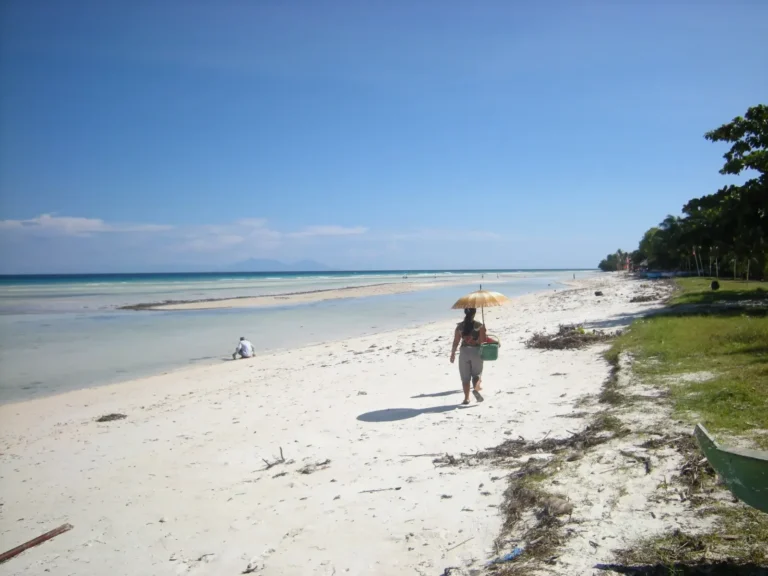
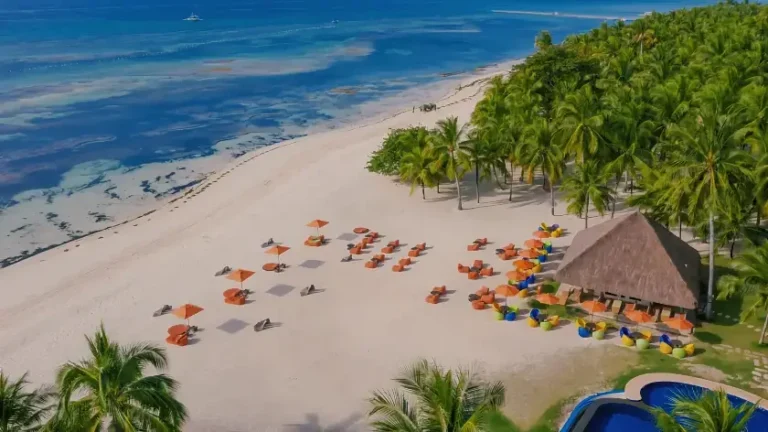
The things to do in Bohol in May are not what most travel blogs tell you. Yes, island hopping is still on — but the seas behave differently once the habagat (southwest monsoon) starts nudging in. Yes, the beaches are still there — Alona on Panglao is still beautiful at 8 am when the water is glass. But if you plan a May trip the same way you’d plan a December trip, you’ll miss what makes this month genuinely special.
This guide is for travelers who want the real picture: what changes, what stays great, and how to build a May itinerary in Bohol that actually works. Start with the Bohol Travel Guide for foundational information, then use this month-specific breakdown to plan seasonal activities. Explore Bohol Tours for guided options across all these experiences.

What May Actually Feels Like in Bohol
May is Bohol’s transition month — the last days of the hot dry season in week one, then a slow handoff to the habagat by mid-month. PAGASA classifies Bohol’s weather as a Type 3 and 4 tropical climate, which means the wet season doesn’t arrive hard and fast. It creeps in. Mornings in May are often bright and calm. By 2 or 3 pm, expect building clouds and short, sharp afternoon rain. By evening, it usually clears.
What this means practically: your best outdoor window is before noon. Plan boat trips, hill climbs, and waterfall hikes for early morning. By midday, move indoors — that’s when Bohol’s cave attractions, cultural sites, and air-conditioned restaurants earn their keep.
Temperatures sit between 26°C and 34°C. It is hot. One of the few places you’ll feel genuine relief from the heat is the Bilar Man-Made Forest on the road between Loboc and Carmen — a 2-kilometer stretch of mahogany trees planted along the highway in the 1960s. The moment you enter the canopy, the temperature drops noticeably. Locals have always noticed it: “It is hot outside the forested area, but once under the overhanging trees, one is refreshed by the cool breeze.” Manila filmmakers have used it as an action film backdrop. Locals call the winding mountain road before it the tina-i sa manok — chicken’s intestines — for the way it switchbacks up the hillside.
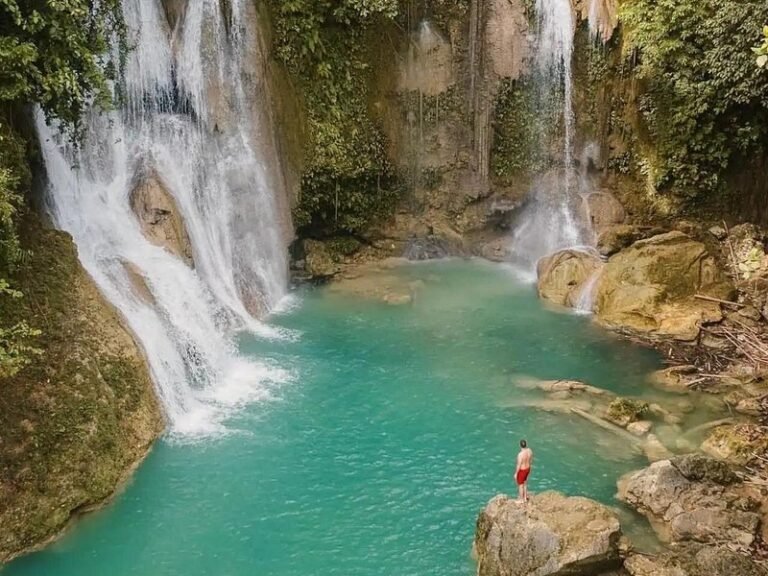
The upside of the habagat? The countryside is lush. The Chocolate Hills are at their most dramatic in May — not the brown sun-dried cones of postcard photos, but vivid green mounds rolling across Carmen. Waterfalls like Can-umantad in Candijay and Mag-aso in Antequera run at full force. For detailed May waterfall experiences, check out Discover Hidden Waterfalls in Bohol. If you’ve only seen dry-season Bohol in pictures, May will surprise you.
Labour Day in Bohol: A Quick Note for May 1 Arrivals
May 1 is Labour Day in the Philippines — a national public holiday. Government offices, most banks, and some small businesses close for the day. Wet markets in Tagbilaran and town centers typically stay open in the morning. Malls in Tagbilaran operate on holiday hours.
For getting here: the ferry terminals at Tagbilaran Port continue to run normal schedules on Labour Day. OceanJet, SuperCat, and FastCat all operate their Cebu–Bohol routes. Book ahead — the long Labour Day weekend draws domestic travelers.
Most guided tour operators run normally on Labour Day since tourism work doesn’t stop for holidays. Still, confirm with your operator at least 48 hours before departure. A quick message the day before saves headaches.
For detailed ferry information, visit the How to Get to Bohol by Ferry guide. Once you arrive, check Getting Around Bohol for transport options.
⭐ TOP PICK: Flores de Mayo and the Santacruzan
If you visit Bohol in May and miss the Flores de Mayo, you’ve missed something no beach or hill can replace.
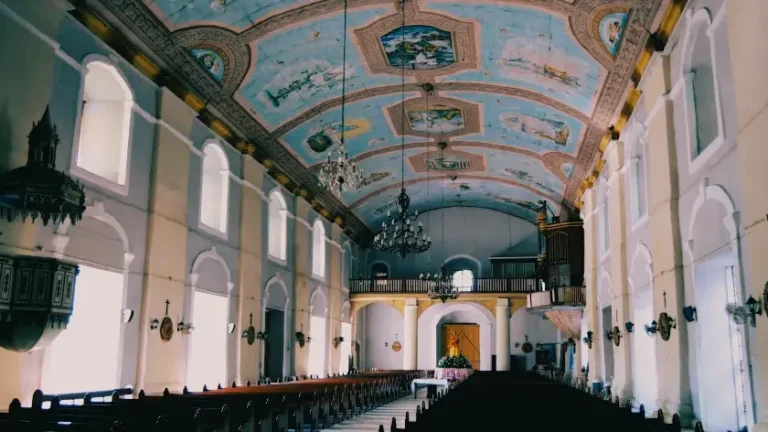
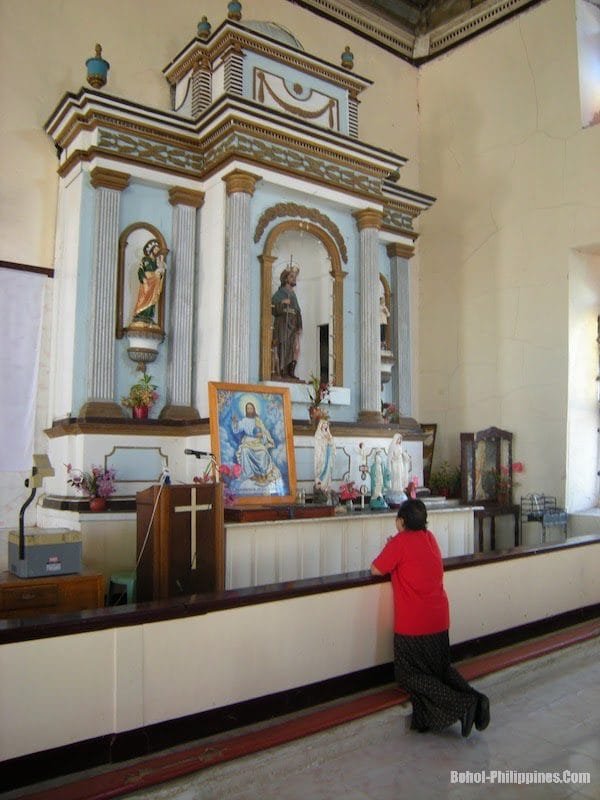
All month long, churches across Bohol’s 47 municipalities become the center of community life. Each afternoon, townspeople gather to offer flowers before the image of the Blessed Virgin Mary, say a decade of the Rosary, and participate in the Flores de Mayo novena. The air in any Bohol church during May carries the fragrant scent of assorted blooms — sampaguita, bougainvillea, roses, whatever is in season — layered over incense and candle wax.
At the Cathedral in Talibon, the Diocese seat in northern Bohol, evenings during Flores de Mayo are particularly moving. The Cathedral becomes “a flurry of activities” — flower offerings, the procession of the image of the Lady of All Nations, teenage and little girls in white representing the different Marian titles and nations of the world, the lay faithful — parents, church workers, members of organizations — all joining in. A Pontifical Mass follows, celebrated by His Excellency Most Reverend Christian V. F. Noel, D.D., Bishop of Talibon, assisted by parish priests and deacons. On one occasion the author witnessed, Bishop Noel read a homily of Pope Francis word for word, then translated it line by line into the vernacular: “She is our mother. She knows what we need. We have to turn to her for everything, for she is our mediator and Jesus never refuses his mother anything.” The crowning of the Virgin’s image at the end of Mass, followed by a shower of flower petals offered by children dressed as little angels, draws the evening to a close.
The following morning, children who attended activities throughout the month bring their paper tickets — given out at each session to record attendance — and exchange them for school supplies at a children’s bazaar, ahead of the school year opening in June. It is catechism that rewards showing up. The kids also receive refreshments.
“We happened to arrive in Tagbilaran during the last week of May and stumbled upon the Santacruzan procession one night. I’ve been to festivals all over Southeast Asia. Nothing I’d seen prepared me for how moving it was — the music, the flowers, the whole town out on the street.”
— Helene R., Solo Traveler from France ⭐⭐⭐⭐⭐
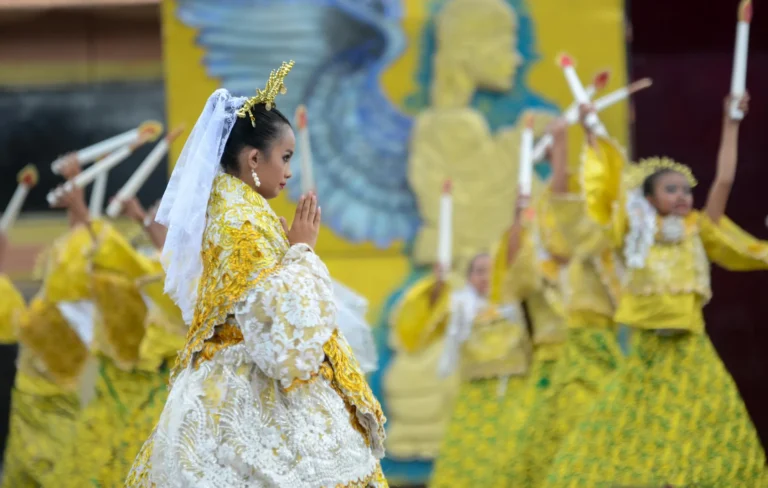
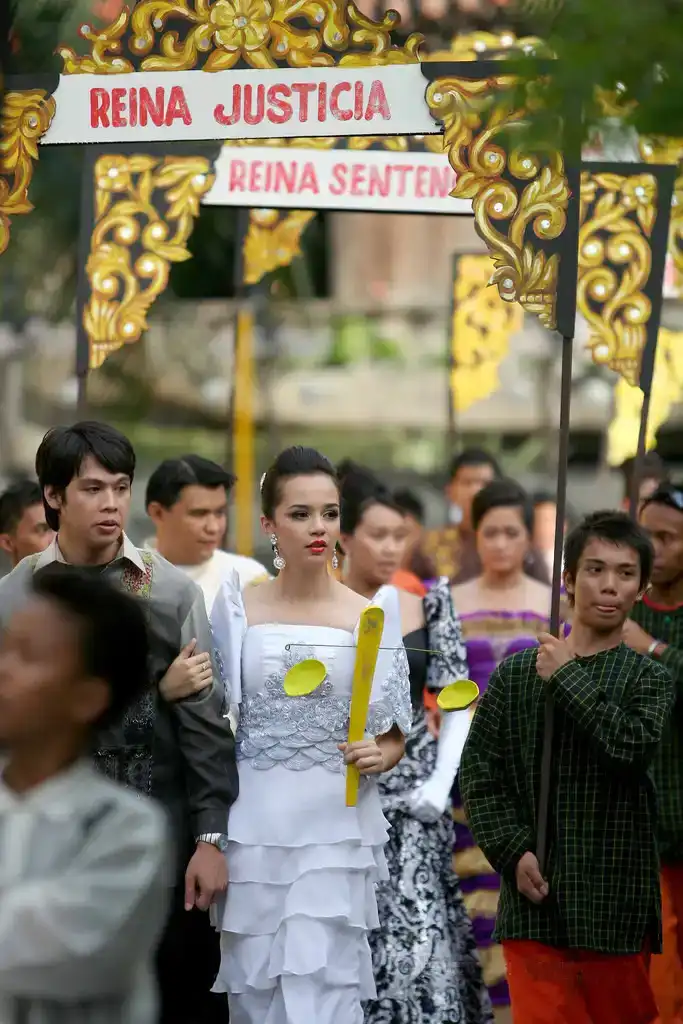
The culminating event is the Santacruzan, held on the last day of May. This religious-cultural pageant-procession re-enacts Queen Helena’s search for the True Cross. Young women in Renaissance-inspired gowns represent Reyna Elena, Reyna Fe, Reyna Esperanza, Reyna Caridad, and over a dozen other Marian and biblical titles. They process through town streets under flower-draped arches, accompanied by a brass band. It happens in every town across Bohol. You don’t need a ticket. Just be there at sundown.
For festival calendars and cultural events across the island, explore Best Bohol Festivals and Fiestas. Visitors staying in Tagbilaran can visit the Tagbilaran Cathedral for evening processions and devotions.
⭐ TOP PICK: The Chocolate Hills in Full Green Season
The 1,268 limestone mounds spread across Carmen, Batuan, and Sagbayan are at their most vivid in May. The hills are named for the dry season, when they turn brown like cacao pods under the March and April sun. But in May, they’re covered in dense grass, and the morning light on all that green — with clouds moving slowly over the mounds — is a different kind of spectacular.
There is a legend the author’s mother used to tell, different from the one in the tourist brochures: giant children played in the flatlands of Carmen, making mud cakes to see who could build the most. They were called home before they could clean up. The cakes dried in the sun and became the hills. In May, when everything is green and the clouds hang low, the legend feels entirely plausible.
The Chocolate Hills Complex in Carmen is the main viewpoint. Arrive between 7 and 9 am for the best light and fewest visitors. The 214 steps to the viewing platform are steep — wear shoes with grip, not slippers. Entrance fee: ₱50 for adults. Since May is summer school break in the Philippines, weekends can be busy with local families. Weekday mornings are significantly quieter.
An alternative worth considering is Sagbayan Peak in the western municipality of Sagbayan. It’s less visited, and the viewing deck offers a 360-degree panorama across the hills toward the Bohol Strait and beyond. There’s an air-conditioned café on site where you can wait out an afternoon rain shower in comfort.
“We visited on a Tuesday morning in mid-May. The hills were a deep, brilliant green and there was morning mist between them. I had always seen them brown in photos — this was so much better.”
— Mark and Jenny T., Couple from Singapore ⭐⭐⭐⭐⭐
✅ Go early (before 9 am) for best light and thinner crowds
✅ Weekdays over weekends during school break
✅ The green-season views are genuinely better than dry-season brown
For comprehensive coverage, visit the Chocolate Hills Tour Guide and the Chocolate Hills Hub for accommodation and detailed logistics. If you’re planning a full countryside experience, browse Best Bohol Countryside Tours for guided options.
⭐ TOP PICK: The Loboc River Cruise — Rain or Shine
Of all the things to do in Bohol in May, the Loboc River Cruise is the one least affected by habagat weather. The river is enclosed on both sides by dense tropical jungle. Whether it rained at 3 am or at 3 pm the day before, the river runs calm and the floating restaurant keeps its schedule.
In fact, May rain makes the Loboc look more dramatic: the water level rises, the walls of green on either bank deepen in color, and mist rises from the surface in the early mornings. The cruise runs for about 1.5 hours through the emerald river, with a Filipino buffet — rice, grilled fish, chicken adobo, local vegetables — and live folk music on board. At the riverbank, children from the town often play in the shallows. May is summer school break, so Loboc is lively with local families on day trips.
The cruise departs from the landing near Loboc town, about 23 km from Tagbilaran along the main highway. Most countryside tours from Tagbilaran or Panglao include it as a half-day stop.
On the way from Tagbilaran, the route passes through the Bilar Man-Made Forest — that 2-kilometer mahogany tunnel described above. Stop and walk the edge of the road for a few minutes. The tree roots protrude from the earth and crawl over boulders “like tentacles of a giant octopus.” The temperature difference is immediate and real.
For detailed river experiences, consult the Loboc River Cruise Guide and Loboc Travel Guide.
🔗 Compare Bohol countryside packages on Klook — many include Tarsier and Loboc →
The Tarsier Sanctuary in Corella
May’s morning hours — before the heat peaks — are ideal for visiting the Philippine Tarsier and Wildlife Sanctuary in Corella. This 134-hectare forest reserve is where the world’s smallest primates live and breed in their natural habitat. Called mamag or malmag in Bisaya, tarsiers are barely 10–15 cm tall and belong to one of the oldest primate lineages on Earth.
Arrive early. The sanctuary opens at 8 am, and smaller morning groups mean a quieter, more immersive walk along the forest trail. The tarsiers are nocturnal, so they rest during the day — eyes half-closed, clinging to small saplings in the shade. Never touch them, never use flash. The guides are serious about this, and they should be. The sanctuary is about 12 km from Tagbilaran City and is a standard stop on most countryside tour routes.
For more details, visit the Tarsier Sanctuary Guide in Corella.
Cave Adventures: Hinagdanan and Beyond
May is a rewarding month for Bohol’s caves. Hinagdanan Cave on Panglao Island — in Bingag, Dauis, about 10–15 minutes from Alona Beach — sits over an underground pool fed by natural springs. As the wet season approaches, water levels rise and the pool deepens, making it excellent for a swim. The name Hinagdanan means “laddered” in Cebuano, for the steep concrete steps you descend to reach the cavern floor. Shafts of sunlight break through natural holes in the limestone ceiling, hitting the water at angles that turn it a deep blue-green. On a 33°C May afternoon, this cave is genuinely refreshing.
Bohol has an extensive network of limestone caves beyond Hinagdanan — many in the Rajah Sikatuna Protected Landscape, others tucked into the hillsides of Carmen and Sierra Bullones. May is a good time to explore them: the interiors are naturally cool, the caves are moist but not flooded, and you’ll have them largely to yourself.
Detailed cave guides:
🔗 Book your Anda Bohol cave and waterfall tour on GetYourGuide — cave swims and rice terraces in full green →
Cave pools stay refreshingly cool all year — but May is the sweet spot before crowds arrive. Book your Anda Bohol adventure on GetYourGuide for cave swims, waterfalls, and terraced rice fields in full green.
Bohol Bee Farm and Slow Inland Days
For a quieter morning away from the main countryside circuit, the Bohol Bee Farm in Dao, Panglao, is worth a few hours. This organic farm sits on a hillside above the Bohol Strait, surrounded by gardens of herbs, edible flowers, and vegetables. The farm-to-table restaurant serves the Boholano Platter — a sampler of local dishes — alongside house-made malunggay ice cream and organic salads.
May is a particularly good time to visit because the gardens are lush and producing well in the early wet season. The sea breeze off the strait cools the hilltop terrace, and on a clear May morning, the views are wide and undisturbed.
For accommodation and agritourism options across the island, explore Eco-Resorts and Farm Stays in Bohol.
Island Hopping in May: The Honest Picture
May island hopping from Alona Beach to Balicasag Island and the Virgin Island sandbar is absolutely possible — but it runs on the morning window. The habagat brings southwesterly winds that build the seas from late morning onward. Most reputable operators monitor conditions and make their call each morning. If they say it’s too rough for the sandbar, trust them. On calm May mornings — and there are many — the water between Panglao and Balicasag is still the clear, turtle-filled reef destination it always is.
Book with an operator who offers weather-based rescheduling, and target early departures (6–7 am). Avoid booking non-refundable island hops too far in advance without that flexibility built in.
“We went island hopping in the first week of May. The operator called at 5:45 am to say the sea was good, we left at 6:30, and the water was perfect. Saw three sea turtles at Balicasag. Just keep your schedule flexible and you’ll be fine.”
— Carl and Mia B., Family from Manila ⭐⭐⭐⭐⭐
For comprehensive island guides and tour options:
🔗 Reserve your Panglao island hopping tour on Klook
The first two weeks of May are your window — seas are still calm enough for dolphin watching and snorkelling around Panglao and Balicasag. Reserve your island hopping tour on Klook and lock in early before the habagat sets in.
Practical Tips for Visiting Bohol in May
Getting to Bohol: Fast ferries from Cebu City to Tagbilaran take approximately 2 hours and cost from ₱350 (economy). OceanJet, SuperCat, and FastCat run multiple departures daily — book ahead for the Labour Day weekend. Bohol–Panglao International Airport (TAG) handles direct flights from Manila and Cebu Pacific connections.
Best time of day: 6–11 am is your primary outdoor window. Most afternoon rain clears by 5–6 pm, making sunset hours pleasant again for walks and beach time.
What to pack: Lightweight cotton or linen clothes, a packable rain jacket, comfortable shoes with grip (for the Chocolate Hills steps and forest trails), insect repellent for the Tarsier Sanctuary and waterfall walks, sunscreen for morning boat trips.
Hotel rates: May rates in Panglao and Tagbilaran typically run 20–30% lower than peak season (December–March). Good availability across budget, mid-range, and luxury options.
Bohol hotel rates drop significantly in May — lock in the best deal before you travel by comparing prices on Booking.com and Agoda.
School summer break: Philippine schools are on vacation from April through June. Weekends in May bring more local families to the Chocolate Hills, Hinagdanan Cave, and Loboc. If crowds matter to you, visit major sites on weekdays.
Cultural respect during Flores de Mayo: If you enter a church during novena prayers or the Santacruzan procession, dress modestly — shoulders covered, no shorts. Filipinos are welcoming of respectful visitors. Avoid flash photography during religious ceremonies.
For more practical guidance:
Frequently Asked Questions — Things to Do in Bohol in May
Is May a good time to visit Bohol?
Yes, especially if you value authentic cultural experiences and don’t mind afternoon showers. May marks the start of the habagat transition — mornings are bright, but expect rain by 2 or 3 pm. The upside: greener landscapes, lower prices, and far fewer foreign tourists. The Chocolate Hills turn vivid green, waterfalls swell, and every church celebrates Flores de Mayo. Plan your outdoor activities for early morning and move indoors for afternoons.
What is Flores de Mayo and where can I see it?
Flores de Mayo (“Flowers of May”) is a month-long Catholic devotion held in every town across Bohol’s 47 municipalities. Each afternoon, locals gather at their parish church to offer flowers, pray the Rosary, and sing novenas honouring the Blessed Virgin Mary. The month climaxes on May 31 with the Santacruzan — a colourful religious procession featuring young women in Renaissance gowns representing Marian figures, accompanied by brass bands and flower-draped arches. You don’t need a ticket; just show up at sunset. Tagbilaran and Talibon have particularly well-attended celebrations.
Can you go island hopping in Bohol in May?
Yes, but book early departures (6–7 am) and stay flexible. The habagat brings southwesterly winds that build rough seas from mid-morning onward. Most good operators monitor conditions daily and reschedule if needed. Calm May mornings are common, and the water between Panglao and Balicasag is as clear and turtle-filled as ever. Book with operators offering weather-based rescheduling — your flexibility is your protection.
Are the Chocolate Hills worth visiting in May?
Absolutely — arguably more so than in dry season. The 1,268 limestone mounds are covered in deep green grass in May, replacing the brown of the dry season. Morning mist between the hills is particularly striking. Visit before 9 am on a weekday for the best light and thinner crowds. See more at our Chocolate Hills hub.
What is the weather like in Bohol in May?
Temperatures range from 26°C to 34°C. The first week is typically dry and hot. From mid-month, the habagat brings afternoon thunderstorms that are short and cooling. Mornings remain sunny. A packable rain jacket is sufficient preparation — May weather is not reason enough to cancel your trip. Plan your mornings outdoors and afternoons indoors.
Is Bohol crowded in May?
Not with foreign tourists — May is outside peak international season. However, Philippine schools are on summer break, so local family travel increases. Expect more visitors at the Chocolate Hills, Hinagdanan Cave, and Loboc River on weekends. Weekday visits are significantly quieter. Book major attraction visits for weekdays if crowds matter to you.
How do I get to Bohol in May? Does the habagat affect ferry travel?
The fast ferry from Cebu City to Tagbilaran (roughly 2 hours, 72 km) runs normally throughout May. Strong habagat storms can delay or cancel departures — rare in May but worth confirming on the morning of travel. OceanJet, SuperCat, and FastCat all operate on Labour Day (May 1). Book at least 3–6 weeks ahead to secure your passage. See our transportation hub for detailed ferry booking guides.
What cultural etiquette should I know for May in Bohol?
If you attend Flores de Mayo prayers or the Santacruzan procession, dress modestly — covered shoulders, no shorts. Don’t use flash photography in churches or during religious ceremonies. If locals offer snacks during the novena, accept graciously; it’s an act of devotion, not commerce. A respectful presence is always welcomed. Learn a few Bisaya words like salamat (thank you) and maayong buntag (good morning).
What are the best daylight hours in May?
Your best outdoor window is 6 am to noon. Book boat trips, hill climbs, and waterfall hikes for early morning. By 2 or 3 pm, clouds build and rain moves in — that’s when caves, cultural sites, and restaurants earn their worth. By evening, skies usually clear, making sunset walks and beach time pleasant again.
What should I pack for a May trip to Bohol?
Lightweight cotton clothes, a packable rain jacket, comfortable shoes with grip (for the Chocolate Hills steps), insect repellent for forest walks, and reef-safe sunscreen for morning boat trips. Consider a light scarf for church visits. May rates are 20–30% lower than peak season, so you can stretch your budget across more activities or longer stays. See our travel essentials hub for detailed packing lists.
Which Bohol attractions are best in May?
Don’t miss Flores de Mayo and the Santacruzan procession (May 31). The Chocolate Hills are at their most vivid green. The Loboc River Cruise is unaffected by weather — rain actually makes the jungle more dramatic. Hinagdanan Cave swims are excellent as water levels rise. The Tarsier Sanctuary is quieter than peak season. Island hopping to Balicasag and Virgin Island works with early departures. See things to do in Bohol for a complete monthly guide.
How do I book accommodation and tours for May?
Book ferries 3–6 weeks ahead. Hotels have good availability in May with rates 20–30% lower than peak season. Tours and experiences can be booked through GetYourGuide, Klook, or directly with operators at Alona Beach. For island hopping, arrange the evening before with your hotel or a dive shop — this keeps costs down and gives your boatman time to monitor weather for morning departures.
Have more questions about travelling to Bohol? Visit our complete Bohol FAQ for answers to the most common questions travellers ask.
Make the Most of Bohol in May
May in Bohol rewards the traveler who pays attention. The mornings are bright and warm, the Chocolate Hills are their most vivid green, every church in every municipality is alive with flowers and daily devotion, and the crowds are thin enough that you can take your time at the places that matter. You won’t get the weather certainty of December or January — but you’ll get something most visitors to this island never see: Bohol at its most authentically itself.
Whether you planned these things to do in Bohol in May months in advance or found yourself booking a last-minute trip, the island will give you more than you came for. Get up early, stay flexible on afternoons, and let the Santacruzan procession find you.
Explore the 77 Things to Do in Bohol and Cebu for expanded activities. Book accommodations through our Bohol Hotels hub, and consult the full Bohol Travel Guide and Bohol Tours for complete planning.
May is one of the best months for firefly watching — the start of the wet season means lush riverbanks and peak activity along the Abatan and Loboc rivers. Book your evening firefly tour on GetYourGuide for a genuinely
unforgettable end to the day.
Support our site by booking through our trusted affiliate partners. When you use the links in this article, we earn a small commission at no additional cost to you. This helps us keep our content free and our guides updated for travelers visiting Bohol.