
Tagbilaran City Travel Guide
Tagbilaran City, Bohol: Ferry, Hotels & City Guide
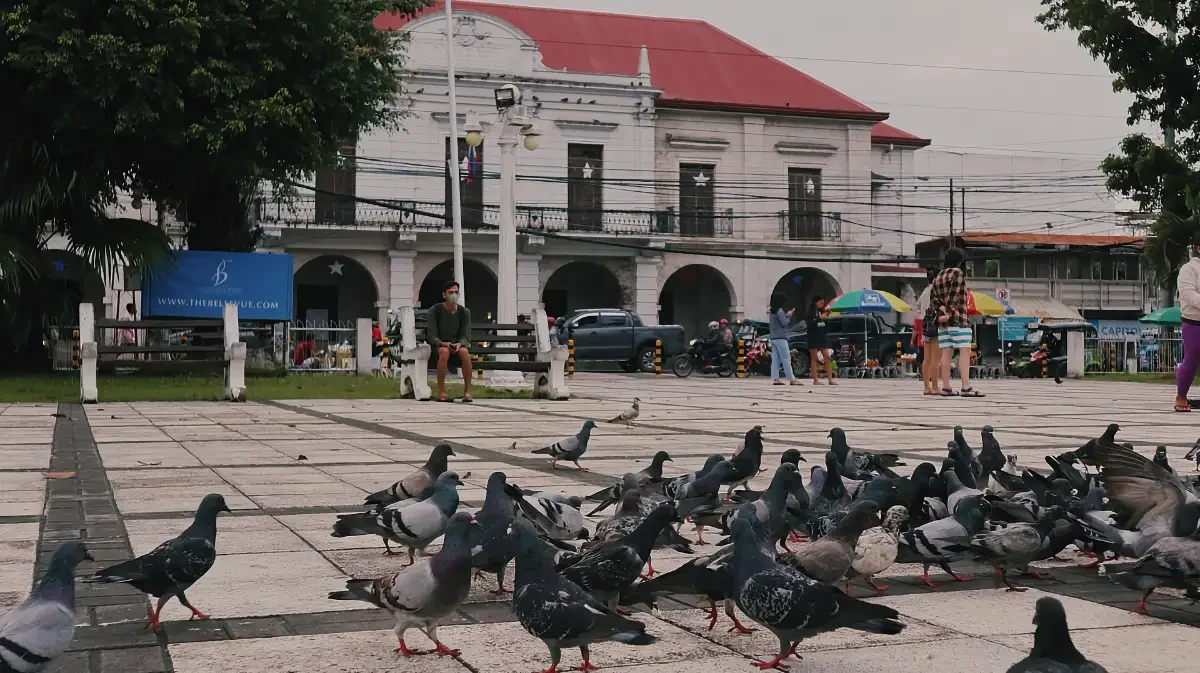
Welcome to Tagbilaran City
Tagbilaran is Bohol’s beating heart and the first face most visitors see. As the capital and only city of the province, it’s a busy port town of about 120,000 people—the largest urban center you’ll find here, according to the Philippine Statistics Authority. For me, coming back to Tagbilaran always feels like coming home. It’s where you arrive by ferry from Cebu, where you catch your breath, grab good coffee, and decide what adventure comes next.
This city is a crossroads. It’s practical and unpretentious. You’ll see tricycles (trisikad) weaving through streets, buses loading passengers heading to Chocolate Hills or Panglao Island, and shoppers browsing the market for peanut kisses to take home. Tagbilaran isn’t a resort destination—it’s the gateway. But it has character. It has history. The Blood Compact happened here in 1565, a pact of brotherhood between Spanish explorer Miguel Lopez de Legazpi and Rajah Sikatuna that changed the course of Philippine history. You can stand at the shrine and imagine that moment.
What strikes visitors most is how accessible everything feels. Ten minutes from the port, you’re browsing heritage churches. Thirty minutes by van, you’re gazing at the Chocolate Hills. The port runs smoothly. The people are warm. And once you’ve used the ferry a few times and eaten at Gerarda’s, you understand why locals call Tagbilaran the gateway—it’s not just about arrival, it’s about belonging.
“Stepped off the ferry nervous about arriving in a new place, and within 20 minutes I’d had a warm conversation with a tricycle driver, been welcomed by hotel staff, and felt completely at home. Tagbilaran is welcoming in a way that made my whole Bohol trip better.” — Maria T., Manila ⭐⭐⭐⭐⭐
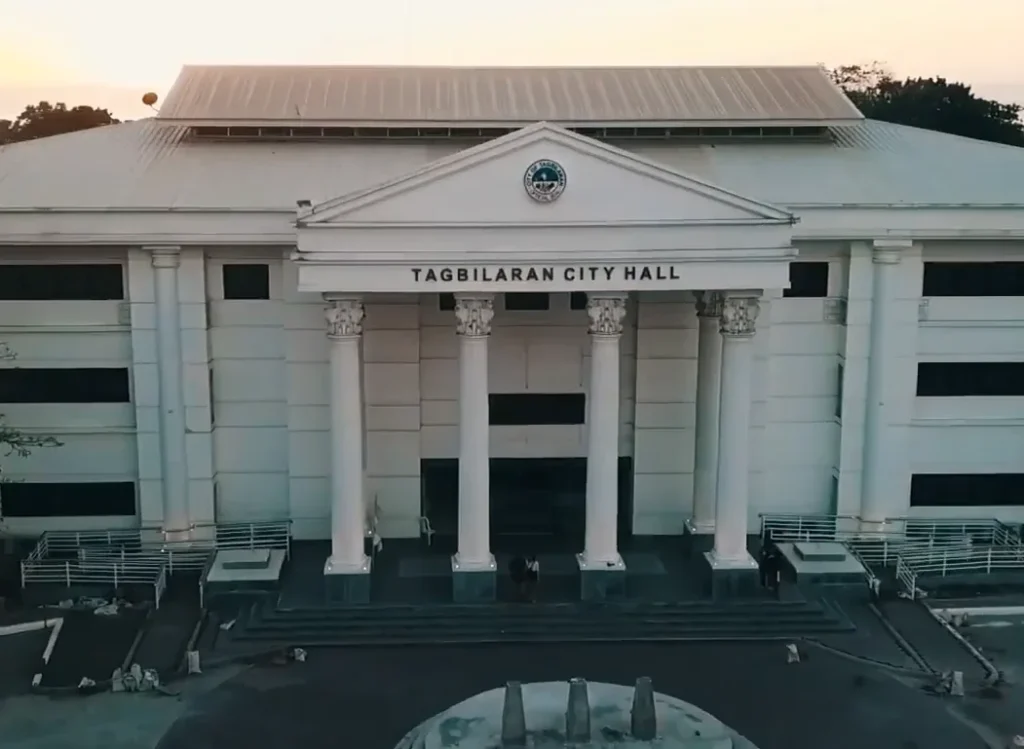
Getting to Tagbilaran — The Ferry from Cebu
The ferry from Cebu City to Tagbilaran is your most direct route into Bohol, and honestly, it’s a pleasant crossing. The distance is roughly 72 kilometers, and the journey takes about 2 hours on a FastCat, OceanJet, or SuperCat vessel. These are the main operators, and they run multiple daily trips—usually every couple of hours during peak times. Before you travel, check the Bohol travel essentials guide for visa requirements, packing tips, and everything else that makes a Bohol trip go smoothly.
Ferry Basics:
The port in Cebu (North Pier or Pier 3, depending on the operator) gets busy, especially during holidays and peak season. Book your ticket in advance if you’re traveling during Sandugo Festival in July, when Tagbilaran swells with visitors celebrating the annual blood compact commemoration. You can book online through the operator websites or at the port itself. One-way fares typically range from 450 to 550 Philippine pesos (₱) depending on the ferry company and cabin type—economy is standard and perfectly fine for a 2-hour trip.
On the day of travel, arrive 30 minutes early. The boarding process is organized but can feel crowded during rush hours. Bring your ID or passport. If you’re taking a vehicle, additional fees apply, though most day-trippers travel as foot passengers. Once aboard, you can sit on the main deck or find an air-conditioned cabin. The sea can get a bit choppy during monsoon season (June to October), so if you’re prone to motion sickness, sit forward and look at the horizon—or take a tablet beforehand.
As you approach Tagbilaran, you’ll see the coastline come into view: low buildings, coconut palms, and the bustling port. It’s a moment that signals you’ve arrived in Bohol.
Alternative: Panglao International Airport
If you’re flying, Panglao International Airport (opened in 2018) is located about 10 kilometers from Tagbilaran City center and roughly 5 kilometers from Panglao Island. Flights from Manila, Cebu, and other major cities arrive here. From the airport, a taxi or van to Tagbilaran City takes 30 to 45 minutes. Many tourists fly straight to the airport and head to Panglao’s beach resorts, but if you’re exploring the interior attractions or need to base yourself near the port, Tagbilaran is just a short ride away.
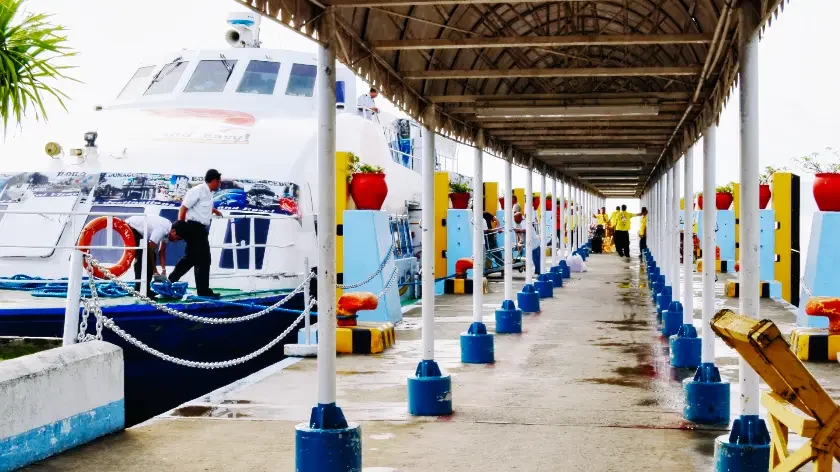
Arriving at the Port — Your First Hour in Bohol
The first thing you’ll notice stepping off the ferry is the energy. The Ceres Port (officially Tagbilaran Port) is well organized compared to many Philippine ports. Baggage handlers stand ready, tricycle drivers wave signs, and representatives from hotels and tour operators hold clipboards. It’s controlled chaos, but in a good way.
From Port to City Center:
Once through the ferry terminal, you have a few options. The most practical for first-timers is a tricycle to the city center or to the Dao Integrated Bus Terminal (about 2 kilometers from the port). Tricycles are motorized three-wheeled vehicles that are the backbone of local transport—they’re cheap, reliable, and fun. From the port to downtown, a tricycle costs about 50 to 100 pesos per person, depending on where you’re headed. If there’s a group of you, sharing makes sense. If you’re alone or with one other person and your bags aren’t heavy, it’s a pleasant 10-minute ride through town.
The Dao Terminal is your next stop if you’re catching a van onward to Panglao, Chocolate Hills, Loboc, or Anda. From there, comfortable vans depart regularly throughout the day. Fares are typically 100 to 200 pesos depending on destination, and rides take 1 to 1.5 hours on decent roads.
First-Timer Tips:
Don’t exchange money at the port if you can help it—rates aren’t great. There are ATMs scattered throughout town, and banks are open until 3 p.m. Get a local SIM card at the port or at any sari-sari store (small convenience shop) in the city. Globe and Smart are the main networks, and data is cheap. Have your hotel’s address written down or saved in your phone—it helps when giving directions to tricycle drivers. And don’t hesitate to ask locals for directions; Boholanos are genuinely helpful.
Getting Around Tagbilaran City
Tagbilaran is walkable in parts, but distances can surprise you. The city spreads more than you’d think for a population of 120,000. Here’s what you’ll use to move around:
Jeepneys: These colorful vehicles are the backbone of cheap public transport. They follow fixed routes and cost 8 to 10 pesos per ride. They’re crowded, festive, and slow, but genuine. You’ll see jeepneys clustered near the market and major intersections. Just flag one down if it’s headed your way.
Tricycles: For short distances or when you’re not sure where you’re going, tricycles are your friend. A ride across town costs 40 to 100 pesos. They’re faster than jeepneys and usually have a dedicated waiting area near major hotels and the port.
Car Rental: If you’re staying a few days and want independence, car rental shops operate near the city center and at Panglao Airport. Daily rates run 1,200 to 2,000 pesos for a basic compact car, not including fuel and insurance. Roads to nearby attractions are decent—you’ll handle them fine if you’re comfortable driving in Southeast Asia.
Walking: The downtown area around the Cathedral and market is walkable. So is the stretch toward the waterfront. But walking to attractions 5+ kilometers away (like Baclayon Church or the Blood Compact Shrine) isn’t practical—use a tricycle or join a guided tour.
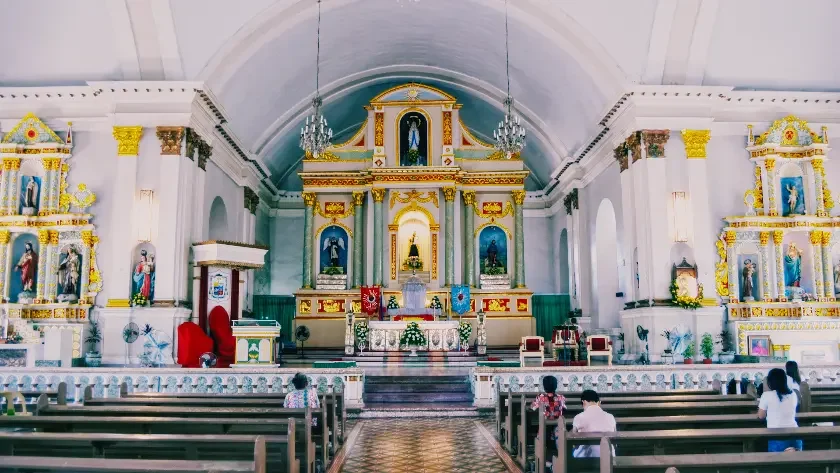
Heritage and Culture in Tagbilaran
Tagbilaran’s identity is rooted in history, and the heritage sites tell that story.
Blood Compact Shrine
Three kilometers from the city center stands one of Bohol’s most iconic monuments, the Blood Compact Shrine in Bohol. On March 16, 1565, Spanish explorer Miguel Lopez de Legazpi and Rajah Sikatuna drew blood from their arms, mixed it with wine, and drank from a cup as a pact of friendship. It was a moment that would shape the Philippines’ colonial history.
“The Blood Compact Shrine and Baclayon Church gave me such a deeper understanding of Bohol’s history. Standing at that monument, imagining what happened in 1565, was a moment I won’t forget. These aren’t just tourist sites—they’re living connections to the past.” — James K., Brisbane ⭐⭐⭐⭐⭐
The shrine features a powerful sculpture by Napoleon Abueva—born in Tagbilaran itself and recognized by the National Museum of the Philippines as the “Father of Modern Philippine Sculpture.” The monument shows five life-sized figures gathered around a table with Legazpi and Sikatuna at the center, raising their glasses in a toast. The detail is remarkable—you can see the conviction in their faces, the solemnity of the moment. A small garden surrounds it, perfect for photos and reflection. Admission is minimal or free. A tricycle ride there costs about 80 pesos; allow an hour for the visit.
Baclayon Church
Just 5 kilometers away (a 10 to 15-minute tricycle ride), the Baclayon Church travel guide covers everything you need to know about this remarkable site. Built starting in 1595 using coral stone, it’s considered the oldest church in Bohol. Walking through its thick stone walls feels like stepping into centuries past. The interior is simple but atmospheric, with wooden beams and fading frescoes hinting at centuries of Sundays and celebrations.
What amazes me most are the wooden benches, carved in low relief with genre scenes—a tied goat, a coconut, a nipa grove, a man in stocks. These aren’t grand artistic statements, but they’re proof that someone, some craftsman 400+ years ago, cared enough to carve stories into wood for people to see. The church complex includes a small museum and monastery grounds. Local guides are usually available for small donations. It’s not a major attraction, but it’s genuine and moving.
Tagbilaran Cathedral
In the heart of the city stands the Tagbilaran Cathedral, a smaller but important place of worship with its own architectural presence. It’s a focal point for locals, especially on Sundays. If you’re in town on a weekend, attending Mass here offers insight into daily Boholano life.
Bohol National Museum
Located in the city center, the Bohol National Museum exhibits house archaeological finds, historical documents, and artifacts reflecting Bohol’s pre-colonial and colonial periods. It’s modest but worthwhile if you want deeper context about the Blood Compact and local history.
Sandugo Festival (July)
Tagbilaran’s biggest annual celebration is the Sandugo Festival, held every July. The name itself means “blood compact” in Cebuano. The streets fill with vibrant colors, rhythmic dances, and floats adorned with intricate designs, accompanied by xylophones, drums, and trumpets. The entire city celebrates—parades, street food, performances, and a genuine sense of community pride. If you’re planning to be in Bohol during July, book accommodation early. Many tourists converge for this festival, and hotels fill fast.
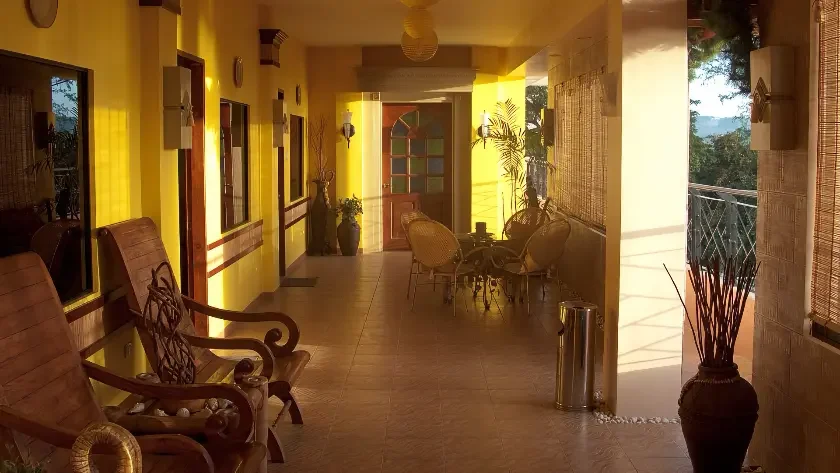
Where to Stay in Tagbilaran
Most tourists base themselves in Panglao Island or the Chocolate Hills area, but Tagbilaran has its place: it’s useful if you’re arriving by ferry and want to acclimatize, if you’re catching an early ferry back to Cebu, or if you’re visiting during Sandugo Festival and need a central location.
Hotel Options:
Tagbilaran has budget and mid-range hotels, not luxury resorts. If you’re watching your budget, browse the list of affordable Tagbilaran hotels for solid options at 600 to 1,200 pesos per night—clean rooms, reliable WiFi, and easy port access. For travelers arriving by ferry who want a short walk to the terminal, the roundup of hotels near Tagbilaran Port covers the best choices near the ICM Port area. Mid-range options run 1,500 to 2,000+ pesos per night with air conditioning, decent breakfasts, and attentive staff. Many are family-run and unpretentious.
Expect clean rooms, helpful staff, and reasonable amenities. You won’t find the beachfront experience of Panglao here, but you will find authenticity and practicality. Book in advance during holidays and especially during Sandugo Festival.
If you prefer to stay near the airport, Panglao Island accommodations are closer and more resort-oriented—that’s the main tourism accommodation hub for the province.
Where to Eat in Tagbilaran
Food in Tagbilaran is real and unpretentious. You’ll eat like a local here, and that’s the point.
Gerarda’s Restaurant
Housed in a beautiful old house tastefully renovated and decorated with vintage memorabilia and art pieces, Gerarda’s is Tagbilaran’s most beloved restaurant. The warm atmosphere makes it perfect for a romantic dinner or a family gathering. The food is Filipino comfort cuisine—fresh fish, chicken, pork, and vegetables prepared the way home cooks have done for generations. The lechon (roasted pig) is reliable. Prices are moderate, and service is attentive. It’s a place where both tourists and locals eat, and that’s always a good sign.
The Buzzz Café
This colorful and eclectic building decorated with vintage and pop culture memorabilia is a Tagbilaran fixture. It’s casual, fun, and unapologetically quirky. The menu includes creative twists on Filipino classics: a Bangus burger (milkfish burger), kesong puti pizza (white cheese pizza), and longganisa pizza (local sausage pizza). It’s the kind of place where you sit at a communal table, strike up conversations, and leave with new friends. Coffee and pastries here are solid too—great for breakfast.
Market Food and Local Favorites
For authentic, cheap food, head to the wet market near the city center. You’ll find freshly cooked fried fish, grilled meat skewers, noodle soups, and rice plates for under 100 pesos. Kinilaw (raw fish cured in vinegar and coconut milk) is a local specialty worth trying. Filipino breakfast culture—rice, fried eggs, sausage (longganisa), and coffee—is everywhere and costs about 120 to 150 pesos.
Pasalubong (Gifts to Take Home)
Before leaving Tagbilaran, grab pasalubong for family and friends back home. Peanut kisses (small candies coated in peanuts) are Bohol’s famous souvenir—they’re sweet, portable, and beloved. Shops near the port and market sell them in boxes. Also look for dried mangoes, local chocolates, and coconut candies.
Day Trips from Tagbilaran
Tagbilaran’s real magic is as a launching point for Bohol’s interior attractions. Here’s what you can reach in a few hours:
Chocolate Hills (Carmen) — 45 to 50 kilometers, 1 to 1.5 hours
These 1,268 limestone hills are iconic. From the viewing platform at the main tourist site, you see them rolling across the landscape like a chocolate landscape. The drive is scenic, passing through rice fields and small towns. Vans from the Dao Terminal run regularly. Entrance fee is around 75 pesos. Allow 2 to 3 hours total including the drive and viewing time. The Chocolate Hills guide has everything you need on geology, viewing tips, and opening hours.
Panglao Island and Alona Beach — 50 kilometers, 1 to 1.5 hours
Panglao is Bohol’s beach destination. Alona Beach is the main tourist hub—white sand, clear water, dive shops, and resorts. The drive passes through rural Bohol; the road is decent. Vans cost about 120 to 150 pesos. Alona is busier than authentic, but the water is beautiful, and the diving is legitimate. Read the Panglao Island guide and Alona Beach guide for resort picks and beach tips.
Loboc River — 50 to 60 kilometers, 1.5 hours
The Loboc River is Bohol’s most popular river cruise destination. Bamboo rafts drift downriver while you enjoy a seafood lunch cooked onboard. The experience is touristy but genuinely pleasant. Vans from Dao Terminal go regularly. Tours are bookable through hotels or at the port. The Loboc travel guide covers cruise options, firefly tours, and what to expect.
Baclayon Church — 5 kilometers, 10 to 15 minutes
Already described above—but worth the short tricycle ride from the port or city center if you have time.
Man-Made Forest (Bilar) — 40 to 45 kilometers, 1.5 hours
A shaded avenue of mahogany and other planted trees creates a tunnel effect—peaceful and cool on a hot day. It’s a quick stop, usually paired with Chocolate Hills on combination tours.
Anda (East Coast) — 90 kilometers, 2.5 to 3 hours
If you want something less touristy, the east coast town of Anda offers white beaches, a quieter vibe, and calamansi (small citrus) farms. It’s a longer drive but rewarding if you’re spending a full day exploring. The Anda Bohol guide covers beaches, resorts, and getting there independently.
For most day trips, catch a van from the Dao Terminal or arrange a tour through your hotel. Prices are cheap and vehicles are reasonably comfortable. Many tours from Cebu also include Tagbilaran’s heritage sites, making ferry + land tour a popular combination for long weekends.
Practical Services in Tagbilaran
You’ll find what you need in the city:
Money: ATMs are plentiful near the port, city center, and major intersections. Major banks (BDO, Metrobank, Security Bank) operate until 3 p.m. Money exchange services are available at the port, though rates are better in the city proper.
Communications: Get a local SIM card (Globe or Smart) at the port or any sari-sari store. Prepaid mobile data is cheap and reliable—1 GB for about 50 to 100 pesos.
WiFi: Hotels offer WiFi, and cafes like The Buzzz Café have free WiFi for customers. Speeds are reasonable by Philippine standards.
Pharmacy and Medical: Mercury Drug (national pharmacy chain) and local pharmacies dot the city. Dr. Jorge P. Royeca Hospital is the main medical facility. For minor issues, pharmacists can recommend over-the-counter solutions.
Ferry Returns to Cebu: If you’re planning to return to Cebu, book your ferry ticket at least one day in advance, especially during peak times. Operators often have afternoon and evening departures. The return crossing is just as pleasant as the outbound journey.
Markets: The City Market near downtown is the main hub for groceries, fresh produce, and local goods. It’s busy, authentic, and a cultural experience in itself.
Plan Your Tagbilaran Gateway
Tagbilaran City isn’t a destination you stay for weeks. It’s a threshold. You arrive by ferry, feel the energy of Bohol, eat good food, maybe visit a heritage site or two, and then move onward to Panglao’s beaches or the Chocolate Hills’ vistas. But that threshold experience matters. It’s where you meet Bohol first, where locals welcome you, where you realize this province isn’t just a tourist destination—it’s a home to people who live here with pride.
Whether you have an hour layover or a full day, Tagbilaran offers something genuine. The Blood Compact Shrine reminds you that history happened here. Baclayon Church shows you how faith endured centuries. Gerarda’s and The Buzzz Café feed you like friends. And the port—busy, organized, warm—welcomes you back each time you return.
I always book a return ferry knowing I’ll be back. That’s the mark of a good gateway: it makes you want to return. Tagbilaran does that.
For more about exploring the broader province, check the Bohol travel guide. If you’re combining a Cebu visit with Bohol, the how to get to Bohol by ferry guide covers all transport options. The things to do in Bohol hub has detailed guides to attractions throughout the province.
Frequently Asked Questions — Tagbilaran City, Bohol
How do I get from Cebu to Tagbilaran by ferry?
Book a ticket with FastCat, OceanJet, or SuperCat — the three main fast-ferry operators on the Cebu–Bohol route. Ferries depart from Cebu North Pier or Pier 3 multiple times daily. Arrive thirty minutes before departure and bring your ID. One-way economy tickets cost ₱450–550. The crossing is smooth most of the year; pack motion sickness medication if you’re traveling June to October when the seas can be rougher. For full schedules, operators, and how to book, see our Cebu to Bohol ferry guide.
Where is the ferry port in Tagbilaran?
The Ceres Port (Tagbilaran Port) sits on the waterfront, about two kilometres from the city centre. It’s well organized with clear signage, baggage handlers, and transport options — tricycles, vans, and private transfers — waiting just outside the terminal. After clearing the arrival gate, you’re already in the main commercial area of the city. ATMs are nearby. Tricycles to the Dao Integrated Bus Terminal (your hub for onward vans to Panglao, Chocolate Hills, or Loboc) cost ₱50–100 and take about ten minutes.
How long is the ferry from Cebu to Tagbilaran?
The fast ferries (FastCat, OceanJet, SuperCat) cover the roughly 72-kilometre crossing in about two hours. These vessels have economy and cabin seating, air-conditioning, and comfortable ride standards for a two-hour trip. Slower RoRo (roll-on/roll-off) ferries take five to seven hours but are less commonly used by foot passengers. For most visitors, the fast ferry is the obvious choice: quick, affordable, and pleasant — especially when the sea is calm during the dry season (November to May).
How much does the Cebu to Tagbilaran ferry cost?
One-way economy fares run ₱450–550 per person depending on the operator. Business class and cabin options are available at slightly higher rates. Vehicles carried on RoRo ferries cost ₱1,500–3,000+ depending on size. Round-trip tickets occasionally offer small discounts. Book in advance for peak periods — Holy Week, Sandugo Festival in July, and the December–February peak season. You can book online through operator websites or at the pier. Prices are reasonable and represent good value for a two-hour sea crossing.
How do I get from Tagbilaran Port to Panglao Island or Alona Beach?
From the port, take a tricycle to the Dao Integrated Bus Terminal (₱50–100, ten minutes). Vans to Panglao depart regularly — about fifty kilometres, one to one and a half hours, ₱120–150 per person. Your resort can also arrange a private transfer from the port for ₱1,000–2,000 depending on vehicle size. For a stress-free arrival, book a transfer in advance with your resort. For the full range of ground transport options across Bohol, see our Bohol transport guide.
Is Tagbilaran worth visiting for a day trip?
Yes, if heritage and culture interest you. The Blood Compact Shrine (a powerful monument to the 1565 pact between Spanish explorer Legazpi and Rajah Sikatuna) and Baclayon Church (Bohol’s oldest coral-stone church, built 1595) are both within fifteen minutes of the port. The Bohol National Museum adds historical depth. Combine these with a meal at Gerarda’s Restaurant or The Buzzz Café and you have a genuinely rewarding half-day. Most visitors pass through Tagbilaran on the way to Panglao Island or the Chocolate Hills — but the city itself rewards a slow morning.
What are the main attractions in Tagbilaran City?
The Blood Compact Shrine features sculptor Napoleon Abueva’s life-sized bronze monument to the 1565 blood pact — one of Bohol’s most photographed heritage sites. Baclayon Church (5 km out of town) is Bohol’s oldest standing church. Tagbilaran Cathedral anchors the city spiritually. The Bohol National Museum covers pre-colonial and colonial history. In July, the Sandugo Festival fills the streets with parades, dancers, and community celebration. The city market, wet market, and local restaurants round out the cultural picture. It’s a full day if you move slowly and eat well.
Where should I stay if I have a layover in Tagbilaran?
City-centre hotels and guesthouses start at ₱600 per night for basic rooms and ₱1,500–2,500 for mid-range air-conditioned options with WiFi and breakfast. Properties near the waterfront or Cathedral are most practical for port access. Tagbilaran doesn’t have beach resorts — those are on Panglao Island, fifty kilometres away. Book ahead for July’s Sandugo Festival when the city fills quickly. For the full range of accommodation options across Tagbilaran and Bohol, see our Bohol hotels guide.
How do I get to Chocolate Hills from Tagbilaran?
From the Dao Integrated Bus Terminal (two kilometres from the port), vans run regularly to Carmen — the main Chocolate Hills viewing area. Distance is 45–50 kilometres; travel time is one to one and a half hours; cost is around ₱150 per person. Entrance to the viewing complex costs approximately ₱50–100. Allow two to three hours total for the drive and viewing. Most visitors combine the hills with the Tarsier Sanctuary and Loboc River for a full-day countryside trip. See our Chocolate Hills guide for viewpoint details and photography tips.
What are the best restaurants in Tagbilaran?
Gerarda’s Restaurant, housed in a beautifully restored heritage home, is the local favourite — Filipino comfort food, fresh fish, and reliable lechon in a warm vintage setting. The Buzzz Café is eclectic and fun: a colourful space serving creative takes on local dishes (Bangus burger, longganisa pizza, kesong puti pizza) with good coffee. For cheap authentic food, the City Market has rice plates, kinilaw (raw fish cured in vinegar), and grilled meat skewers for under ₱100. Filipino breakfast — rice, fried egg, longganisa, coffee — is available everywhere for ₱120–150.
What is the Sandugo Festival in Tagbilaran?
Sandugo (meaning “blood compact” in Cebuano) is Tagbilaran’s biggest annual festival, held every July. It commemorates the 1565 blood pact between Spanish explorer Miguel Lopez de Legazpi and Rajah Sikatuna — a moment that shaped Philippine colonial history. The celebration fills the streets with colourful parades, street dancers, live music, and floats. It’s one of the most vibrant festivals in the Visayas. If you’re planning a July visit to Bohol, build your itinerary around Sandugo — but book accommodation three to four months ahead, as Tagbilaran fills completely.
Is Tagbilaran safe for tourists?
Yes. Tagbilaran is one of the safer provincial capitals in the Philippines. Petty theft can occur in crowded areas like the market and port — keep your valuables in a bag in front of you and don’t leave phones unattended. Violent crime toward tourists is rare. The city is well-lit, and locals are genuinely welcoming to visitors. Medical facilities (Dr. Jorge P. Royeca Hospital) are available for emergencies. As with any city, common sense applies after dark. Overall, Tagbilaran is a comfortable and safe base or transit point for exploring Bohol.
Have more questions about travelling to Bohol? Visit our complete Bohol FAQ for answers to the most common questions travellers ask.
“Gerarda’s Restaurant was exactly what I needed after the ferry—fresh, comforting, and the staff treated me like family. The lechon was incredible, and the vintage decor made every bite feel special. Worth every peso.” — Anna L., Makati ⭐⭐⭐⭐
More Resources
For comprehensive planning, explore the Cebu to Bohol ferry options for all transport schedules and booking tips. The Bohol transport guide covers internal transport across the province. Looking for guided tours? Check best Bohol countryside tours and Bohol tours.
For accommodation decisions across the province, the Bohol hotels guide compares options from budget to mid-range, and the Cebu and Bohol hotels guide helps if you’re splitting your trip between both islands.
If you’re extending your trip with a combined itinerary, Cebu to Bohol day tours covers organized options departing from Cebu. Want to explore niche experiences? Best Mirror of the World Bohol tours and the Bohol birdwatching guide offer specialized adventures.