Sandugo Festival Bohol 2026: Your Complete Guide to July’s Biggest Celebration
The drums start before dawn. By 7am on the main boulevard of Tagbilaran City, the streets already smell of hairspray and warm asphalt, and a hundred sequined costumes are shimmering under the morning heat. Contingents from every high school in the city are warming up, their coaches shouting last-minute corrections over the thrum of xylophones and snare drums. If you’ve ever watched thousands of people move in perfect unison on a city street, you’ll understand immediately why the Sandugo Festival Bohol 2026 belongs on your travel calendar this July.
Sandugo — meaning “one blood” in Visayan — commemorates one of the most remarkable diplomatic moments in Philippine history: the blood compact of March 16, 1565 between Datu Sikatuna of Bohol and Spanish conquistador Miguel López de Legazpi. This month-long July celebration in Tagbilaran City is part street party, part history lesson, and entirely Bohol. If you’re planning a trip to the province this year, timing your visit to catch the Sandugo Festival 2026 is one of the best decisions you can make.
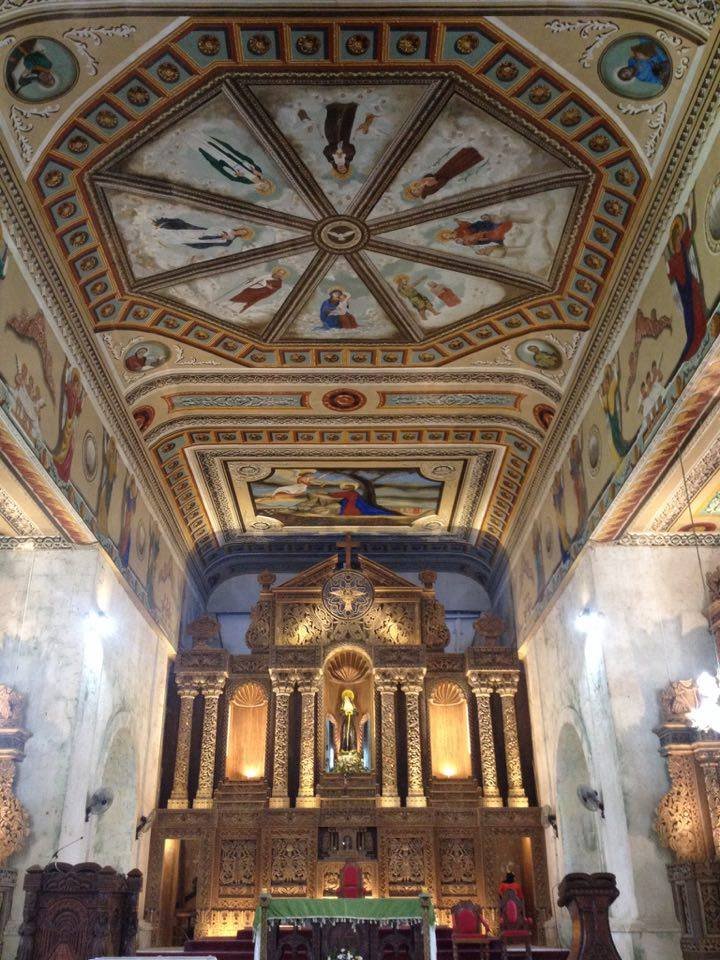
Sandugo celebrates the 1565 Blood Compact — one of the oldest alliances in Philippine history. If you want to go deeper into that story, a private heritage churches tour is the best way to see Baclayon Church, the Blood Compact Shrine, and Tagbilaran’s historic core in one day. Book a Bohol heritage churches tour on GetYourGuide and have a local guide bring the history to life.
Here is everything you need to plan your trip.
What Is Sandugo — and Why Does It Still Matter?
The word sandugo literally translates as “one blood” — sa meaning “one,” dugo meaning “blood.” It describes a centuries-old ritual in the Philippines where two parties sealed a bond by mixing drops of their blood with wine and drinking from the same cup. No contract could bind more firmly.
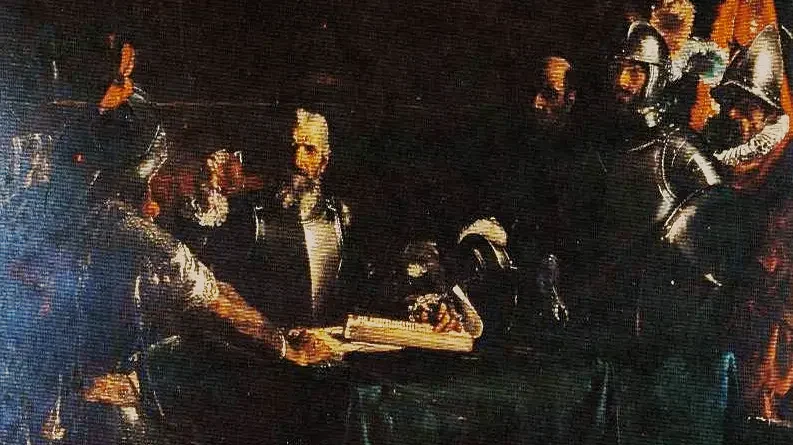
On March 16, 1565, Datu Sikatuna and Legazpi performed this ritual at a coastal village called Bool, just three kilometers from what is now Tagbilaran City. It was the first formal treaty of friendship between Filipino natives and Spanish colonizers — a rare moment of genuine cooperation in an era otherwise defined by conquest. Philippine historians often describe it as the country’s first act of international diplomacy.
The festival wasn’t always the grand celebration it is today. For years, it was observed quietly. It was Governor Constancio Chatto Torralba who transformed it into a major provincial event, championing Bohol’s pride in this historical moment and putting the province firmly on the national cultural map. His vision shaped the Sandugo celebrations we see today.
The festival now runs the entire month of July in Tagbilaran City, drawing Boholanos home from Manila, Cebu, and all over the world.
Sandugo Festival 2026: Expected Dates
The Sandugo Festival runs throughout July 2026, anchored to two fixed city holidays:
- July 1 — Tagbilaran City Charter Day
- July 22 — Bohol Day
The festival’s biggest events — the street dancing competition and the Blood Compact reenactment — are typically scheduled during the third week of July, around July 16–22. However, the exact 2026 program of events is released by the Tagbilaran City government in April or May 2026.
Tip: Follow the official Tagbilaran City Government social media pages and the Bohol Tourism Office for the confirmed dates. If you’re planning hotel bookings before the schedule drops, aim for July 14–23 — that window reliably captures the main events every year.
The Festival Events: What to Expect in 2026
Sandugo sa Dalan — The Street Dancing Competition
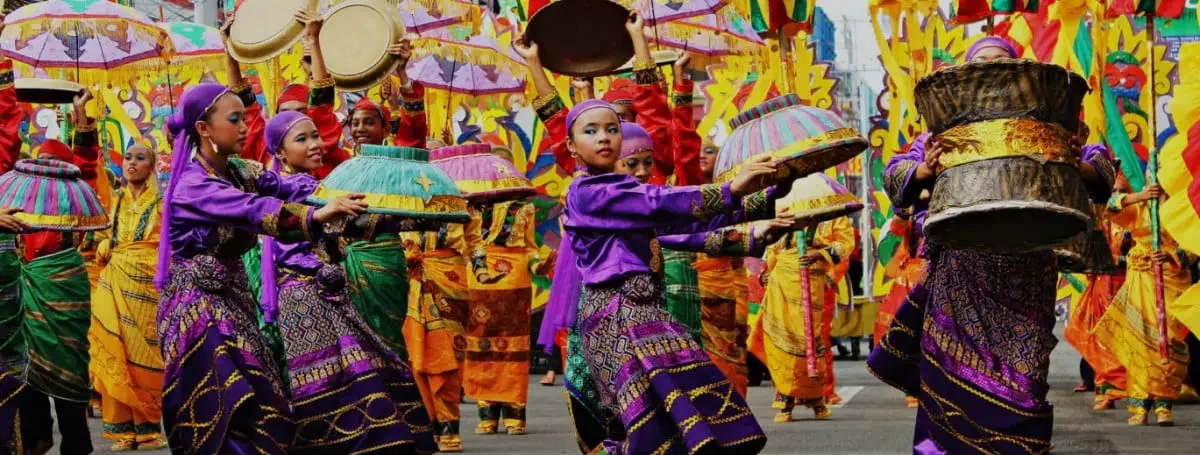
This is the one that stops traffic. Sandugo sa Dalan (meaning “Sandugo on the Street”) is a full street dancing competition held along Tagbilaran City’s main boulevard. Competing contingents from the city’s high schools, plus guest groups from other Bohol municipalities, perform choreographed routines in full costume.
The costumes are extraordinary — gilded armor, feathered headdresses, flowing fabrics in deep reds, gold, and green. The music is live: xylophones, drums, and trumpets playing original compositions. The movements are fast, sharp, and impossibly synchronized. Watching 200 teenagers move as one unit to percussion so loud you feel it in your chest is not something you forget easily.
Families line the boulevard for hours to claim a viewing spot. Parents livestream on their phones. Street vendors do very brisk business in cold drinks and grilled corn.
“We came all the way from Davao just for the street dancing — my husband thought I was being dramatic. By the third contingent, he was crying. We’ll be back next year.”
— Maricel R., Davao City ⭐⭐⭐⭐⭐
The Blood Compact Reenactment
Held at or near the Blood Compact Shrine in Barangay Bool, the reenactment brings the 1565 ceremony to life with costumed actors representing Datu Sikatuna, Miguel López de Legazpi, and their respective attendants. It is a solemn and theatrical event — part cultural pageant, part civic remembrance — with the Bohol Sea as its backdrop.
The shrine itself is worth a dedicated visit even outside of festival week. The centerpiece is a bronze sculpture created by Napoleon Abueva, born January 26, 1930, in Tagbilaran — hailed as the “Father of Modern Philippine Sculpture” and a National Artist of the Philippines. The sculpture depicts five life-sized figures gathered around a table, Legazpi and Sikatuna at the center, cups raised. The craftsmanship is remarkable, and the site’s elevated dais frames the sea behind the figures in a way that gives the whole scene a quiet grandeur.
The shrine is about 3 km from the Tagbilaran City center — a short tricycle ride along the Carlos P. Garcia circumferential road.
Trade-Agri Food Fair
One of the most underrated parts of Sandugo. Producers and entrepreneurs from across Bohol set up booths at the Trade-Agri Food Fair, showcasing local food products, handicrafts, agricultural goods, and new inventions. Think peanut kisses from Tagbilaran, calamay from Jagna, purple yam (ube) products from Dauis, and Antequera baskets — all in one place. If you’re the type who brings pasalubong (gifts from your travels) home to everyone, budget extra time here.
Miss Bohol Sandugo Pageant
The beauty pageant is a serious cultural event. Winning the Miss Bohol Sandugo title is one of the most coveted honors in the province. The pageant night draws large crowds and is typically held midweek during the festival. The winner and her court ride on elaborately decorated floats during the street parade.
Nightly Entertainment and Cultural Shows
Every evening throughout festival week, free cultural performances run in and around the city — folk dances, live music, OPM concerts, and community cultural presentations. The city’s parks and public plazas become open-air stages. During this period, malls, department stores, and commercial establishments across Tagbilaran deck themselves out in vibrant decorations, adding to the festive energy everywhere you go.
Tigum Bol-anon Tibuok Kalibutan (TBTK)
Tigum means gathering. Bol-anon means Boholano. Tibuok kalibutan means “the whole world.” The TBTK is the annual homecoming of Boholanos living overseas and in other parts of the Philippines — and it intentionally coincides with Sandugo. Families who have members working in Manila, aboard cruise ships, or based in other countries plan their reunions around this month. The festival is as much a homecoming as it is a celebration.
Fireworks
On key evenings during the festival — typically on Tagbilaran Charter Day (July 1) and around Bohol Day (July 22) — fireworks displays light up the sky over the Bohol Sea from the city’s waterfront. The seawall area and the boulevard near the Blood Compact Shrine offer good views.
Getting to Tagbilaran City for Sandugo 2026
The simplest and most popular route is the fast ferry from Cebu City.
Cebu City → Tagbilaran: The crossing takes approximately 2 hours over about 72 km of Bohol Sea. Multiple operators run daily departures: OceanJet, SuperCat, and FastCat are the most frequent. Tourist class fares run approximately ₱400–₱700 depending on operator and time of booking. Ferries depart from various Cebu City piers (Pier 1 for OceanJet and SuperCat; Pier 4 for FastCat) and arrive at Tagbilaran ICM Port — right in the heart of the city.
Book your ferry early. During Sandugo week, boats fill up. Two to four weeks in advance is the minimum; a month ahead is safer.
Most festival-goers arrive from Cebu. Book your Cebu to Bohol ferry on 12Go — you can compare schedules, lock in your seat ahead of the July rush, and skip the pier queue. Ferries fill fast during Sandugo week, so don’t leave this to the last minute.
Where to Stay in Tagbilaran for Sandugo Week
Stay in Tagbilaran City — not in Panglao, not in Loboc. During Sandugo week, the city is the center of everything, and walking distance to the parade route matters. Most of the main events happen on and around CPG Avenue and the city plaza. Hotels within 500 meters of the ICM Port or the plaza are ideal.
Book now, not later. July is wet season, but Sandugo is the exception to every rule about off-peak rates. Hotel rooms in Tagbilaran sell out weeks — sometimes months — in advance during festival week.
“I thought July would be easy to book because it’s rainy season. I was so wrong. I ended up staying 20 minutes outside the city because all the central hotels were full. Book early!”
— Jason M., solo traveler from Manila ⭐⭐⭐⭐
Compare Tagbilaran City hotels on Booking.com — filter by free cancellation and proximity to the Tagbilaran City Plaza, which is the heart of the Sandugo street dancing route.
Also check Agoda for Tagbilaran — smaller guesthouses and budget properties often show better rates there during July festival season.
Practical Tips for Sandugo Festival 2026
Weather: July is habagat (southwest monsoon) season. Expect hot and humid days with afternoon or evening rain showers. Temperatures hover around 28–32°C. A light rain jacket or compact umbrella is essential — not optional.
What to bring:
- Cash (Philippine pesos). Street vendors and many fair stalls are cash-only.
- A refillable water bottle. The crowd is dense and the heat is real.
- Sunscreen for morning street events.
- Comfortable, closed-toe shoes — you’ll be standing for hours on asphalt.
- A small portable charger. Your phone camera will run out of battery mid-contingent.
Best viewing position: Arrive at least 90 minutes before the street dancing start time to claim a sidewalk spot along CPG Avenue. The contingents move slowly down the boulevard, so you’ll see each group up close. Elevated viewing (balconies of hotels along the route, or bleacher sections if set up) books out fast.
Getting around Tagbilaran: Tricycles are everywhere and affordable — ₱10–₱30 per person for trips within the city. For the Blood Compact Shrine (Barangay Bool), expect ₱30–₱50 for a point-to-point tricycle ride from downtown. During festival week, habal-habal (motorcycle taxis) are also common.
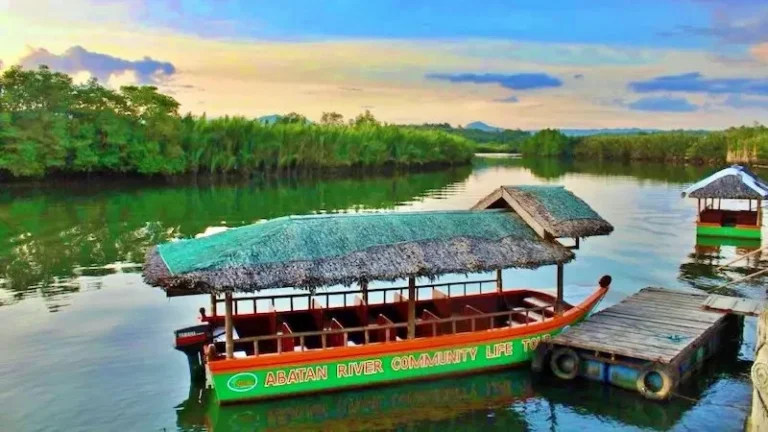
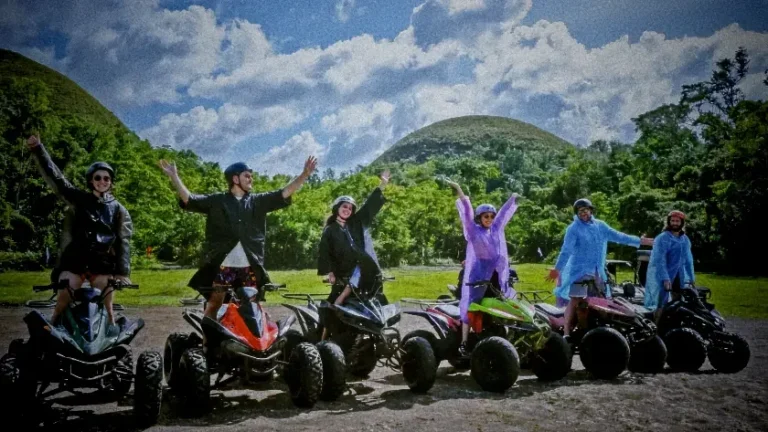
Extend your stay: Give yourself at least 3–5 days. Add a morning at the Chocolate Hills, an afternoon at Alona Beach on Panglao Island, and a Loboc River cruise — all are easily done as day trips from your Tagbilaran base.
“We did Sandugo street dancing on Day 1, Chocolate Hills on Day 2, and Alona Beach on Day 3. Perfect combination. Bohol did not disappoint.”
— Sophia & Tom, couple from Singapore ⭐⭐⭐⭐⭐
Frequently Asked Questions: Sandugo Festival Bohol 2026
1. When exactly is Sandugo Festival 2026?
The festival runs throughout July 2026, with the biggest events — the Sandugo sa Dalan street dancing and the Blood Compact reenactment — typically scheduled in the third week of July (around July 16–22). The official program is released by the Tagbilaran City government in April or May. For the latest confirmed dates, follow Tagbilaran City’s official social media pages or the Bohol Tourism Office website.
2. What does “Sandugo” mean?
Sandugo is a Visayan word meaning “one blood.” It refers to the blood compact ritual performed on March 16, 1565, between Datu Sikatuna of Bohol and Spanish explorer Miguel López de Legazpi — a ceremony in which both leaders drew blood from their arms, mixed it with wine, and drank it together to seal a friendship. It is recognized as the Philippines’ first treaty of international friendship.
3. How do I get to Tagbilaran City for the festival?
The standard route is the fast ferry from Cebu City to Tagbilaran’s ICM Port — about 2 hours, with operators including OceanJet, SuperCat, and FastCat. Fares range from ₱400–₱700 in tourist class. Book early — ferries fill up during Sandugo week. See our complete ferry guide.
4. Is the Sandugo Festival free to attend?
Yes — the street dancing parade, cultural shows, and outdoor events are all free to watch. Some specific shows (beauty pageant nights, select concerts) may have ticketed sections. The Trade-Agri Food Fair is free to enter.
5. Where should I stay for Sandugo Festival Bohol 2026?
Stay in Tagbilaran City center — as close to the CPG Avenue parade route as possible. Hotels near ICM Port and the city plaza are most convenient. Book 1–3 months in advance; rooms disappear fast. Browse Tagbilaran hotels.
6. What are the main events of the Sandugo Festival?
The key events are: Sandugo sa Dalan (street dancing competition), the Blood Compact reenactment at Bool, the Miss Bohol Sandugo beauty pageant, the Trade-Agri Food Fair, nightly entertainment and cultural shows, and fireworks. The TBTK (Tigum Bol-anon Tibuok Kalibutan) — the global gathering of Boholanos — also runs during this period.
7. Should I visit the Blood Compact Shrine?
Absolutely. The shrine in Barangay Bool is the historical foundation of the entire festival. The bronze sculpture by National Artist Napoleon Abueva is stunning, and the elevated site looks out over the Bohol Sea. It’s about 3 km from the city center — a short tricycle ride. Entry is free. Full guide to the Blood Compact Shrine.
8. Can I combine Sandugo with a Bohol countryside tour?
Yes — and it makes for an excellent trip. Use Tagbilaran City as your base and add day trips to the Chocolate Hills, the Tarsier Sanctuary, the Loboc River cruise, and Alona Beach. All are within 30–90 minutes of Tagbilaran. Browse Bohol day tours.
Start Planning Your Sandugo Trip
The Sandugo Festival Bohol 2026 is one of those events that earns its place on the calendar the moment you see it once. It is not just a parade — it is an entire province celebrating who it is, where it came from, and the people it has sent out into the world. Tagbilaran City comes alive in July in a way that no other time of year matches.
If you’re planning to visit Bohol this July, this is your week. Book your ferry early, lock in a city-center hotel, and give yourself a few days to absorb the festival and explore the island beyond it.
Book your Bohol countryside day tour for July — check availability on GetYourGuide
Find and reserve the best Tagbilaran hotel rates for Sandugo week on Booking.com or compare prices on Agoda
Support our site by booking through our trusted affiliate partners. When you use the links in this article, we earn a small commission at no additional cost to you. This helps us keep our content free and our guides updated for travelers visiting Bohol.
Frequently Asked Questions — Sandugo Festival Bohol 2026
When exactly is Sandugo Festival 2026?
The festival runs throughout July 2026, with the biggest events — the Sandugo sa Dalan street dancing and the Blood Compact reenactment — typically scheduled in the third week of July (around July 16–22). The official program is released by the Tagbilaran City government in April or May. For confirmed dates, follow Tagbilaran City’s official social media or the Bohol Tourism Office website.
What does “Sandugo” mean?
Sandugo is a Visayan word meaning “one blood.” It refers to the blood compact ritual performed on March 16, 1565, between Datu Sikatuna of Bohol and Spanish explorer Miguel López de Legazpi — a ceremony in which both leaders drew blood from their arms, mixed it with wine, and drank it together to seal a friendship. It is recognized as the Philippines’ first treaty of international friendship.
How do I get to Tagbilaran City for the festival?
The standard route is the fast ferry from Cebu City to Tagbilaran’s ICM Port — about 2 hours, with operators including OceanJet, SuperCat, and FastCat. Fares range from ₱400–₱700 in tourist class. Book early — ferries fill up during Sandugo week. Check our Cebu to Bohol ferry guide for detailed booking information.
Is the Sandugo Festival free to attend?
Yes — the street dancing parade, cultural shows, and outdoor events are all free to watch. Some specific shows like beauty pageant nights and select concerts may have ticketed sections, but the main Sandugo sa Dalan street dancing is entirely free to view from the boulevard.
Where should I stay for Sandugo Festival Bohol 2026?
Stay in Tagbilaran City center — as close to the CPG Avenue parade route as possible. Hotels near ICM Port and the city plaza are most convenient. Book 1–3 months in advance; rooms disappear fast during festival week. Check our Tagbilaran hotels guide for verified options.
What are the main events of the Sandugo Festival?
The key events are: Sandugo sa Dalan (street dancing competition), the Blood Compact reenactment at Bool, the Miss Bohol Sandugo beauty pageant, the Trade-Agri Food Fair, nightly entertainment and cultural shows, and fireworks on key evenings. The TBTK (Tigum Bol-anon Tibuok Kalibutan) — the global gathering of overseas Boholanos — also runs during this period.
Why should I visit the Blood Compact Shrine?
The shrine in Barangay Bool is the historical foundation of the entire festival. The bronze sculpture by National Artist Napoleon Abueva depicting the blood compact ceremony is stunning, and the elevated site looks out over the Bohol Sea. It’s about 3 km from the city center — a short tricycle ride. Entry is free, and it’s one of Bohol’s most distinctive colonial heritage sites.
Can I combine Sandugo with a Bohol countryside tour?
Yes — and it makes for an excellent trip. Use Tagbilaran City as your base and add day trips to the Chocolate Hills, the Tarsier Sanctuary, the Loboc River cruise, and Alona Beach. All are within 30–90 minutes of Tagbilaran. Browse our Bohol day tours for verified operators and itineraries that pair well with festival dates.
What should I bring to the street dancing?
Bring cash (Philippine pesos) — street vendors are mostly cash-only. Bring a refillable water bottle for the crowd and heat. Sunscreen for morning events is essential. Wear comfortable, closed-toe shoes since you’ll be standing for hours on asphalt. A small portable charger is useful to keep your phone camera running through multiple contingents.
What’s the weather like in Tagbilaran in July?
July is southwest monsoon season. Expect hot and humid days with afternoon or evening rain showers. Temperatures hover around 28–32°C. A light rain jacket or compact umbrella is essential — not optional. The rain typically comes in the late afternoon, after the main street events finish.
How early should I arrive to get a good viewing spot?
Arrive at least 90 minutes before the street dancing start time to claim a sidewalk spot along CPG Avenue. The contingents move slowly down the boulevard, so you’ll see each group up close. Elevated viewing from hotel balconies or bleacher sections books out fast, so reserve these weeks in advance if that’s your preference.
How do I get around Tagbilaran during the festival?
Tricycles are everywhere and affordable — ₱10–₱30 per person for trips within the city. For the Blood Compact Shrine in Barangay Bool, expect ₱30–₱50 for a tricycle ride from downtown. During festival week, habal-habal (motorcycle taxis) are also common and slightly cheaper for shorter distances.
Have more questions about travelling to Bohol? Visit our complete Bohol FAQ for answers to the most common questions travellers ask.