
Frequently Asked Questions
Here’s a list of frequently asked questions (FAQs) about our Bohol travel website. These questions cover a range of topics that you travelers might be interested in, helping you address common inquiries and providing opportunities to enjoy the best of Bohol offerings.
Bohol & Cebu Travel FAQ
Whether you’re dreaming about a Philippines trip or deep in planning mode, these are the questions travelers ask us most—answered with the specific details you actually need. Each section links to our deeper guides so you can go further whenever you’re ready.
Planning Your Bohol Trip
When is the best time to visit Bohol?
The dry season (Amihan) runs from November to April. This is when you get the most sunshine, calmest seas, and best conditions for diving and island hopping. December through February is peak season—expect higher prices and resorts filling up fast, especially over Christmas and Holy Week. April is excellent for beaches, though temperatures climb to 32–34°C.
The wet season (Habagat) runs May through October. This is not the experience-ruining scenario many travelers assume. Most rain falls as short afternoon showers rather than all-day downpours. The island turns a vivid green, prices drop considerably, and resorts have real availability. October and November are a sweet spot: the weather is improving, rates are still low, and Bohol feels unhurried and local.
March and April are the busiest weeks of the year due to Holy Week. If you’re visiting then, book accommodation and tours three to six months in advance.
→ See the Bohol Travel Guide for a month-by-month breakdown and seasonal tips.
How many days do I need in Bohol?
Four to five days covers the essentials for most first-time visitors: a countryside tour (Chocolate Hills, tarsiers, Loboc River), two beach days on Panglao, and one island hopping day. That pace leaves a little room to breathe without rushing.
Budget six to seven days if you want to reach Anda on the quieter east coast, do multiple dives, or slow down and stay in the countryside. Two to three days is possible but you’ll feel it—especially if you’re traveling from Manila and factoring in travel time.
Do I need travel insurance for the Philippines?
Yes, and we’d call it non-negotiable. Medical facilities outside Tagbilaran City are limited, emergency evacuation from a remote island is expensive, and water and outdoor activities carry real risk. A good policy covers emergency medical, evacuation, trip cancellation, and lost baggage.
→ Our Philippines Travel Insurance Guide covers the best options for every budget and explains what to look for in Philippines-specific coverage.
Do I need a visa to visit the Philippines?
Most nationalities—including most European, North American, Australian, and Southeast Asian passport holders—receive 30 days visa-free entry. You’ll need a passport valid for at least six months beyond your travel dates and a return or onward ticket. Extensions are available at Bureau of Immigration offices if you want to stay longer.
Always verify current requirements with the Philippine Bureau of Immigration before you travel, as visa policies can change without much notice.
Getting to Bohol
How do I get to Bohol from Manila?
Two options. The fastest is a direct flight to Bohol–Panglao International Airport (TAG), which takes about 1 hour 15 minutes. Cebu Pacific and Philippine Airlines both operate daily routes from Manila. Fares vary widely—booking two to three months ahead usually gets you the best prices.
The alternative is flying to Cebu (often cheaper, more flight options) and then taking the ferry to Bohol. Cebu is the major regional hub, so this route sometimes works out significantly cheaper, especially on budget airlines.
→ For full route and ticket information, see our Complete Transportation Guide.
How do I get from Cebu to Bohol by ferry?
This is the most popular route—and for good reason. Fast craft ferries cross from Pier 1 in Cebu City to Tagbilaran Port in about two hours, with multiple operators running daily departures. OceanJet, SuperCat, and FastCat all serve this route. Fares start from around ₱350–₱650 depending on the operator and seat class.
You can book online in advance (recommended during peak season) or buy at the pier on the day. The crossing itself is enjoyable—open decks offer good views of the Bohol Sea.
→ Full details on all operators, schedules, prices, and tips in our How to Get to Bohol by Ferry guide.
Can I fly directly to Bohol?
Yes. Bohol–Panglao International Airport (TAG) opened in 2018 and serves direct flights from Manila, Cebu, and a few other Philippine cities. International connections are currently limited, so most international travelers arrive via Manila or Cebu. The airport sits about 15–20 minutes by road from Alona Beach.
Getting Around Bohol
What’s the best way to get around Bohol?
A van with a driver is the gold standard for day trips—especially for the countryside tour or any multi-stop route. Most Bohol tour packages include transportation, which removes the navigation headache entirely.
Within towns, tricycles are ubiquitous and cheap for short hops. Independent travelers often rent motorbikes (₱300–₱500 per day) for maximum flexibility—ideal if you’re comfortable riding on rural roads. Habal-habal (motorbike taxis) are another option for quick point-to-point trips.
Grab works in Tagbilaran City but is unreliable in Panglao and absent in the countryside.
→ Full breakdown of costs, providers, and tips in our Getting Around Bohol guide.
How much does getting around cost?
Rough daily figures: tricycle rides within town cost ₱10–₱50. A full-day van tour with driver runs ₱3,000–₱5,000 total (split among your group). Motorbike rental: ₱300–₱500 per day. Island hopping boats are typically included in packaged tours (₱600–₱1,500 per person for organized day trips). Long-distance buses between Tagbilaran and the countryside are inexpensive—₱50–₱150 per person.
Top Experiences in Bohol
What are the must-do activities in Bohol?
Every first-time visitor should cover at least three of these: the Chocolate Hills, the tarsier sanctuary, and the Loboc River Cruise—together these form the classic Bohol countryside circuit. Add Alona Beach for swimming, diving, and nightlife, plus at least one day of island hopping to Balicasag Island for sea turtles and coral gardens.
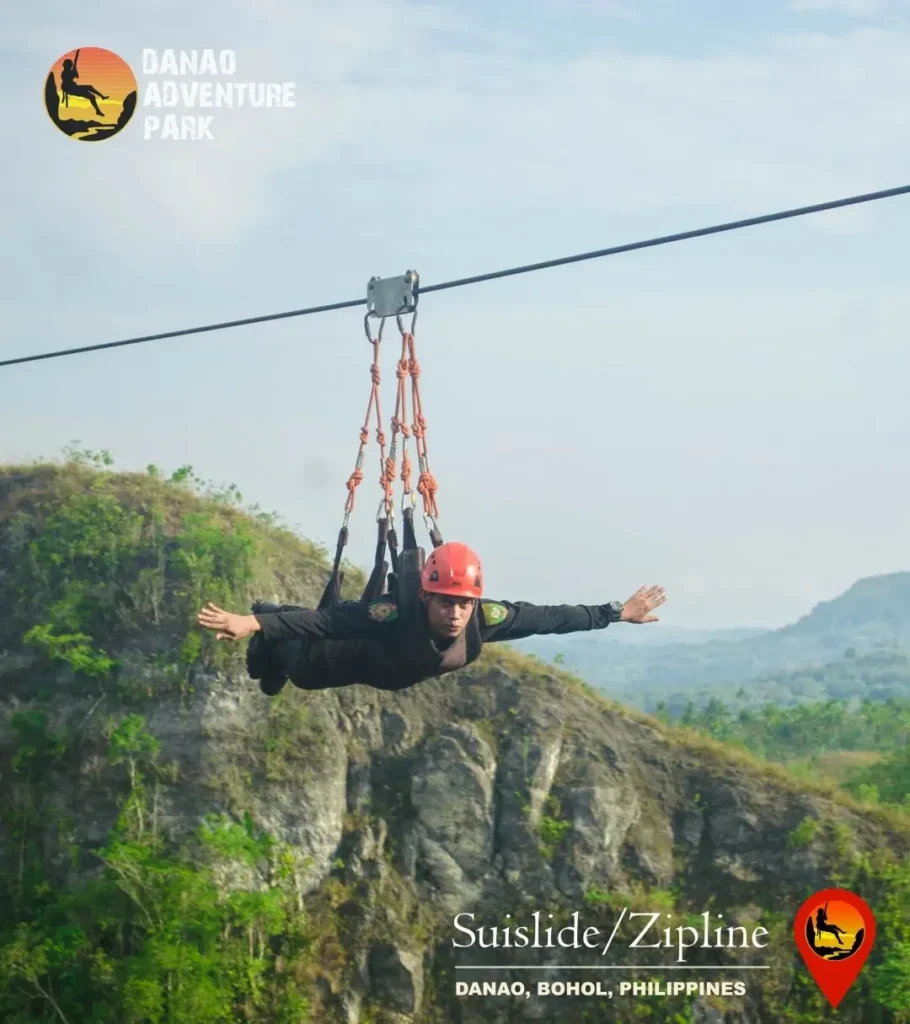
If you have extra time: Danao Adventure Park for serious thrills (zip lines, canyon activities, The Plunge), hidden waterfalls in the interior, or Anda’s hidden adventures on the east coast for uncrowded beaches and cave pools.
→ Browse the full 25 Must-Do Bohol Tours guide or our Bohol Tours hub for a complete activity index.
Book your Bohol adventure tours through GetYourGuide — instant confirmation and free cancellation on most tours.
What is the Chocolate Hills and how do I visit?
The Chocolate Hills are Bohol’s most iconic natural landmark—1,268+ perfectly cone-shaped limestone hills spread across 50 km² near Carmen town, about 55 km from Tagbilaran. They get their name from the dry season, when the grass covering each mound turns a rich brown. During the wet months they’re bright green, giving a completely different but equally striking view.
The main viewpoint is at the Chocolate Hills Complex in Carmen, which has an observation deck with panoramic views across the field. Most visitors combine it with a van tour of the Bohol countryside.
→ Our Chocolate Hills Tour Guide compares private tours, shared tours, and DIY options with full price breakdowns.
Where can I see tarsiers in Bohol?
The only ethical option is the Philippine Tarsier and Wildlife Sanctuary in Corella—a 134-hectare protected forest where tarsiers roam freely in their natural habitat. Visits are guided and quiet: no flash photography, no handling, no forcing animals to pose. The sanctuary is run by the Philippine Tarsier Foundation and is the model for responsible wildlife tourism in Bohol.
Avoid roadside tarsier exhibits where animals are tethered or kept in tiny enclosures. Tarsiers are among the world’s most stress-sensitive animals and captive handling harms them.
→ Our Tarsier Scientific Guide explains their biology, evolutionary history, and what makes Bohol’s sanctuary different.
Is the Loboc River Cruise worth it?
For most first-time visitors, yes. The floating restaurant cruise drifts through emerald jungle along the Loboc River for about 1.5–2 hours, with live Filipino folk music and a buffet of local dishes including fresh river prawns, grilled fish, and traditional rice preparations. It’s a relaxed cultural experience—more lunch with a view than an adventure activity.
It’s popular, especially with group tours, so book ahead during peak season.
→ Full logistics, what’s included, and best booking tips in our Loboc River Cruise Guide.
What’s the best island hopping tour from Bohol?
The classic route from Alona Beach combines Balicasag Island and Virgin Island. Balicasag is a protected marine sanctuary about 25–30 minutes by boat from Alona, famous for sea turtles, wall dives, and vibrant reef fish. Virgin Island is a sandbar that emerges from the sea at low tide—one of Bohol’s most photographed spots.
Some tours add Pamilacan Island for early-morning dolphin watching. Most organized tours include snorkeling gear, lunch, and a guide.
→ Compare tour options and rates in our Best Bohol Island Hopping Tours guide, and see Balicasag Island Tour Rates for detailed pricing.
Beaches and Water Activities
What are the best beaches in Bohol?
Alona Beach on Panglao Island is the most popular—1.5 km of white coral sand with easy access to dive shops, island hopping boats, restaurants, and nightlife. It’s busy and social. For quieter stretches, Anda beach areas on Bohol’s east coast has long, mostly empty beaches backed by coconut palms. Doljo Beach near Tagbilaran is shallow and calm—ideal for families with small children.
→ Full guide to all nine top beaches in our Most Spectacular Bohol Beaches article.
Is the diving in Bohol good?
Outstanding—particularly around Panglao and Balicasag Island. Balicasag is a marine sanctuary with wall dives dropping 40+ meters, resident sea turtles, white-tip reef sharks, barracuda, and some of the most vibrant coral in the Philippines. Alona Beach has approximately 20 dive sites within 30 minutes by boat. Visibility is typically 15–30 meters in good conditions, and water temperature holds at 27–29°C year-round.
Dive shops along Alona Beach cater to both certified divers and beginners doing their first discovery dive. Most offer PADI certification courses as well.
Can I go snorkeling without diving experience?
Absolutely. Island hopping tours provide snorkeling gear and life jackets, and many of the best spots—especially around Balicasag and Virgin Island—are shallow enough for non-swimmers. The reef areas off Alona Beach are also accessible for casual snorkeling from the shore. You don’t need any certification or prior experience.
Where to Stay in Bohol
Where should I stay in Bohol?
Your best base depends on your priorities:
- Beach, diving, and nightlife: Panglao Island and specifically Alona Beach hub—the resort hub with the most dining, tour access, and activity options.
- Countryside focus and heritage: Tagbilaran City—central, convenient for ferry connections and day trips inland.
- River, jungle, and eco-activities: Loboc—peaceful countryside setting near the river cruise, firefly tours, and SUP.
- Quiet beaches, off-the-beaten-path: the quiet Anda area—eastern Bohol’s alternative to Panglao, with far fewer crowds and beautiful cave pools.
What accommodation types are available in Bohol?
Bohol has the full range: world-class luxury resorts (The Bellevue, Amorita, South Palms), comfortable mid-range hotels, boutique and design properties, eco-resorts and farm stays (Bohol Bee Farm is a local institution), budget guesthouses, and backpacker hostels along Alona Beach. The island consistently punches above its weight in accommodation quality.
→ Explore the Bohol Hotels hub for guides organized by area, budget level, and travel style.
Compare Bohol hotel prices on Booking.com — most properties offer free cancellation and competitive rates. [INSERT BOOKING.COM TPO LINK]
Are there budget accommodation options in Bohol?
Yes. Alona Beach has several backpacker hostels with dorm beds, social areas, and good access to tours. Tagbilaran has affordable guesthouses for travelers passing through. Budget beach resorts exist in Anda and on the quieter parts of Panglao outside the main tourist strip.
→ See our Budget Bohol Hotels Guide for the best affordable options across the island.
Budget and Money
How much does a trip to Bohol cost per day?
A realistic daily budget breakdown by travel style:
Budget (₱1,500–₱3,000/day): Dorm bed or basic guesthouse, local meals at carinderia (neighborhood eateries), public tricycles, and one guided tour every couple of days.
Mid-range (₱4,000–₱8,000/day): Comfortable hotel or resort room, mix of local and tourist restaurants, van tours and organized day trips, island hopping once or twice.
Luxury (₱10,000+/day): Top-tier beachfront resort, private transfers, premium guided experiences, fine dining.
These figures are per person and don’t include your flights or ferry to Bohol. Activities are the biggest daily variable—a single island hopping tour or countryside tour adds ₱1,000–₱3,000 per person. For practical booking platforms that save money, see our Best Philippine Travel Apps guide.
Can I use credit cards in Bohol?
Major hotels and tourist restaurants in Panglao and Tagbilaran accept cards. Everything else—tricycles, street food, local markets, smaller guesthouses, and most tour payments—is cash only. ATMs are available in Tagbilaran City and a few spots on Panglao but can run out of cash during peak season. Carry enough pesos for the day, especially if you’re heading inland or to Anda where ATMs are scarce.
Food and Local Culture
What local food should I try in Bohol?
Start with kalamay—Bohol’s most famous pasalubong (take-home food gift), a sweet sticky rice cake cooked in coconut milk and brown sugar. It’s sold in distinctive clay pots across the province, most famously in Jagna. Peanut Kisses are the other must-buy: crunchy peanut cookies shaped loosely like the Chocolate Hills, available everywhere in Tagbilaran.
For meals: kinilaw (Filipino-style raw fish ceviche), sinuglaw (raw fish with grilled pork belly), fresh grilled seafood at beachfront spots, and anything from the Loboc River Cruise buffet. Coffee from Bohol’s highland farms is excellent and often sold at Bee Farm and local markets.
→ See our guide to Bohol Attractions for food, culture, and heritage stops across the province.
What language do people speak in Bohol?
The local language is Boholano, a dialect of Cebuano (also called Visayan). English is widely spoken across hotels, restaurants, and tour operations—you’ll have no trouble getting around. Filipino (Tagalog) is also understood, especially among younger locals.
A few Cebuano phrases go a long way: salamat (thank you), maayong adlaw (good day), pila ang presyo? (how much?). Locals genuinely appreciate the effort.
Safety in Bohol
Is Bohol safe for tourists?
Yes. Tourist areas in Bohol are generally very safe, and Boholanos are known throughout the Philippines for warmth and hospitality toward visitors. Petty crime against tourists is uncommon, but the usual common sense applies: don’t flash expensive gear, use your hotel safe for valuables, and be aware of your surroundings at night.
The biggest safety considerations involve water activities. Follow all operator instructions, wear your life jacket on boats, and never go snorkeling or swimming alone in open water. Renting a motorbike is convenient but requires confidence—some rural roads are rough and unmarked. Drive slowly, especially on mountain routes.
Adding Cebu to Your Trip
Should I combine Bohol and Cebu?
Most international visitors do—and it makes logistical sense. Cebu City is the regional transport hub you’ll likely pass through on the way in or out. A natural combination is 4–5 days in Bohol followed by 2–3 days in Cebu City, with optional day trips or island extensions.
From Cebu you can reach Oslob for whale shark snorkeling (3–4 hours south), Moalboal for sardine run diving, Kawasan Falls for canyoneering, and the beaches of Bantayan or Malapascua Island for a more extended trip.
What are the top things to do in Cebu?
Cebu spans history, adventure, and natural beauty in a compact region. In Cebu City: Magellan’s Cross, the Basilica del Santo Niño, and Colon Street (the oldest street in the Philippines). Beyond the city: whale shark swimming in Oslob, canyoneering at Kawasan Falls, diving with thresher sharks at Malapascua, and the immense Sinulog Festival every January—one of the Philippines’ biggest street celebrations with over two million attendees.
Cebu also claims the best lechon (whole roasted pig) in the country—don’t leave without trying it.
→ Explore the full Cebu Travel Guide for detailed destination coverage.
Still Have Bohol FAQ Questions?
This page covers the questions we hear most, but every trip is different. Browse our Travel Essentials hub for guides on insurance, apps, packing lists, and practical planning. Our Bohol trip planner is the best starting point for building a full itinerary, and our Things to Do hub has monthly guides for every time of year.
Got something we haven’t covered? Use the contact form below—we’re here to help.