
Where to Eat in Bohol: Best Restaurants, Food Tours & Local Dining Guide
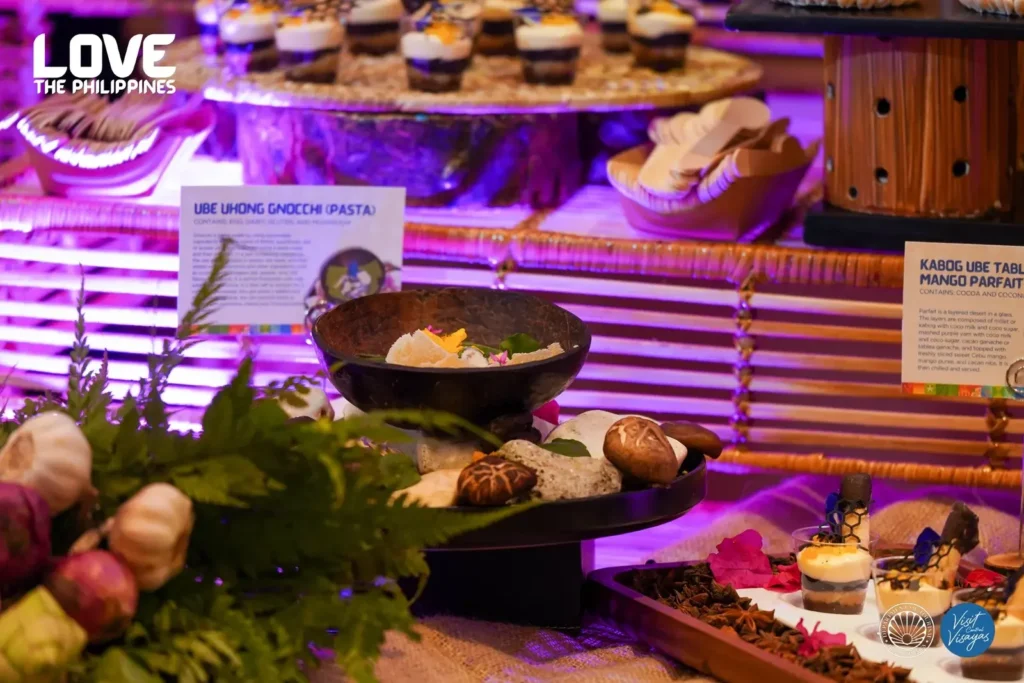
Picture yourself floating slowly down the Loboc River on a bamboo raft, a plate of kinilaw (fresh fish cured in coconut vinegar) in front of you, and a band playing Filipino folk songs just a few meters away. Then imagine sunset on Alona Beach — charcoal smoke curling up from grilled pusit (squid) stalls, the smell of garlic rice filling the warm air. Or picture yourself at the Jagna public market, handed a small pack of kalamay (sticky rice cake cooked inside a coconut shell) by an auntie who has been making the same recipe for thirty years.
Knowing where to eat in Bohol makes your whole trip better. This Bohol food guide covers every type of dining experience on the island — from beachfront grills and farm-to-table restaurants to floating buffet cruises and street food markets.
Book your Bohol Countryside Tour with Loboc River buffet on GetYourGuide
Here is everything you need to plan your meals in Bohol, organized by experience type, location, and budget.
The Best Dining Experiences in Bohol (Quick Picks by Category)
Bohol’s food scene breaks down into four main categories. Each one gives you a different side of what it feels like to eat on this island.
Beachfront Dining is the most popular choice for visitors staying in Panglao. You get fresh seafood, open-air tables on white sand, and that classic tropical holiday feeling. Alona Beach has the highest concentration of restaurants — walk the 1.5 km stretch in southwestern Panglao and you will find everything from simple budget Filipino food to mid-range seafood grills with sunset views.
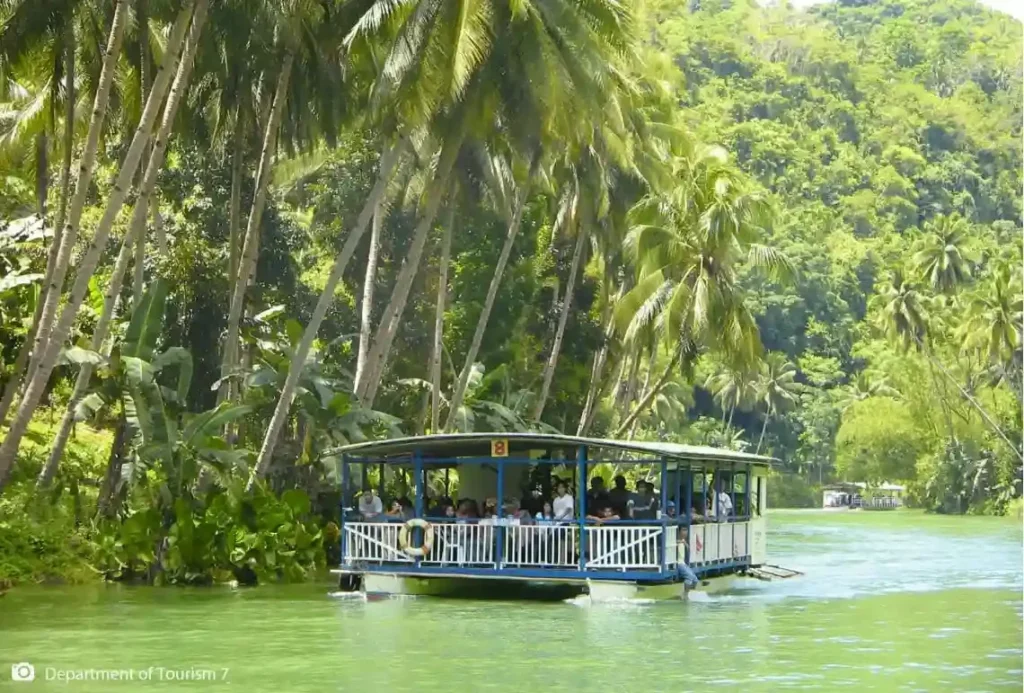
Loboc River Cruise Dining is the most unique meal you can have in Bohol. You eat on a floating bamboo raft while slowly cruising the emerald-green river, with live music and folk dance performances on board. It is part cultural experience, part buffet lunch — and almost every visitor who does it calls it a trip highlight. Exploring Loboc River: Bohol’s Emerald Jewel
Farm & Organic Dining has grown into one of Bohol’s most interesting food categories. Restaurants like Bohol Bee Farm in Panglao serve organic meals from ingredients grown on-site — bee pollen salads, garden herbs, fresh vegetables — in a beautiful coastal garden setting. Eco-Resorts and Farm Stays in Bohol
Street Food & Markets is where you find the most authentic Bohol food experience. Local markets in Tagbilaran, Jagna, and along the countryside roads sell kalamay, peanut kisses, bibingka (native rice cake), and grilled isaw (chicken intestines) for just a few pesos. These are the flavors you will not find in a resort restaurant.
For the full picture of what to see and do on the island beyond eating, check our complete Bohol Travel Guide.
Best Restaurants in Panglao Island
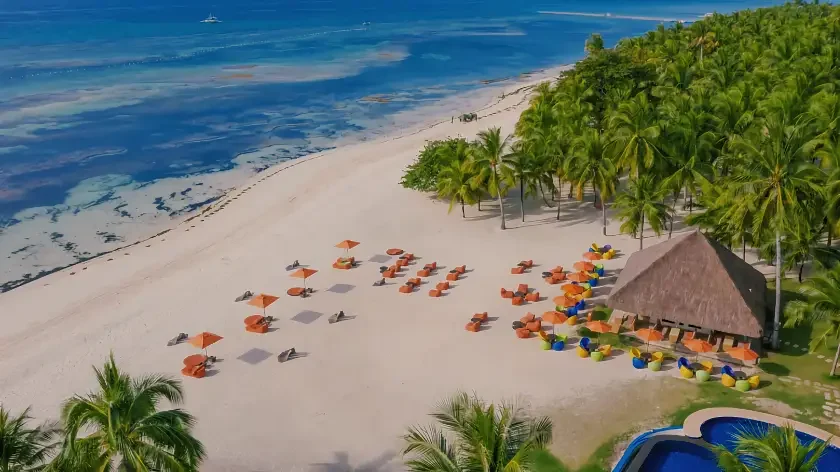
Panglao Island — 91.12 km² and connected to mainland Bohol by two bridges — is where most international visitors base themselves. And for food, the concentration of restaurants here is the best in Bohol.
Alona Beach is the main restaurant strip. Walk the 1.5 km stretch and you will pass dozens of options. Budget turo-turo (point-point cafeterias where you choose from pre-cooked dishes) start from approximately ₱80–150 per meal. Mid-range seafood restaurants — where you pick your fish from a live tank and have it grilled, steamed, or simmered in coconut milk — run from approximately ₱300–600 per person. Romantic beachfront options go up to ₱800 or more. For a full guide to everything Alona Beach offers beyond just dining — beaches, dive shops, island hopping, and nightlife — see our Alona Beach guide.
For couples, sunset is the prime time to dine in Panglao. Several restaurants position tables at the water’s edge, and with the right timing, you get one of the most dramatic dinner backdrops in the Philippines. Romantic Hotels and Resorts for Couples in Bohol For where to stay near all these options, see Best Alona Beach Hotels.
“The seafood at Alona was the freshest we’d ever had. Three types of fish and a huge plate of prawns for under ₱800 for two — unbelievable value for a beachside dinner.” – Marco T., Milan ⭐⭐⭐⭐⭐
Loboc River Dining: The Most Unique Meal in Bohol
You can have a perfectly good meal anywhere in Bohol. But you can only eat a buffet lunch while floating down the Loboc River in one place on earth.
The Loboc River floating restaurant is a fleet of bamboo raft-style boats that depart from the Loboc Bridge area. Each raft carries a full spread of Filipino dishes — steamed rice, grilled pork, sautéed vegetables, fresh fish, and local desserts. A live band plays traditional songs while the raft drifts through jungle-lined riverbanks. Some boats include folk dance performances — a touch of cultural warmth that makes the whole experience feel genuine. Loboc River Cruise Guide 2026
The cruise runs about 45 minutes to one hour and is almost always part of a Bohol countryside tour that also covers the Chocolate Hills and the Philippine Tarsier Sanctuary. Bundled tour pricing starts from approximately ₱1,500–2,500 per person. A standalone visit to the floating restaurant starts from approximately ₱350–500.
During Holy Week (March/April), book at least one to two weeks in advance. The river is most lush and scenic during the wet season (habagat, May–October) when the jungle turns deepest green. Best Bohol River Cruise & Eco-Tours
“The river cruise was magical — floating through the jungle, eating fresh Filipino food, live music playing while the trees close in above you. Honestly one of the best lunches of my life.” – Sophie R., Singapore ⭐⭐⭐⭐⭐
For a more exclusive experience, Reserve your private Loboc River cultural tour through Viator — a private boat, curated cultural stops, and a seated buffet lunch just for your group.
For more on the Loboc area and where to stay nearby, see Loboc River Hotels for SUP, Cruises, and Nature Tours. If you want to pair the river experience with a broader cultural itinerary, Famous Cultural Spots in Bohol Tour covers the full one-day circuit.
Local Boholano Food You Must Try
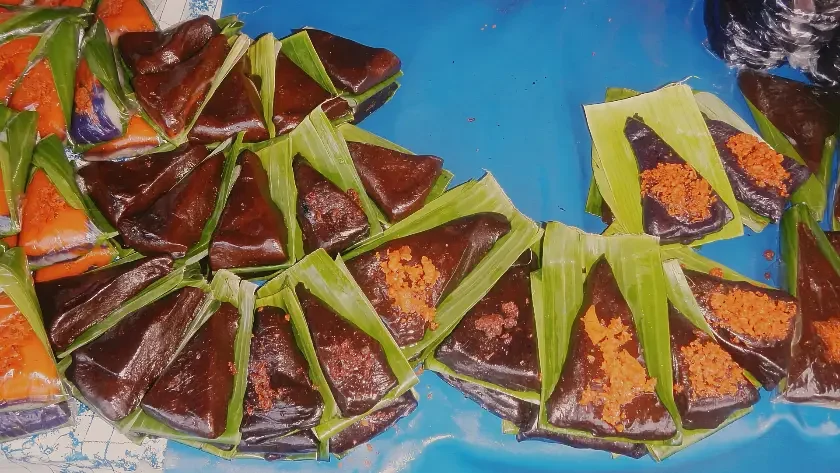
Bohol has its own food culture that goes well beyond what you find at tourist-facing restaurants. If you only eat at beachside grills, you will miss the most interesting flavors on the island.
Here is what to look for and where to find it:
- Kalamay — Bohol’s most famous delicacy. A sticky rice cake made from glutinous rice, coconut milk, and brown sugar, sold inside a coconut shell. Jagna, on the southern coast, is the kalamay capital of Bohol. Find it at the Jagna public market or at roadside stalls on your countryside tour route. Bohol Kalamay Guide
- Peanut Kisses — Small cone-shaped peanut cookies, the most popular pasalubong (souvenir food) from Bohol. You will find them in almost every souvenir shop in Tagbilaran and Panglao. Bohol Peanut Kisses Guide
- Kinilaw — The Bohol version of ceviche. Fresh fish or seafood “cooked” in coconut vinegar (sukang tuba), mixed with ginger, onion, chili, and coconut cream. Every seafood restaurant on Alona Beach makes one. Order it as your starter.
- Grilled Pusit — Whole squid stuffed with tomato, onion, and local spices, then charcoal-grilled. This is a staple of Bohol’s beachside food scene. You can smell it from half a block away.
- Puso — Pressed rice cooked inside a woven palm leaf packet. This is the local rice serving at street food stalls and public markets. One puso costs around ₱5–10 and pairs perfectly with grilled fish or isaw.
- Lechon — Whole roast pig, the centerpiece of Filipino celebrations. Good servings turn up at the Tagbilaran City public market. During Bohol’s fiestas and festivals, lechon appears everywhere. Best Bohol Festivals and Fiestas
- Boodle Fight — A traditional Filipino communal feast where rice and dishes are spread on banana leaves. Everyone eats with their hands. Some tour operators now include a boodle fight lunch as part of day tour packages. Book a Bohol tour with boodle fight lunch on Viator.
For the complete guide to Bohol’s food culture and the best places to buy pasalubong, visit Bohol Delicacies: Must-Have Treats and Pasalubongs and Bohol Shopping Guide.
Farm-to-Table & Eco Dining in Bohol
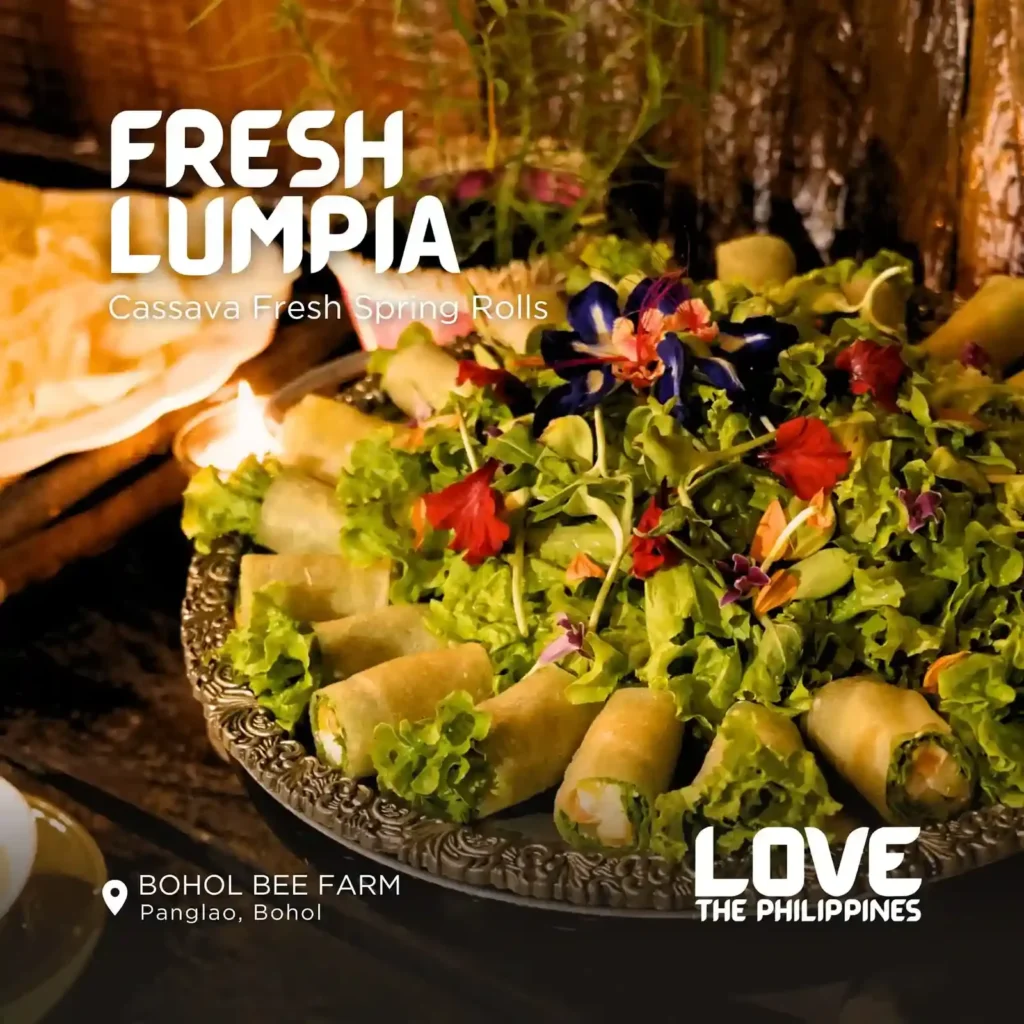
One of the most talked-about dining experiences in Bohol is not on the beach. It is on a farm.
Bohol Bee Farm in Panglao is the island’s most famous eco-dining destination. The restaurant sits inside a working organic farm on the coastal cliffs, and nearly everything on the menu is grown on-site — bee pollen salad, malunggay (moringa) soup, homemade bread, fresh honey desserts. The setting is a beautiful outdoor garden with sea views. Expect to pay from approximately ₱350–700 per person. Reservations are strongly recommended during dry season (November–April).
Book the Panglao Island Tour with Bohol Bee Farm Lunch on Klook
Several eco-resorts along the Loboc River and in the countryside also offer farm-to-table meals as part of their stay, with vegetable gardens, fruit orchards, and native Bohol cooking demonstrations. Sustainable farm stays near Loboc For something more hands-on, a chocolate-making tour takes you through cacao farming and tableya (local chocolate drink) production — a genuinely fun food experience.
Book the Bohol Chocolate Making and Farm Tour on Viator
“Bohol Bee Farm was the highlight of our Panglao day. The food was so fresh and light, the garden was beautiful, and the setting above the sea is something we still talk about.” – Leanne T., Melbourne ⭐⭐⭐⭐⭐
Where to Eat by Location in Bohol
[Image alt: Bohol dining by location — restaurants in Panglao Alona Beach, Tagbilaran City market, Loboc riverside café, and Anda beach grill]
Not everyone stays in Panglao. Here is a quick breakdown of the best dining by area across Bohol’s 4,821 km² of coastline, countryside, and towns.
Panglao / Alona Beach — The widest selection on the island. Budget turo-turo, mid-range seafood grills, beachfront restaurants, and international options (Italian, Korean, French). Best for variety and convenience.
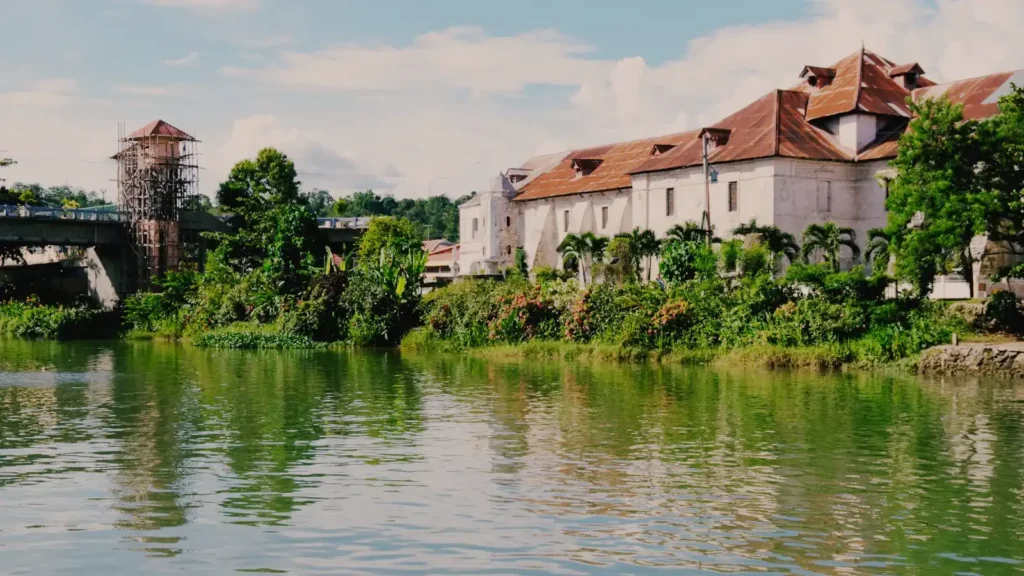
Tagbilaran City — The most local and budget-friendly option. The wet market area has the best value meals in Bohol — arroz caldo (rice porridge), fresh-caught fish, local kakanin (native rice cakes), and Filipino lunch sets from approximately ₱100–200 per meal. Exploring Bohol’s Historical Sites and Cultural Attractions adds useful context on the city’s heritage food culture.
Loboc / Inland Bohol — The floating restaurants are the anchor, but the inland area also has roadside eateries serving home-style Bohol cooking: kamote (sweet potato) leaves, fresh river fish, coconut stews. Worth a merienda (afternoon snack) stop on your countryside route. Bohol Countryside Tour Guide
Anda (East Coast) — Simple restaurants near the beach with basic Filipino food and fresh seafood at very low prices. Not a fine dining destination, but after a morning at the cave pools, grilled fish and cold buko (coconut) juice is exactly right. Bohol Geography & Maps for Travelers
For multi-island travelers combining Bohol with Cebu, Top Cebu Food Tours covers Cebu’s dining scene for the other side of the trip.
Bohol Food Tours You Can Book Today
[Image alt: Bohol food tour — guided culinary experience with local market visit and Loboc River buffet dining Bohol Philippines]
Bohol’s food scene is best experienced with a local guide who knows where the good spots actually are — not just the tourist-facing options. Here are the bookable experiences worth considering. Browse the full collection of Bohol tours and activities for options beyond food experiences, including island hopping, adventure, and multi-day packages.
Loboc River Buffet Cruise — The most-booked dining experience in Bohol. Most visitors combine it with the Chocolate Hills and the Philippine Tarsier Sanctuary as a full countryside day out. This is the most efficient way to tick off Bohol’s landmark meal in one seamless tour.
Book the Bohol Countryside Tour with Loboc River Cruise on GetYourGuide
Guided Bohol Food Tour — Start with a local buffet dinner on the river then glide through a mangrove river at night, surrounded by glowing fireflies. Enjoy a calm, nature experience, with hotel pickup included.
Bohol: Dinner Buffet & Firefly Experience with Pickup
Panglao Island Tour with Bohol Bee Farm Lunch — Combine the best of Panglao’s farm dining with a full island day. The Klook package includes Bohol Bee Farm lunch as part of a Panglao Island itinerary.
Book the Panglao Island Tour with Bohol Bee Farm Lunch on Klook
Private Farm Dining Experience — Prefer a private experience? A curated farm-to-table day just for your group — no shared tour buses, no fixed group pace.
Waterfalls Tour with Boodle Fight Lunch in Bohol — Explore the natural wonders of Bohol like waterfalls, rice terraces, and a beach with this private day tour to Pangas or Candijay.
Book the Waterfalls Tour with Lunch
For more things to do in Bohol alongside your dining experiences, browse 25 Must-Do Bohol Tours and Best Bohol Family Tours.
Practical Dining Tips for Bohol
[Image alt: practical dining tips Bohol — street food market stalls in Tagbilaran and outdoor beachfront restaurant price guide Philippines]
A few things to know before you sit down to eat in Bohol:
Price Ranges
Budget street food and turo-turo: from approximately ₱80–200 per meal. Mid-range seafood restaurant in Alona: from approximately ₱300–600 per person. Full dinner at a resort restaurant or upscale beachfront option in Panglao: from approximately ₱700–1,500 per person. The Loboc River cruise meal, booked standalone, starts from approximately ₱350–500.
Cash Is King at Local Spots
Most street food stalls, public markets, and smaller restaurants in Bohol do not accept cards. Bring cash — Philippine pesos in smaller bills (₱100 and ₱50 notes). ATMs are available in Tagbilaran City and Panglao, but bring enough before heading to Anda or the inland countryside where ATMs are scarce. Philippine Peso Guide for Travelers
Best Times to Eat Out
Sunset is the prime time for beachfront dining in Panglao — from about 5:00–6:30 PM. Restaurants fill up fast during peak season (December–April). For the Loboc River cruise, most boats depart between 11:00 AM and 2:00 PM as a lunch experience. Arrive early or book in advance.
Reservations
At popular spots like Bohol Bee Farm, book ahead during dry season. For the Loboc River cruise, a day in advance is usually enough outside of Holy Week. During Holy Week (March/April), book one to two weeks ahead. 77 Epic Things to Do in Bohol
Tipping
Tipping is not required but appreciated. Around ₱50–100 per table at a mid-range restaurant is normal. At beach barbecue stalls, rounding up the bill is common. On the Loboc River, the live musicians typically welcome small tips.
Seasonal Dining Highlights
During the dry season (amihan, November–April), sunset dining at Alona Beach is at its best — warm evenings, calm sea, and long golden hours that make outdoor tables feel special. During Sandugo Festival in July, Tagbilaran City’s streets come alive with street food stalls, grilled meats, and kakanin vendors. It is the best time to experience Bohol street food culture at its most vibrant.
During the wet season (habagat, May–October), eating in Bohol is just as enjoyable. Cozy indoor farm restaurants, river-view cafes, and the Loboc River cruise feel even more atmospheric when the jungle is at its deepest green — and prices at beachfront restaurants drop noticeably. Bohol’s festival and fiesta calendar
The Joys of Dining
Bohol’s dining scene is one of the most underrated joys of visiting this island. From the iconic floating buffet on the Loboc River to the organic garden meals at Bohol Bee Farm, from fresh kinilaw at a Panglao beach grill to kalamay wrapped in coconut shell at the Jagna market — knowing where to eat in Bohol turns a good trip into a great one.
Start with the experience you most want: a beachside dinner at Alona, a floating lunch on the river, or a guided culinary tour with a local expert. Let the other meals find you as you move around the island.
Where you stay shapes where you eat. Compare beachfront hotels in Panglao on Booking.com to find resorts with in-house restaurants, sunset dining terraces, and easy access to Alona Beach’s food strip. Or Find Panglao hotels with dining on Agoda — useful for comparing Asian loyalty rates and Agoda deals on the same properties.
For more ways to experience Bohol beyond the plate, see Top 10 Bohol Romantic Tours and our complete Bohol island guide.
Support our site by booking through our trusted affiliate partners. These links help us keep our content free while ensuring you get the best travel deals!
FAQ — Where to Eat in Bohol
1. What is the most famous dining experience in Bohol?
The Loboc River floating restaurant buffet is Bohol’s most iconic meal. You eat a Filipino buffet on a bamboo raft cruising slowly down the emerald Loboc River, with live music and cultural performances on board. Most visitors book it as part of a Bohol Countryside Tour that also includes the Chocolate Hills and the Philippine Tarsier Sanctuary. See our Loboc River cruise planning guide for everything you need to know.
2. Is Alona Beach a good place to eat in Bohol?
Yes. Alona Beach’s 1.5 km strip in southwestern Panglao has the widest variety of restaurants in Bohol — budget turo-turo from approximately ₱80–200 per meal, mid-range seafood grills from approximately ₱300–600 per person, and beachfront sunset dinner options at higher price points. The quality and variety make it the easiest area to eat well without planning too far ahead.
3. How much does the Loboc River buffet cruise cost?
As part of a bundled countryside day tour, the Loboc River cruise costs from approximately ₱1,500–2,500 per person. A standalone visit to the floating restaurant starts from approximately ₱350–500. Private tour versions cost more but give your group full use of the boat and a more exclusive experience.
4. Where can I try authentic local Bohol food?
The best places are the Jagna public market (kalamay), the Tagbilaran City wet market (lechon, kakanin, fresh fish), and the smaller roadside eateries on the countryside route between Tagbilaran and Carmen. Don’t skip the street food stalls at local fiestas either — these are where the most genuine versions of Bohol dishes turn up.
5. Is Bohol Bee Farm worth it for lunch?
Yes, especially for foodies and couples. The organic garden setting, the fresh on-site ingredients, and the quality of the food make it stand out from typical tourist restaurants. Expect to pay from approximately ₱350–700 per person. Reservations are strongly advised during peak season (December–April) as it fills up fast. The Klook Panglao Island Tour with Bee Farm Lunch is a convenient way to include it in a full day out.
6. Are there food tours available in Bohol?
Yes. Guided culinary and food tours in Bohol are available through GetYourGuide, Klook, and Viator. These range from group food tours covering local markets and street food to private farm-to-table experiences for couples and small groups. The Panglao Island Tour with Bohol Bee Farm Lunch on Klook is the most popular bookable food experience currently available.
7. What is kalamay and where do I buy it in Bohol?
Kalamay is a sweet, sticky rice cake made from glutinous rice, coconut milk, and brown sugar — Bohol’s most famous food souvenir. The best place to buy it is in Jagna, on Bohol’s southern coast. You can also find it at souvenir shops in Tagbilaran City and Panglao. Our guide to buying kalamay in Bohol has the full guide, including which producers make the best version.
8. Do restaurants in Bohol accept credit cards?
Larger resort restaurants and mid-range restaurants in Panglao and Tagbilaran City generally accept credit or debit cards. Street food stalls, public markets, smaller turo-turo eateries, and roadside vendors are cash-only. Always carry Philippine pesos when heading away from central Panglao or Tagbilaran. See our Philippine peso guide for currency tips.
9. When is the best time to eat out in Bohol?
Any time of year is good. Dry season (amihan, November–April) is peak season for beachfront dining and sunset dinners on Alona Beach. Wet season (habagat, May–October) is ideal for cozy farm-to-table experiences, river-view cafes, and the Loboc River cruise when the jungle is at its greenest. During Sandugo Festival in July, street food culture in Tagbilaran is at its most vibrant. Sandugo Festival and fiesta guide
10. Is Bohol street food safe to eat?
Yes, Bohol’s street food is generally safe for travelers who take basic precautions. Stick to cooked food from busy stalls with visible turnover. Avoid pre-cut fruit in non-refrigerated settings. Kalamay in sealed coconut shells, grilled isaw, puso, and cooked market dishes are all widely eaten by locals and visitors alike without issue.
11. Are there romantic dining options in Bohol?
Yes. Panglao has several beachfront restaurants designed for couples — sunset tables right on the sand, candlelit dinners, and seafood menus with great atmosphere. Bohol Bee Farm also offers a beautiful outdoor garden setting that works well for a romantic lunch. For a full list of couple-friendly dining and experience options, see romantic tour options in Bohol and Bohol’s best romantic resorts.
12. How does Bohol’s food scene compare to Cebu’s?
Bohol’s dining scene is smaller and more nature-focused than Cebu’s urban restaurant culture. Bohol excels at unique experiences — the river cruise, the Bee Farm, fresh seafood on quiet beaches. Cebu has a larger city food scene with more international variety. If you are visiting both islands, Cebu food and dining tours covers how to eat your way through Cebu on the other side of your trip.